Last updated on 2025-08-28















Program overview
The Master of Applied Psychology, Research and Evaluation (MAPRE) program is designed for individuals interested in developing essential research skills to tackle real-world questions across various applied settings. This program emphasizes a hands-on, experiential learning approach, allowing students to integrate theoretical knowledge with practical experiences. It caters to a diverse range of students, including those without an undergraduate degree in psychology, making it accessible for recent graduates and current professionals alike. The MAPRE program is unique in the Maritimes, addressing the growing need for expertise in program evaluation within local communities.
Program structure
The MAPRE program is structured to provide a comprehensive learning experience over a one-year period. Key features of the program include:
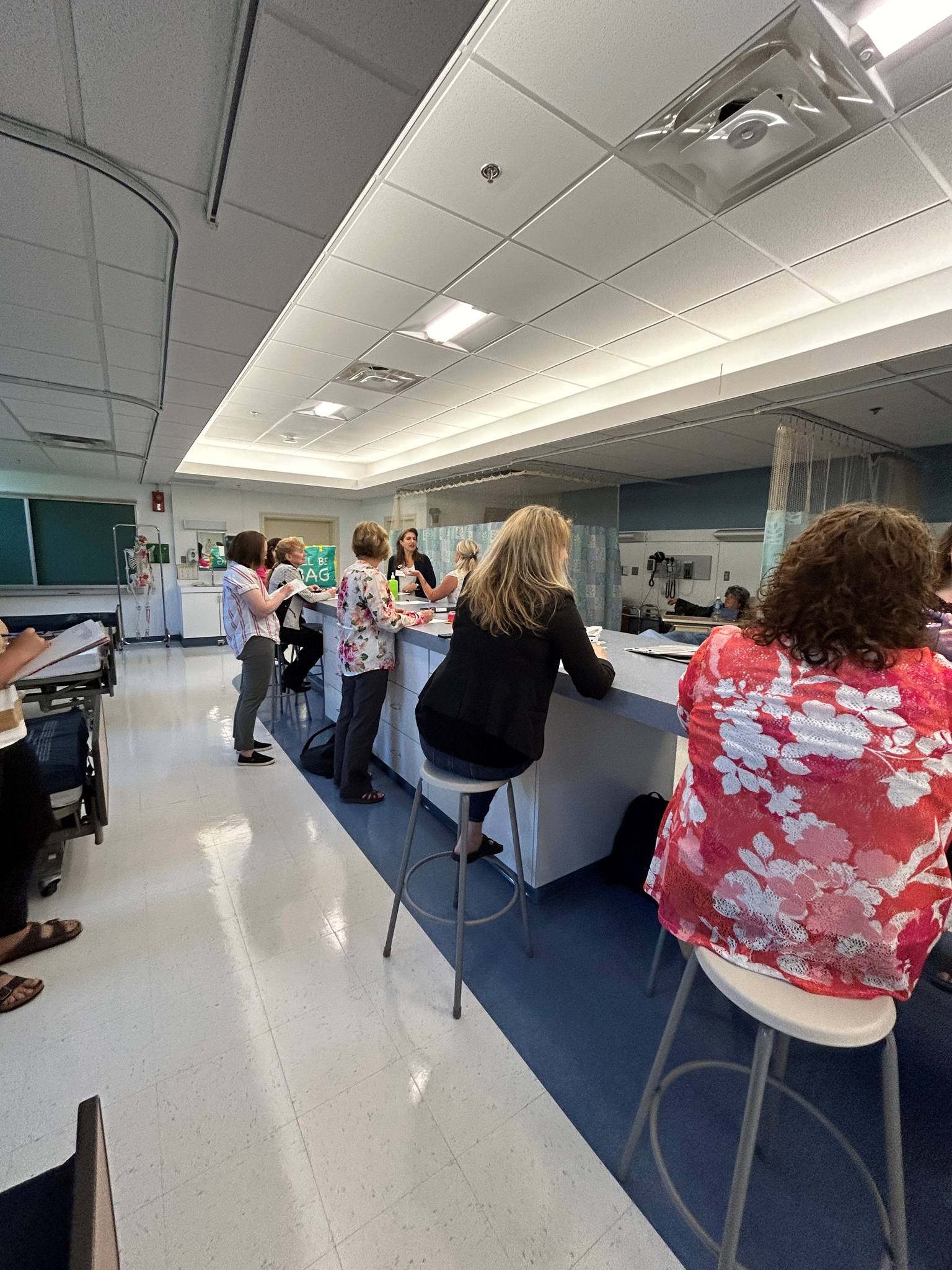
- Experiential Learning: Students engage in hands-on learning from the outset, integrating theory with practice.
- Practicum Component: An extended practicum in a community setting allows students to apply their skills in real-world environments.
- Elective Courses: Students can select courses that align with their interests and career goals.
- Program Evaluation Proposal: In the winter term, students collaborate with community partners to develop a program evaluation proposal.
- Unique Offering: This program is the first of its kind focused on evaluation in the Maritimes, allowing local students to pursue graduate studies without leaving the region.
Students will also learn about statistics and psychological testing to support their program evaluations, ensuring a well-rounded educational experience.
Featured Experiences
- Practicum Opportunities: Students have the chance to complete a summer practicum in a community setting, providing valuable hands-on experience.
- Team-Based Learning: The program encourages collaboration among students from diverse academic backgrounds, fostering a rich learning environment.
- Community Engagement: Students work closely with community partners to conduct program evaluations, ensuring that their learning is directly applicable to real-world challenges.
- Focus on Evaluation: The MAPRE program is specifically tailored to address the needs of organizations seeking expertise in program evaluation.
Career Options
- Program Evaluator: Assess and improve the effectiveness of programs in various sectors, including non-profits and government agencies.
- Research Analyst: Conduct research and analyze data to inform decision-making processes in organizations.
- Policy Advisor: Provide insights and recommendations based on research findings to shape public policy and organizational strategies.
- Community Development Officer: Work with communities to develop and evaluate programs that address local needs and enhance quality of life.
- Consultant: Offer expertise in program evaluation and research methodologies to organizations seeking to improve their services.
DISCLAIMER: The information above is subject to change. For the latest updates, please contact LOA Portal's advisors.
Visit University of New Brunswick official website