Last updated on 2025-11-14




Program overview
The Bachelor of Science in Nanoscience is an innovative program that focuses on the study of materials at the nanoscale. This interdisciplinary program is jointly administered by the Department of Chemistry and the Department of Physics, providing students with a comprehensive understanding of the principles and applications of nanoscience. The curriculum is designed to equip students with the necessary skills and knowledge to excel in various scientific fields, emphasizing both theoretical and practical aspects of nanotechnology. Students will engage in hands-on learning experiences, preparing them for future careers in research, industry, and academia.
Program structure
The Bachelor of Science in Nanoscience program is structured to provide a robust educational experience over a four-year period. The program includes:
- Completion of 20.00 credits across various scientific disciplines.
- Core courses in chemistry, physics, and mathematics, along with specialized nanoscience courses.
- Opportunities for co-operative education, allowing students to gain practical work experience.
- Elective courses that enable students to tailor their education to their interests.
Students in the co-op option will follow a five-year program that includes five work terms, integrating academic learning with real-world experience. This structure ensures that graduates are well-prepared for the demands of the workforce.
Featured Experiences
- Co-operative education opportunities that provide valuable work experience in the field of nanoscience.
- Hands-on laboratory experiences that enhance practical skills and understanding of nanomaterials.
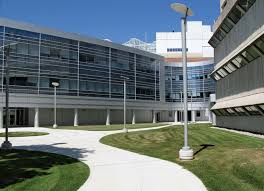
- Access to state-of-the-art facilities and equipment for research and experimentation.
- Collaboration with faculty on research projects, fostering a deeper understanding of current advancements in nanotechnology.
- Interdisciplinary learning that combines chemistry, physics, and engineering principles.
Career Options
- Nanotechnology Researcher: Conducts experiments and develops new nanomaterials for various applications in industries such as electronics and medicine.
- Materials Scientist: Studies and develops materials at the nanoscale, focusing on improving their properties and performance.
- Quality Control Analyst: Ensures that nanomaterials meet industry standards and specifications through rigorous testing and analysis.
- Product Development Engineer: Works on the design and development of new products that utilize nanotechnology, collaborating with cross-functional teams.
- Regulatory Affairs Specialist: Navigates the regulatory landscape for nanotechnology products, ensuring compliance with safety and environmental standards.
DISCLAIMER: The information above is subject to change. For the latest updates, please contact LOA Portal's advisors.
Visit University of Guelph official website