









Program overview
The Master of Business Administration (MBA) program is designed to equip students with essential business skills and knowledge necessary for leadership roles in various industries. This postgraduate program emphasizes critical thinking, strategic decision-making, and effective communication. Students will engage in a comprehensive curriculum that prepares them for the dynamic challenges of the business world. The MBA program fosters a collaborative learning environment, encouraging students to work together on projects and case studies, enhancing their teamwork and problem-solving abilities.
Program structure
The MBA program is structured to provide a robust educational experience over a two-year period. This duration allows students to delve deeply into various aspects of business management while balancing theoretical knowledge with practical application. Key features of the program structure include:
- Flexible scheduling options to accommodate working professionals.
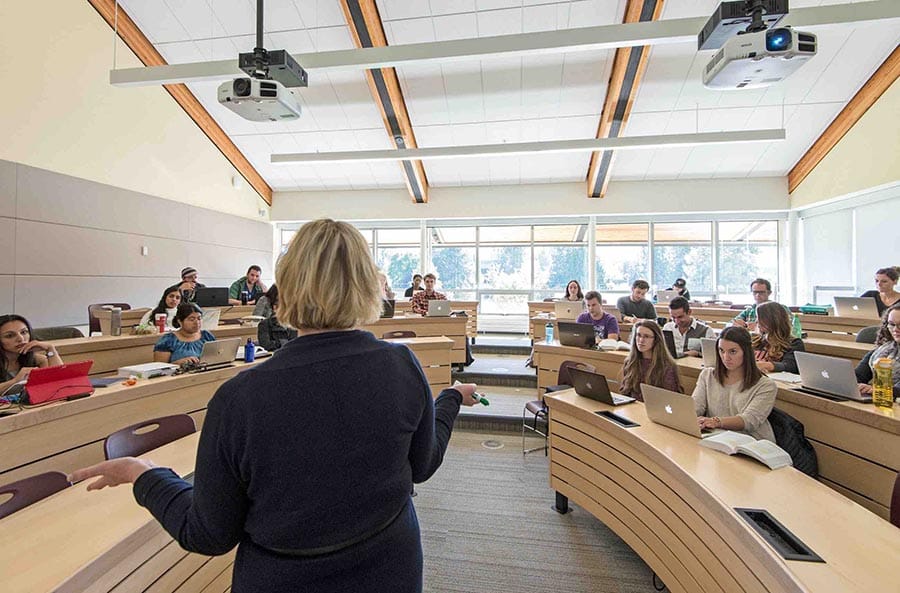
- Opportunities for experiential learning through projects and case studies.
- Networking events with industry leaders and alumni.
- Access to resources such as mentorship programs and career services.
- Options for co-op placements or internships to gain real-world experience.
Students can expect a well-rounded education that prepares them for the complexities of modern business environments.
Featured Experiences
- Co-op placements that provide hands-on experience in real business settings.
- Collaborative projects with industry partners to solve real-world business challenges.
- Access to state-of-the-art facilities and resources for research and learning.
- Networking opportunities with successful alumni and business leaders.
- Workshops and seminars led by industry experts to enhance practical skills.
Career Options
- Business Analyst: Analyze data and business processes to improve efficiency and profitability.
- Marketing Manager: Develop and implement marketing strategies to promote products and services.
- Operations Manager: Oversee daily operations and ensure that business processes run smoothly.
- Financial Consultant: Provide financial advice and strategies to help businesses manage their finances effectively.
- Human Resources Manager: Manage recruitment, employee relations, and organizational development within a company.
DISCLAIMER: The information above is subject to change. For the latest updates, please contact LOA Portal's advisors.
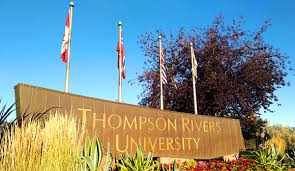
Visit TRU - Thompson Rivers University official website