Last updated on 2026-10-01

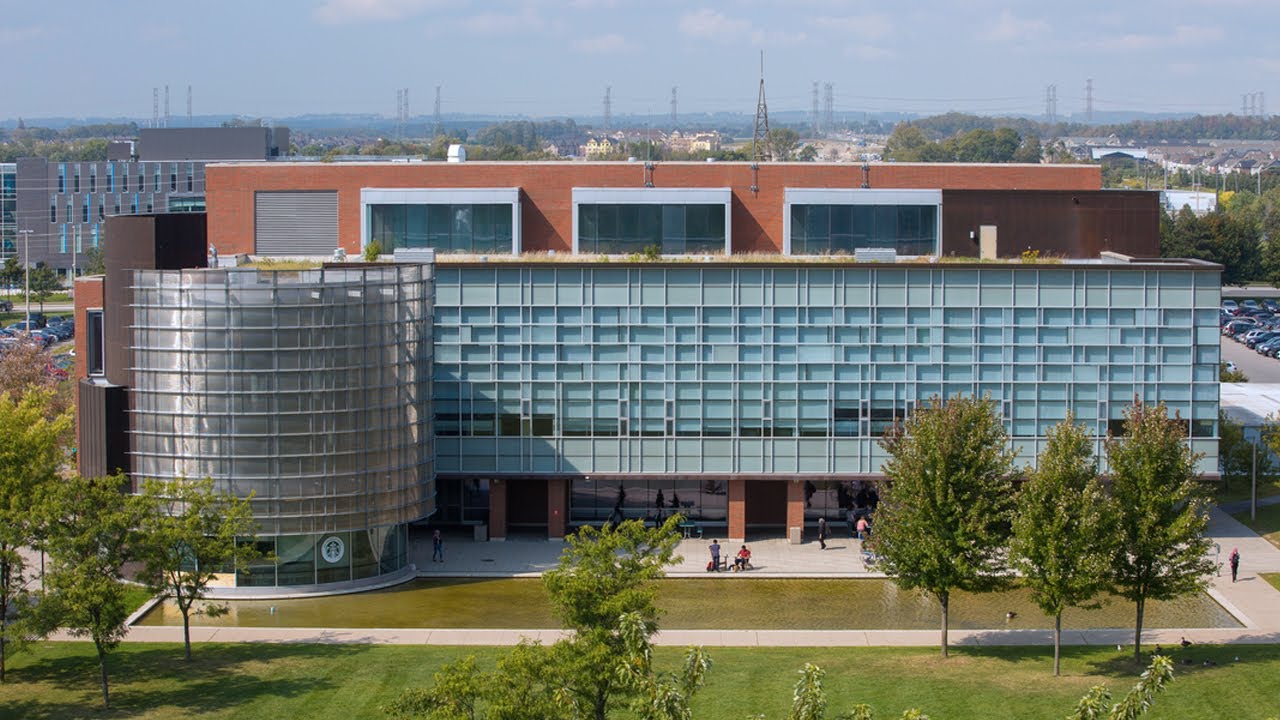






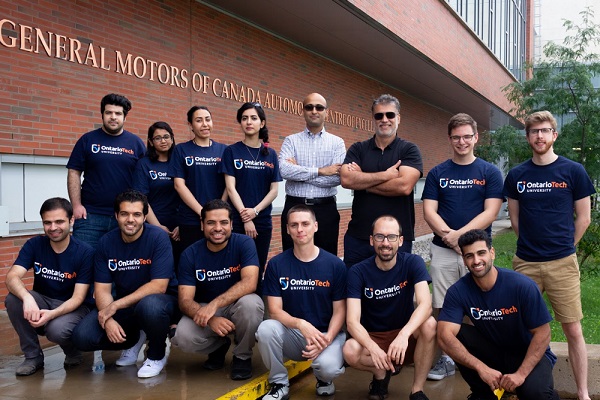



Program overview
The UNENE master's program is tailored for working professionals, equipping engineers with advanced knowledge, tools, and technology. It emphasizes essential business and management skills, ensuring that graduates remain at the forefront of their field. This program is part of the University Network of Excellence in Nuclear Engineering (UNENE), a collaborative initiative among several Canadian universities aimed at enhancing nuclear education and research capabilities.
Program structure
The UNENE Master of Engineering (MEng) program is designed to be flexible and accommodating for working professionals. Here are some key details about the program structure:
- Program Length: Students have a maximum of five years to complete the required courses.
- Delivery Method: The program is offered in a hybrid format, combining online and in-class learning.
- Program Load: Part-time study options are available.
- Program Format: Students can choose between a course-based format or a combination of courses with a major industrial research project.
- Course Schedule: Courses are typically offered on alternate weekends over a seven-week period.
- Contact Time: The program includes approximately 40 hours of contact time, along with an estimated 100 hours of homework.
Additionally, the program is designed to accommodate students working at remote sites, utilizing distance education tools when necessary.
Featured Experiences
The UNENE MEng program offers several unique features and experiences that enhance the learning journey:
- Co-sponsored industrial research projects that often involve collaboration with the student's employer.
- Courses delivered on alternate weekends, allowing for a manageable schedule for working professionals.
- Utilization of distance education tools to support students who may be located far from the Greater Toronto Area.
- Opportunities for hands-on learning through practical projects and assignments.
Career Options
Graduates of the UNENE MEng in Nuclear Engineering program can pursue a variety of career paths in Canada, including:
- Nuclear Engineer: Design and oversee the construction and operation of nuclear power plants, ensuring safety and efficiency.
- Radiation Safety Officer: Monitor and manage radiation safety protocols in various settings, including hospitals and research facilities.
- Project Manager: Lead and coordinate engineering projects within the nuclear sector, ensuring timely completion and adherence to regulations.
- Regulatory Affairs Specialist: Work with government agencies to ensure compliance with nuclear regulations and standards.
- Research Scientist: Conduct research in nuclear technology and engineering, contributing to advancements in the field.
These roles highlight the diverse opportunities available to graduates, reflecting the program's focus on equipping students with the necessary skills and knowledge for success in the nuclear engineering industry.
DISCLAIMER: The information above is subject to change. For the latest updates, please contact LOA Portal's advisors.
Visit Ontario Tech University official website