Last updated on 2026-09-21






Program overview
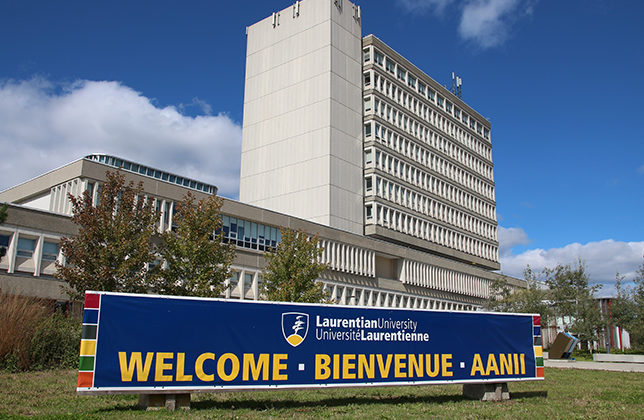
Gain critical thinking skills as you interpret, assess, and use data to study social movements, environmental changes, and political issues. The Bachelor of Arts in History at Laurentian University allows you to explore how the past informs both our present and future. Historians collect and analyze historical materials, including documents, testimonies, artifacts, and memories, to describe and explain historical events. This program not only teaches you what historians have discovered but also enables you to think like a historian, practicing the historical method and developing your own research skills.
Program structure
The Bachelor of Arts in History program at Laurentian University is designed to provide a comprehensive understanding of historical events and their implications. The program offers:
- Program Length: Typically completed in four years.
- Two streams of focus: North American history and European history.
- A wide selection of on-campus, online, and hybrid courses.
- Optional Honours Thesis for those interested in graduate studies.
- Courses covering various topics, including women’s history, Indigenous history, and environmental history.
This structure allows students to tailor their education according to their interests while ensuring a solid foundation in historical research and analysis.
Featured Experiences
- Opportunity to undertake a major research project in the fourth year under faculty supervision.
- Access to a variety of courses that cover diverse themes and regions.
- Engagement in smaller class sizes for more personalized interaction with professors.
- Possibility to complete a minor in history with courses offered entirely in French.
- Participation in history-specific scholarships and prizes for academic excellence.
Career Options
Graduates of the Bachelor of Arts in History program can pursue a variety of career paths in Canada, including:
- Civil Service or Community Development Staffer: Work in government or non-profit organizations to develop community programs and policies.
- Historical Curator or Interpreter: Manage and interpret historical collections in museums or cultural institutions.
- Journalist: Utilize research skills to report on historical events and their relevance to current issues.
- Policy Analyst: Analyze historical data to inform policy decisions in governmental or private sectors.
- Archivist or Librarian: Preserve and manage historical documents and resources in libraries or archives.
These roles leverage the critical thinking and analytical skills developed throughout the program, preparing graduates for meaningful careers in various fields.
DISCLAIMER: The information above is subject to change. For the latest updates, please contact LOA Portal's advisors.
Visit Laurentian University official website