Last updated on 2026-02-09






Program Overview
The one-year Veterinary Assistant certificate program covers the skills and knowledge required to assist in delivering quality animal care as a member of the veterinary team. You will gain a strong foundation in animal care, health, and well-being, preparing you for a veterinary clinic setting. As a Veterinary Assistant, you will work closely with Veterinarians and Veterinary Technicians to care for various types of animals.
Program Structure
The Veterinary Assistant program is designed to provide comprehensive training over a 30-week duration. This program is structured to include:
- Classroom learning to build technical knowledge.
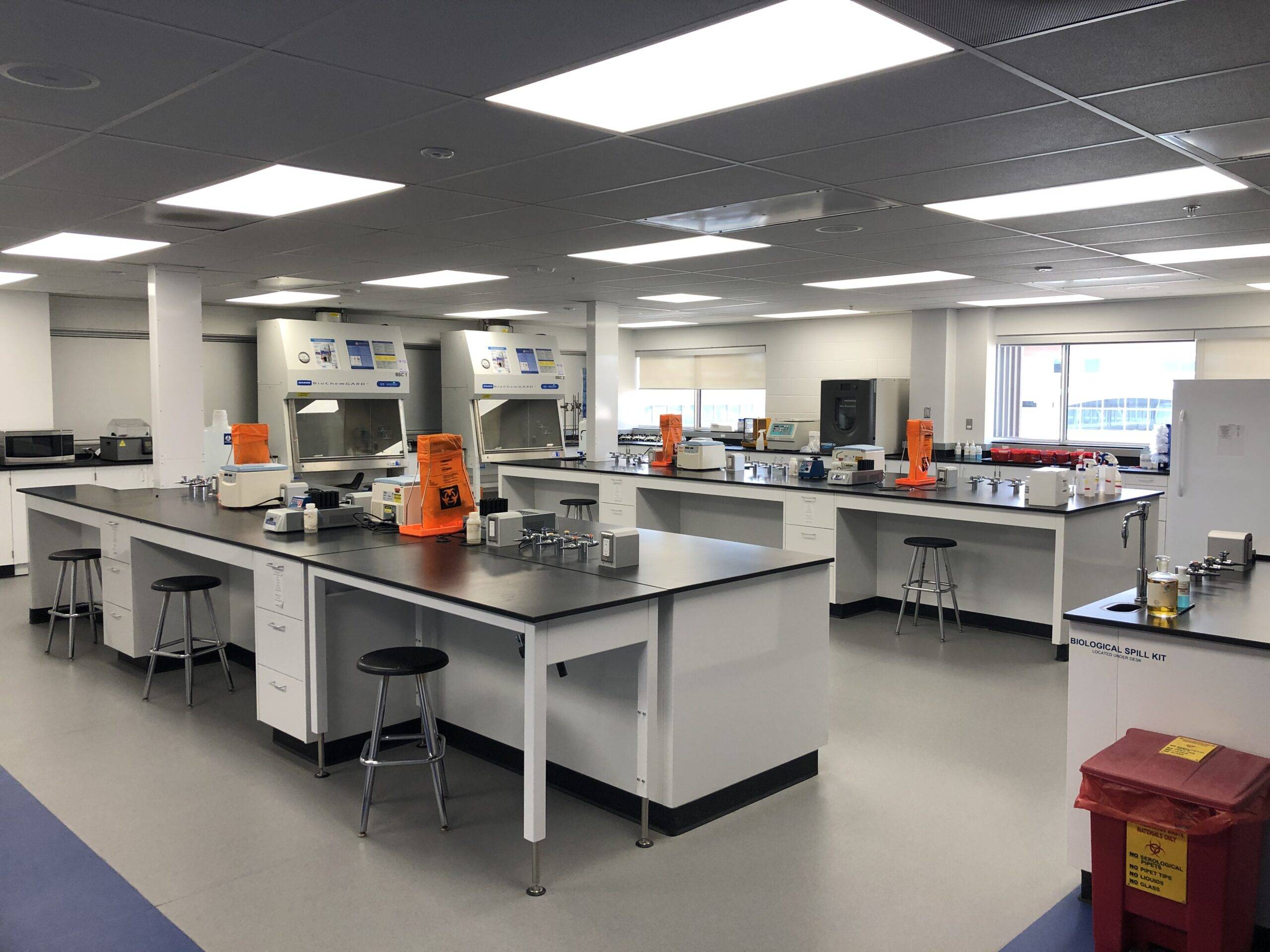
- On-campus and off-campus labs for hands-on training.
- A field placement to gain real-world experience in a veterinary setting.
Students will also have the opportunity to learn about various animal care settings, including companion animals, exotic pets, and large animals. This program prepares students for a variety of career paths in the animal care field.
Featured Experiences
- Hands-on training through on- and off-campus labs.
- Field placement to provide practical experience in a veterinary environment.
- Exposure to a wide range of animal care, including exotic and agricultural animals.
- Collaboration with Veterinarians and Veterinary Technicians.
Career Options
Graduates of the Veterinary Assistant program can pursue various career opportunities in Canada, including:
- Veterinary Clinics: Assist veterinarians in providing care to pets and other animals.
- Animal Shelters: Work in facilities that care for abandoned or stray animals.
- Wildlife Sanctuaries: Help in the rehabilitation and care of injured wildlife.
- Research Facilities: Support animal care in laboratory settings for research purposes.
- Agricultural Settings: Assist in the care of farm animals and livestock.
- Grooming & Pet Care Businesses: Provide grooming and care services for pets.
DISCLAIMER: The information above is subject to change. For the latest updates, please contact LOA Portal's advisors.
Visit Fanshawe College official website