Last updated on 2026-02-02








Program overview
The Network Technical Support Certificate program is designed to equip students with essential skills for configuring and troubleshooting computers, server operating systems, infrastructure services, and networks. This program emphasizes practical experience, allowing students to engage in activities that reflect real-world IT support roles, focusing on meeting client needs. With a duration of 1 year, this Ontario College Certificate program prepares graduates for a dynamic career in the ever-evolving field of information technology.
Program structure
The Network Technical Support Certificate program is structured to provide a comprehensive education over a period of 1 year, divided into 2 academic terms. The program is delivered in a hybrid format, combining both in-person and online learning experiences. Key features of the program structure include:
- Hands-on training in configuring and troubleshooting IT systems.
- Focus on client needs and real-world IT support scenarios.
- Opportunities for practical application of skills in a business setting.
This program is ideal for those looking to gain a solid foundation in network technical support, preparing them for various roles in the IT industry.
Featured Experiences
- Co-operative education opportunities to gain real-world experience.
- Hands-on labs to practice skills in a controlled environment.
- Field experiences that allow students to apply their knowledge in actual business settings.
- Joint partner programs that may enhance learning and networking opportunities.
Career Options
- IT Support Specialist: Provides technical support and troubleshooting for hardware and software issues in organizations.
- Network Administrator: Manages and maintains computer networks, ensuring optimal performance and security.
- Help Desk Technician: Assists users with technical problems, providing solutions and support via phone, email, or in-person.
- Systems Analyst: Analyzes and improves IT systems to enhance efficiency and effectiveness in business operations.
- Technical Support Engineer: Offers advanced technical support for complex IT issues, often working with product development teams.
DISCLAIMER: The information above is subject to change. For the latest updates, please contact LOA Portal's advisors.
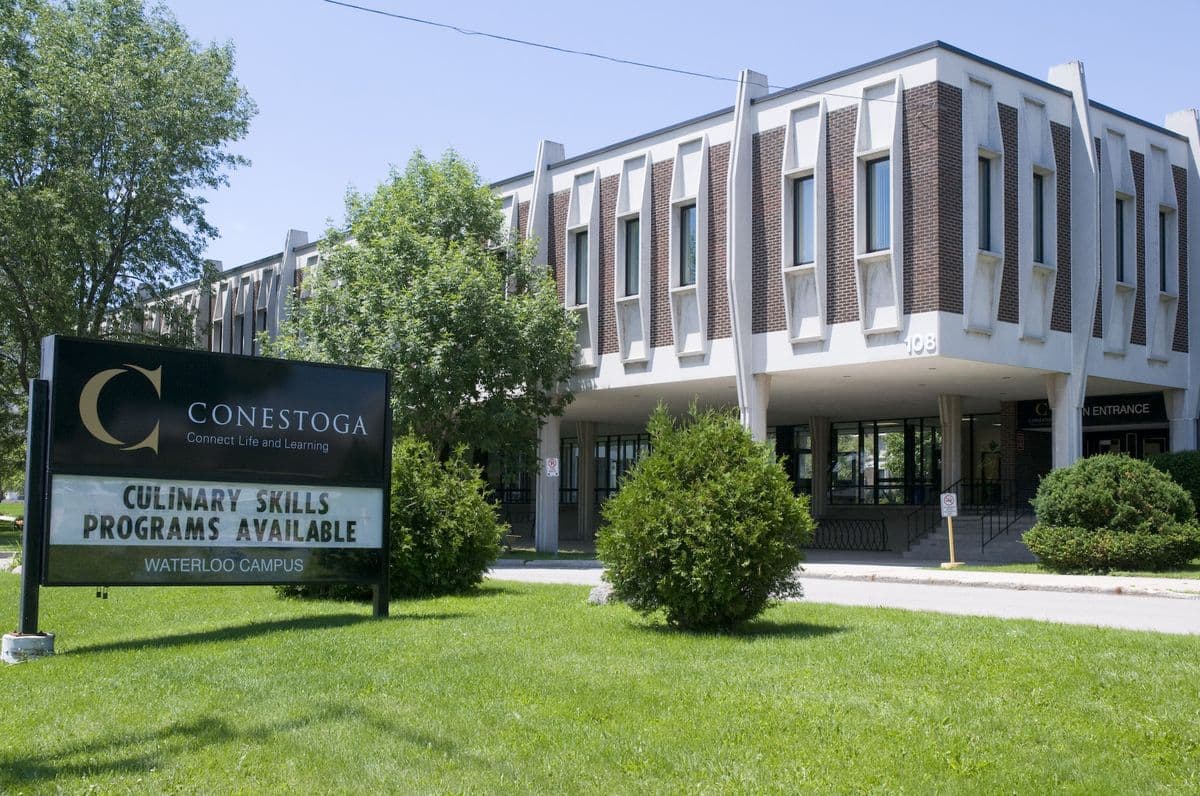
Visit Conestoga College official website