Last updated on 2026-03-19















Program Overview
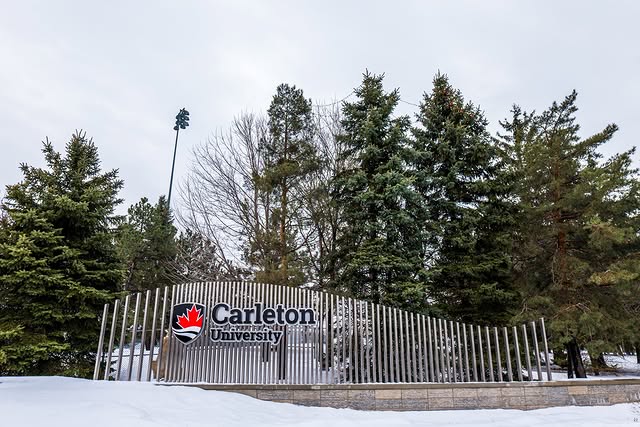
The Master of Arts in International Affairs at The Norman Paterson School of International Affairs (NPSIA) is designed to equip students with the interdisciplinary training necessary to navigate complex global issues and policies. With a strong reputation in the field, NPSIA focuses on various areas including conflict analysis, national security, international trade, and global governance. The program prepares students for the challenges of the 21st-century global workplace, emphasizing the importance of understanding international relations and policy-making.
Program Structure
The Master of Arts in International Affairs program is structured to be completed in 1 to 2 years, offering flexibility for students based on their individual needs and career goals. The program includes:
- Entry Terms: Fall
- Experiential Learning Opportunities: Internships and Co-op programs
- Pathway Options: Students can choose between Coursework, Research Essay, or Thesis
This structure allows students to gain practical experience while also engaging in rigorous academic study, ensuring they are well-prepared for careers in international affairs.
Featured Experiences
- Internships and Co-op programs that provide real-world experience in international policy.
- Access to officials from government departments, businesses, and NGOs in Canada’s capital, Ottawa.
- Collaborative Specializations available in areas such as African Studies, Climate Change, Cybersecurity, and Data Science.
- Engagement with the international policy community, enhancing networking opportunities.
Career Options
Graduates of the Master of Arts in International Affairs can pursue a variety of career paths in Canada, including:
- Policy Analyst: Analyzes and develops policies for government or organizations, focusing on international relations and global issues.
- International Development Consultant: Works with organizations to design and implement development projects in various countries.
- Diplomat: Represents Canada in foreign countries, working on international negotiations and relations.
- Intelligence Officer: Gathers and analyzes information related to national security and international threats.
- Non-Governmental Organization (NGO) Manager: Oversees programs and initiatives aimed at addressing global challenges such as humanitarian crises and development issues.
DISCLAIMER: The information above is subject to change. For the latest updates, please contact LOA Portal's advisors.
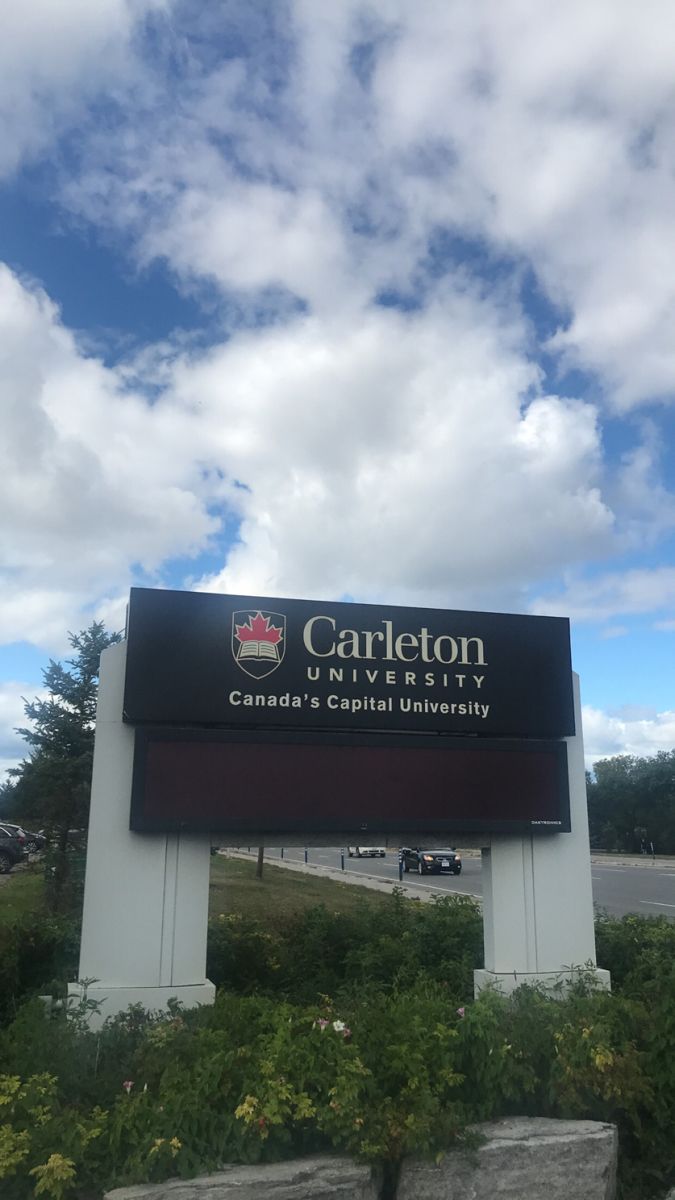
Visit Carleton University official website