Last updated on 2026-09-11

















Program Overview
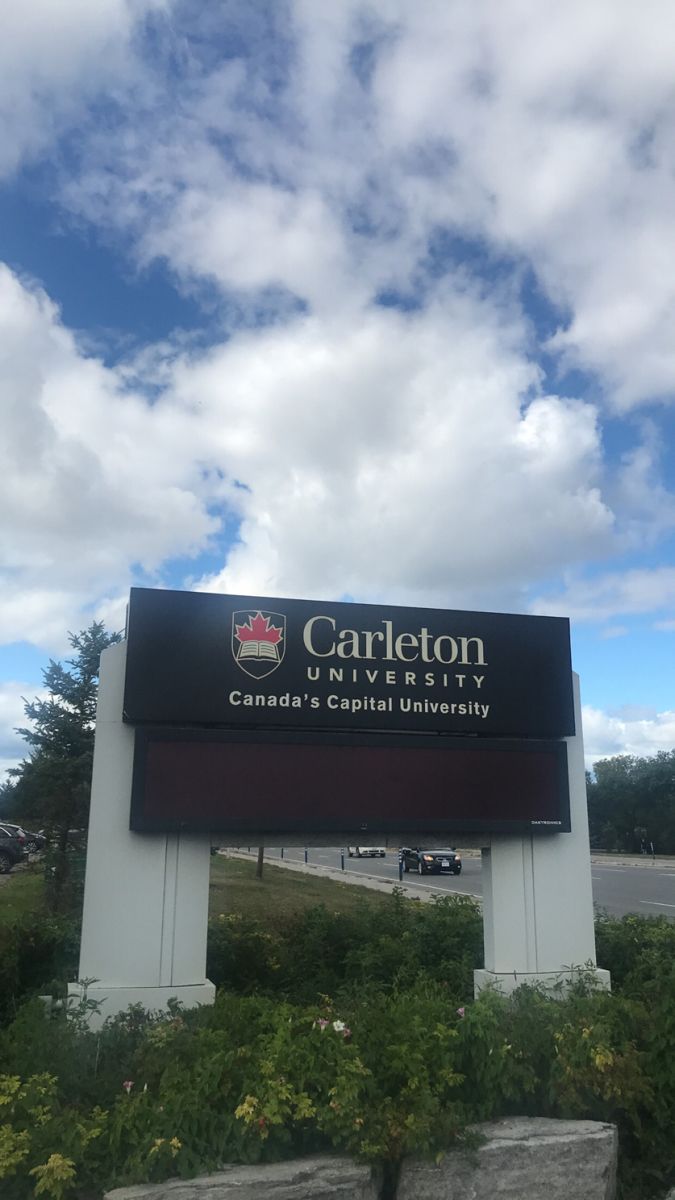
The Master of Arts in European, Russian and Eurasian Studies at Carleton University offers students a unique opportunity to engage in scholarly research with leading experts in the field. This program is renowned for its focus on Europe, European integration, Central and Southeast Europe, Russia, the Caucasus, and Central Asia. With a strong emphasis on research, students benefit from the university's status as a European Union Centre of Excellence, providing them with valuable insights and knowledge in this specialized area.
Program Structure
The Master of Arts in European, Russian and Eurasian Studies is designed to be completed in 2 years. The program offers flexible entry terms, allowing students to start in the Fall, Winter, or Summer semesters. Key features of the program structure include:
- Experiential Learning opportunities such as internships and co-op placements.
- Pathway options including a Research Project or Thesis.
- Access to a network of governmental organizations and the diplomatic community in Ottawa, enhancing career prospects.
Students are encouraged to apply early to receive consideration for admission and funding, with application reviews beginning as early as November 1 for Fall entry.
Featured Experiences
- Internship opportunities with embassies, consulates, and non-governmental organizations in Ottawa.
- Co-op placements that provide practical experience in relevant fields.
- Study abroad options that enhance global perspectives and understanding.
- Access to a podcast series, "Getting To Know EURUS," for additional insights into the program.
Career Options
Graduates of the Master of Arts in European, Russian and Eurasian Studies can pursue a variety of career paths in Canada, including:
- Policy Analyst: Research and analyze policies related to European and Eurasian affairs, providing recommendations to government agencies.
- Diplomatic Service Officer: Represent Canada in international relations, working with foreign governments and organizations.
- International Relations Consultant: Advise organizations on strategies for engaging with European and Eurasian markets.
- Researcher: Conduct in-depth studies on topics related to European integration, migration, and governance.
- Non-Governmental Organization (NGO) Specialist: Work with NGOs focused on international development, human rights, or policy advocacy in Europe and Eurasia.
DISCLAIMER: The information above is subject to change. For the latest updates, please contact LOA Portal's advisors.
Visit Carleton University official website