










Program overview
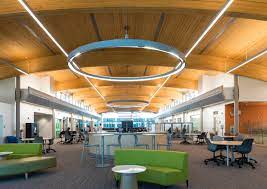
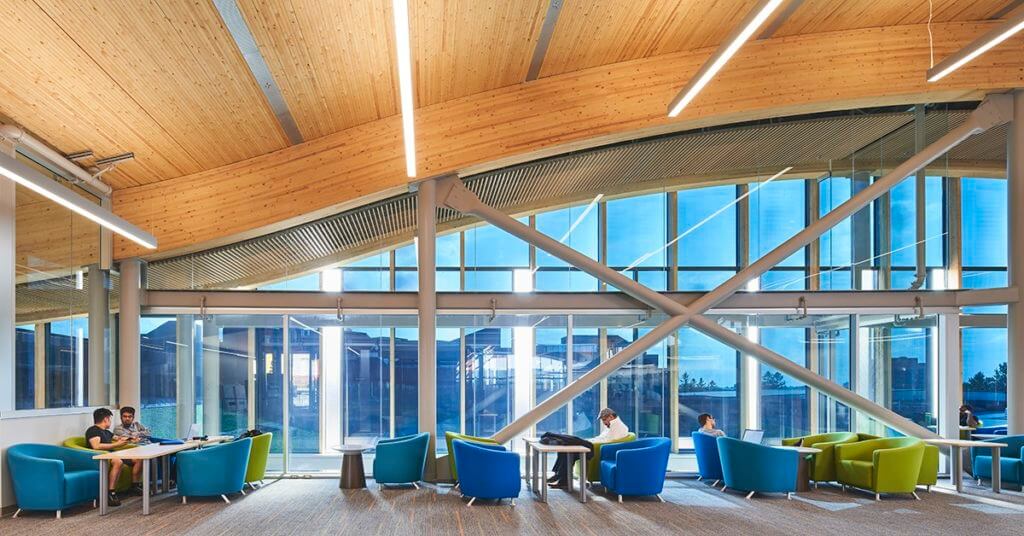
The Cabinetmaking and Furniture Technician program is an Ontario College Diploma that spans a compressed 42-week format. This intensive program equips students with essential skills and techniques for a successful career in the cabinetmaking and woodworking industry. Classes are conducted at the Algonquin Centre for Construction Excellence, where students have access to modern, industry-standard equipment and tools. The curriculum emphasizes both traditional joinery and advanced technology, ensuring that graduates are well-prepared for various roles in the field.
Program structure
The Cabinetmaking and Furniture Technician program is designed to be completed in a 42-week timeframe, which is equivalent to three semesters. The program structure includes:
- Hands-on learning experiences in state-of-the-art facilities.
- Approximately 60% of the program is lab-based, allowing students to gain practical skills.
- Students can choose between a non co-op version or a co-op version, with the latter allowing qualified students to participate in work terms.
This program is ideal for those looking to enter the cabinetmaking and woodworking industry quickly and effectively, providing a solid foundation in both practical and theoretical aspects of the trade.
Featured Experiences
- Hands-on training in a fully equipped lab environment.
- Access to modern industry-standard tools and equipment.
- Opportunities for co-op placements, providing real-world experience.
- Focus on both traditional joinery techniques and advanced technology.
- Learning in a collaborative environment with experienced instructors.
Career Options
Graduates of the Cabinetmaking and Furniture Technician program can pursue a variety of career paths in Canada, including:
- Furniture Maker: Design and create custom furniture pieces, utilizing both traditional and modern techniques.
- Cabinetmaker: Specialize in crafting cabinets for kitchens, bathrooms, and commercial spaces.
- Furniture Refinisher: Restore and refinish furniture to its original condition, enhancing its aesthetic appeal.
- Sales Representative: Work in sales for furniture, tools, or hardware, leveraging industry knowledge to assist customers.
- Self-Employed Artisan: Start a personal business in furniture making or restoration, allowing for creative freedom and entrepreneurship.
DISCLAIMER: The information above is subject to change. For the latest updates, please contact LOA Portal's advisors.
Visit Algonquin College official website