Last updated on 2025-05-06



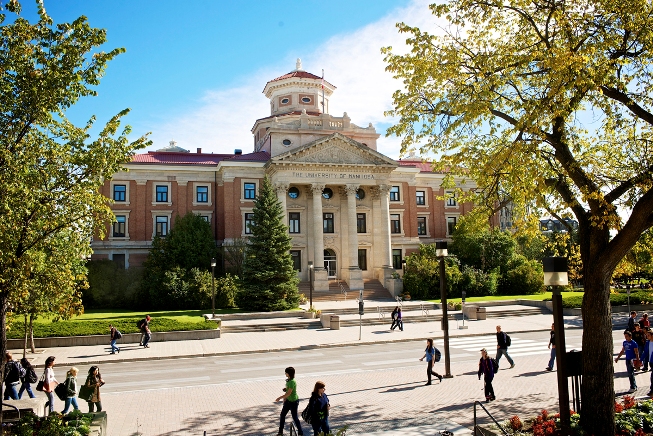
Program Overview
The Bachelor of Environmental Science (BEnvSC) is an interdisciplinary program designed for students eager to tackle environmental challenges through scientific solutions. This program emphasizes a holistic and multi-disciplinary approach, preparing students to collaborate with various specialists in the field. The curriculum is structured to provide a solid foundation in ecological, biological, agricultural, and chemical sciences, equipping graduates with the necessary skills to address pressing environmental issues.
Program Structure
The Bachelor of Environmental Science program offers various options to cater to different academic interests:
- Honours: 4 years
- Major: 4 years
- General: 3 years
- Minor: 18 credit hours
Students can also choose to pursue co-op options, which provide practical work experience alongside their studies. The program emphasizes experiential learning through:
- Field courses on ecological and environmental topics
- Access to the Centre for Earth Observation Science
- Exposure to research conducted by the federal government’s Freshwater Institute
With a focus on developing strong quantitative skills, students can specialize in various focus areas, ensuring a comprehensive educational experience.
Featured Experiences
The Bachelor of Environmental Science program offers unique experiences that enhance learning and practical application:
- Co-op opportunities that allow students to gain hands-on experience in the field.
- Field courses that cover a range of ecological and environmental topics.
- Access to the Centre for Earth Observation Science, which provides resources for research and study.
- Collaboration with the federal government’s Freshwater Institute for ecosystem research.
These experiences are designed to enrich the academic journey and prepare students for real-world challenges in environmental science.
Career Options
Graduates of the Bachelor of Environmental Science program can pursue a variety of career paths in Canada, including:
- Environmental Consultant: Advises organizations on environmental best practices and compliance with regulations.
- Wildlife Biologist: Studies wildlife populations and their habitats to inform conservation efforts.
- Environmental Educator: Teaches communities about environmental issues and sustainable practices.
- Conservation Officer: Enforces laws related to wildlife and natural resource conservation.
- Environmental Policy Analyst: Analyzes and develops policies to address environmental challenges at various government levels.
These roles highlight the diverse opportunities available to graduates, allowing them to make significant contributions to environmental sustainability and conservation efforts.
DISCLAIMER: The information above is subject to change. For the latest updates, please contact LOA Portal's advisors.
Visit UOM - University of Manitoba official website