











Program overview
Earn your Commercial Pilot Licence and a Bachelor of Science degree in Science and Aviation from one of Canada's leading universities. This program is designed to equip students with essential skills in both aviation and science, preparing them for a dynamic career in the aviation and aerospace industries. The curriculum emphasizes analytical and decision-making skills, along with a solid understanding of complex aircraft systems. Students will begin their flight training immediately after completing their first year, ensuring a hands-on approach to learning that combines theoretical knowledge with practical experience.
Program structure
The Bachelor of Science in Science and Aviation program is structured to provide a comprehensive education over a period of four years. The program includes:
- First-year courses that introduce students to aviation fundamentals and essential sciences.
- Flight training that begins in the spring term following the first year, allowing students to log over 200 flight hours.
- A mix of aviation and science courses, with approximately half of the classes focused on aviation and the other half on science, mathematics, and geography.
- Opportunities to customize the degree with electives from a wide range of subjects.
This program is offered as a regular program only and does not include co-op options or minors. Students will develop valuable skills such as time management, safety and risk management, public speaking, critical thinking, and teamwork throughout their studies.
Featured Experiences
The Science and Aviation program offers several unique experiences that enhance the educational journey:
- Hands-on flight training through the Professional Pilot Program, starting in the second term of the first year.
- Access to the largest aviation program in Canada, providing extensive resources and support.
- Opportunities to log over 200 flight hours, which count towards the Integrated Airline Transport Pilot Licence.
- Engagement in various clubs, jobs, or research projects that complement academic learning.
- Exposure to real-world aviation scenarios, allowing students to experience the workplace before graduation.
Career Options
Graduates of the Science and Aviation program can pursue a variety of exciting career paths in Canada, including:
- Commercial Pilot: Operate aircraft for airlines, cargo transport, or charter services, ensuring passenger safety and comfort.
- Flight Instructor: Teach aspiring pilots the skills and knowledge necessary to obtain their pilot licenses.
- Aerial Surveyor: Conduct aerial surveys for mapping, environmental monitoring, and resource management.
- Air Traffic Controller: Manage the safe and orderly flow of air traffic in the skies and at airports.
- Aviation Safety Inspector: Ensure compliance with aviation regulations and safety standards within the industry.
With a combination of a university degree and a pilot’s license, graduates will have a competitive edge in the job market, opening doors to numerous airborne and ground-based careers.
DISCLAIMER: The information above is subject to change. For the latest updates, please contact LOA Portal's advisors.
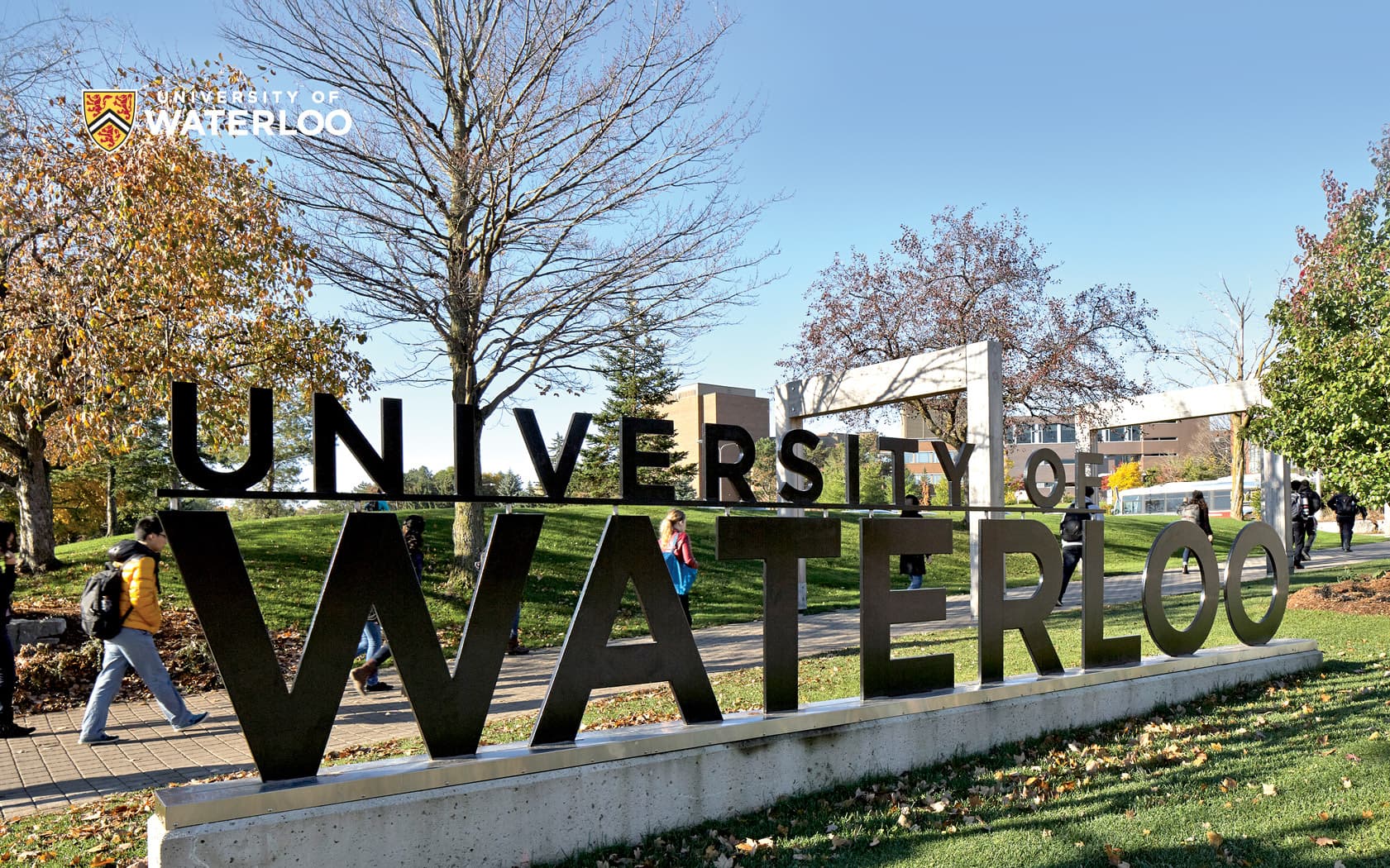
Visit University of Waterloo official website