Last updated on 2026-10-05

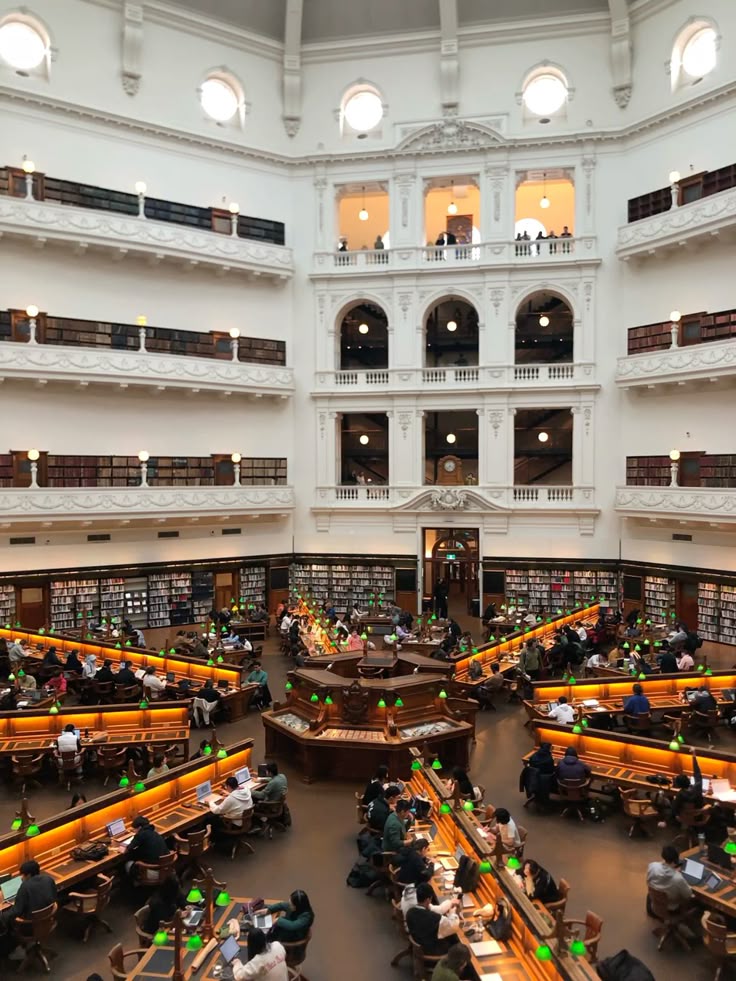
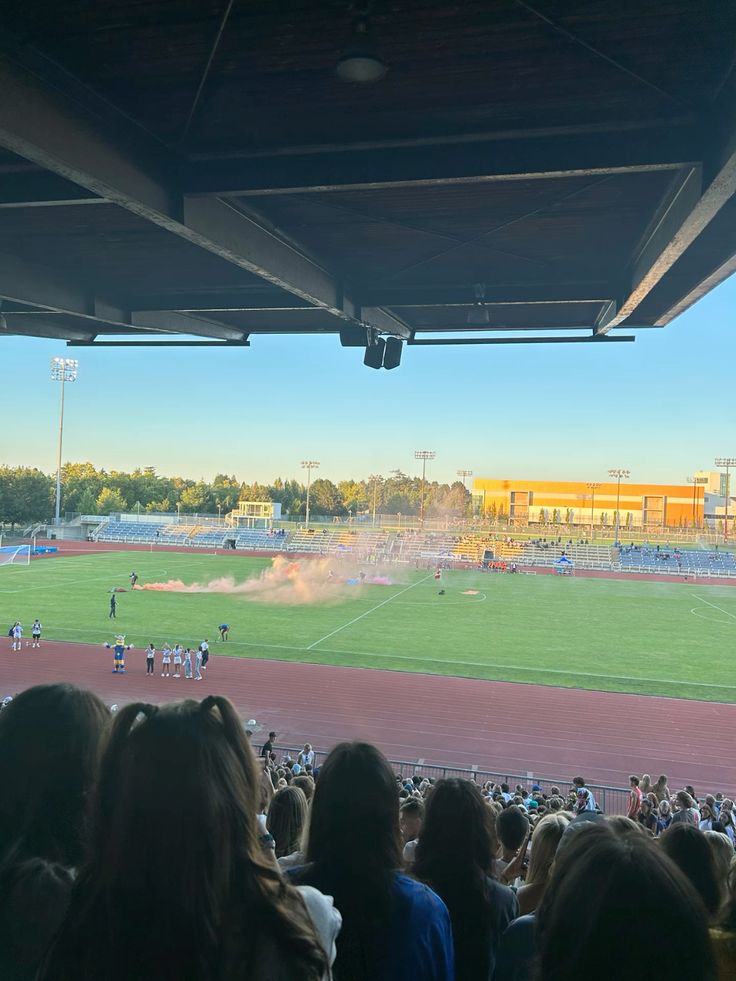
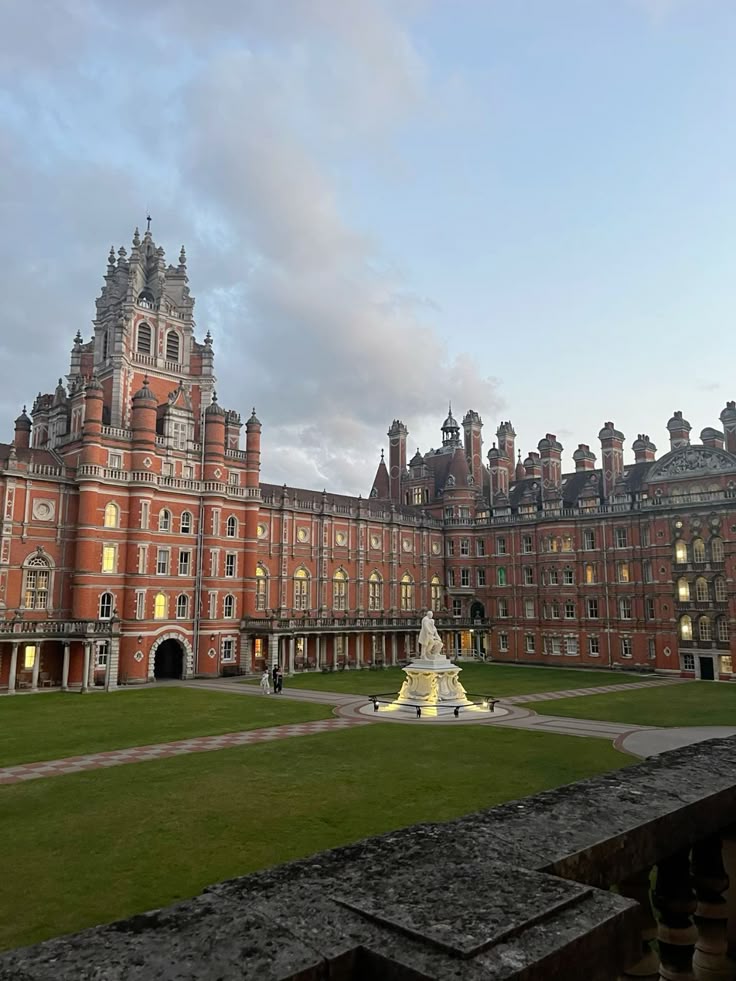
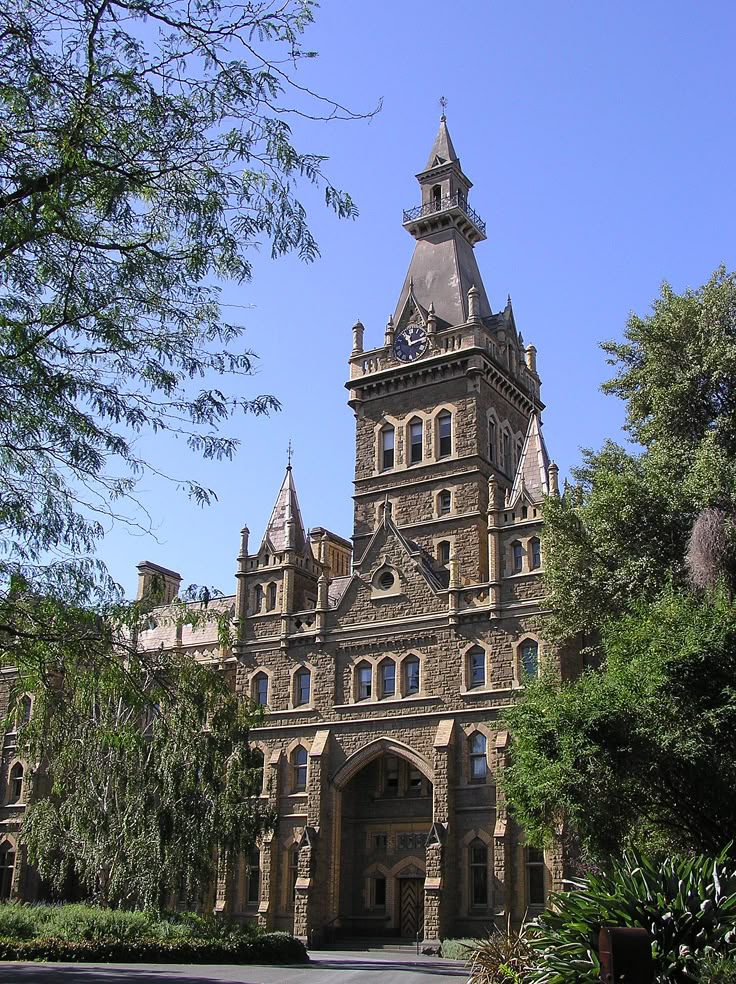
Program Overview
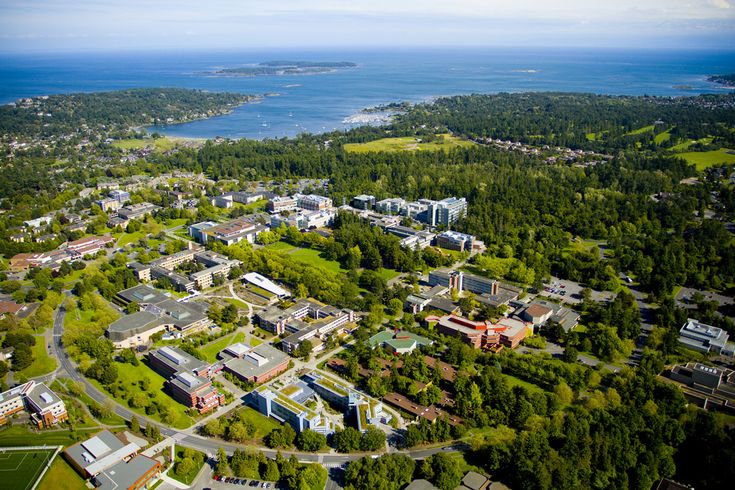
The Bachelor of Science (BSc) in Physics and Astronomy at the University of Victoria is designed for students eager to explore the fundamental principles of the universe. This program offers a dynamic learning environment where students can delve into topics such as gravity, relativity, and quantum mechanics. With access to world-class equipment and facilities, students will develop essential problem-solving skills while engaging in research projects that have both local and international significance. The program aims to prepare graduates for a variety of exciting career paths in science and technology.
Program Structure
The BSc in Physics and Astronomy program is structured to provide a comprehensive education in the field over a standard duration of four years. Students will have the opportunity to:
- Engage in hands-on learning experiences.
- Participate in research projects with faculty members.
- Access state-of-the-art laboratories and equipment.
- Declare their major after completing one or more years of full-time study.
This program emphasizes a blend of theoretical knowledge and practical application, ensuring that students are well-prepared for their future careers. Options for co-op placements or internships may also be available, providing valuable real-world experience.
Featured Experiences
- Hands-on learning opportunities in advanced laboratories.
- Research projects that connect students with local and international experts.
- Access to cutting-edge technology and equipment in the field of physics and astronomy.
- Potential for co-op placements or internships to gain practical experience.
Career Options
Graduates of the BSc in Physics and Astronomy program can pursue a variety of career paths in Canada, including:
- Aerospace Professional: Work in the design and development of aircraft and spacecraft, focusing on aerodynamics and propulsion systems.
- Data Scientist: Analyze complex data sets to derive insights and inform decision-making in various industries.
- Financial Expert: Utilize analytical skills to assess financial data and provide investment advice or risk management solutions.
- Government Policy Maker or Analyst: Develop and analyze policies related to science and technology, contributing to informed decision-making at governmental levels.
- Industrial Research and Development Professional: Engage in innovative research to develop new technologies and improve existing products in various sectors.
These career options highlight the versatility and demand for skills acquired through the Physics and Astronomy program, making graduates valuable assets in the job market.
DISCLAIMER: The information above is subject to change. For the latest updates, please contact LOA Portal's advisors.
Visit University of Victoria official website