Last updated on 2025-12-10


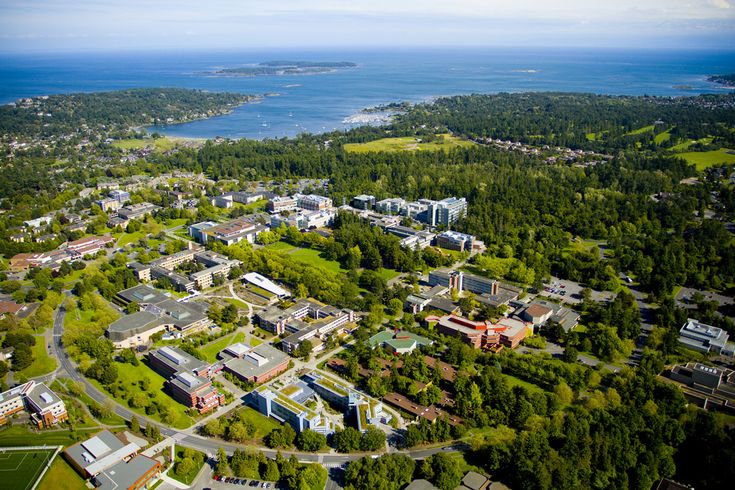
Program Overview
The Biology and Earth Sciences program at the University of Victoria is designed to help students discover the intricate relationships between life on Earth and various geological, oceanic, and atmospheric processes. This program emphasizes a comprehensive understanding of how these processes impact our planet and the life it supports. Students will have the opportunity to engage in hands-on learning experiences, working alongside experts in the field at field schools and marine laboratories, which enhances their educational journey and prepares them for future careers in environmental sciences.
Program Structure
The Biology and Earth Sciences program is structured to be completed in four years, leading to a Bachelor of Science (BSc) degree. The program is designed to provide a robust foundation in both biological and earth sciences, allowing students to explore various aspects of these fields. Key features of the program include:
- Dynamic learning environment with a focus on practical applications.
- Field schools that provide real-world experience in natural settings.
- Opportunities to work in marine laboratories, enhancing hands-on learning.
- Flexibility to declare the major after one or more years of full-time study.
Students can expect a well-rounded education that prepares them for various career paths in the sciences.
Featured Experiences
The Biology and Earth Sciences program offers several unique experiences that enrich the learning process:
- Field schools that allow students to apply their knowledge in real-world environments.
- Access to marine laboratories for hands-on research and experimentation.
- Collaboration with experts in the field, providing mentorship and guidance.
- Opportunities for interdisciplinary learning, integrating biology with earth sciences.
These experiences are designed to enhance students' understanding and appreciation of the natural world.
Career Options
Graduates of the Biology and Earth Sciences program can pursue a variety of career paths in Canada, including:
- Environmental Regulation Enforcement Officer: Ensures compliance with environmental laws and regulations.
- Environmental Scientist: Conducts research and analysis to address environmental issues and develop solutions.
- Wildlife Biologist: Studies animal populations and their habitats to inform conservation efforts.
- Geoscientist: Analyzes geological data to understand earth processes and resources.
- Marine Biologist: Researches marine organisms and ecosystems, contributing to marine conservation.
These roles highlight the diverse opportunities available to graduates, allowing them to make significant contributions to environmental science and conservation efforts.
DISCLAIMER: The information above is subject to change. For the latest updates, please contact LOA Portal's advisors.
Visit University of Victoria official website