Last updated on 2026-10-05

Program Overview
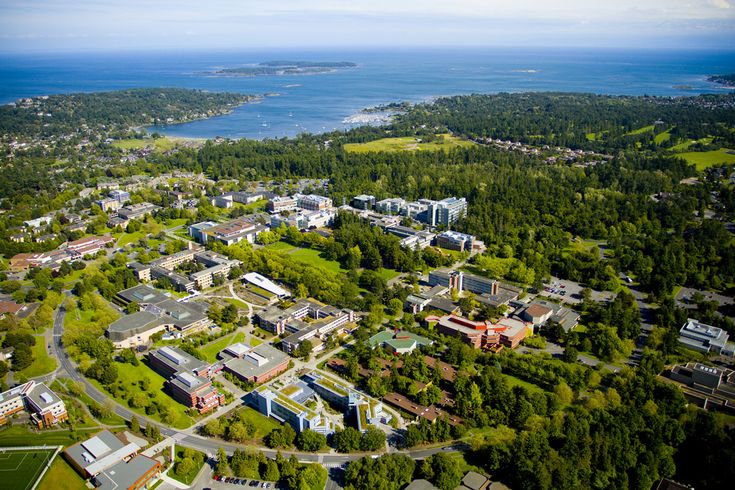
The BA/BSc Geography program at the University of Victoria offers students a comprehensive understanding of the interactions between people and the environment. This program emphasizes the spatial nature of these relationships and encourages students to seek solutions to pressing global issues such as climate change, global migration, and sustainability. Students will have the opportunity to engage in community activities, participate in mapping projects, and travel with field schools, providing a dynamic and hands-on learning experience.
Program Structure
The BA/BSc Geography program is designed to provide students with a robust foundation in geographical concepts and practices. The program typically spans a four-year duration, allowing students to explore various areas of focus within geography. Key features of the program structure include:
- Flexibility to choose between a Bachelor of Arts (BA) or Bachelor of Science (BSc) degree.
- Options to declare a major after one or more years of full-time study.
- Possibility to add a minor or another major to broaden academic pursuits.
- Engagement in community-based projects and fieldwork.
Students can also benefit from various program options, including community engagement initiatives and environmental studies double majors, enhancing their educational experience.
Featured Experiences
The Geography program at the University of Victoria offers a variety of unique experiences that enrich the learning journey:
- Field schools that provide practical, hands-on learning in real-world environments.
- Community activities that foster engagement and application of geographical knowledge.
- Mapping projects that allow students to develop technical skills in geomatics.
- Opportunities for internships and co-op placements to gain professional experience.
Career Options
Graduates of the BA/BSc Geography program can pursue a wide range of career opportunities in Canada. Some potential job roles include:
- Cartographer: Specializes in creating maps and visual representations of geographical data.
- Environmental Assessment Coordinator: Works on evaluating the environmental impacts of projects and policies.
- Urban or Regional Planner: Involved in developing land use plans and programs that help create communities.
- GIS Specialist: Utilizes Geographic Information Systems to analyze spatial data and support decision-making.
- Sustainability Consultant: Advises organizations on sustainable practices and environmental stewardship.
These roles highlight the diverse career paths available to graduates, emphasizing the program's relevance in addressing contemporary environmental and societal challenges.
DISCLAIMER: The information above is subject to change. For the latest updates, please contact LOA Portal's advisors.
Visit University of Victoria official website