
Last updated on 2025-08-28

















Program overview
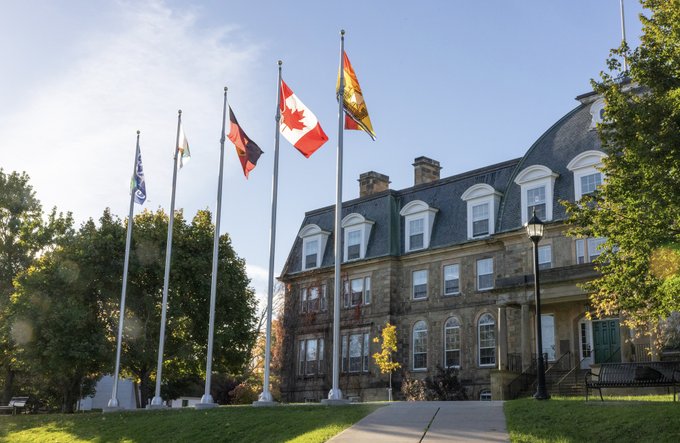
The Law in Society program at the University of New Brunswick (UNB) delves into the intricate relationship between law and contemporary societies. This program offers students the chance to examine this relationship through an interdisciplinary lens, incorporating various foundations of law, including philosophical, historical, political, economic, and sociological perspectives. It serves as an excellent preparation for further studies in the humanities and social sciences, as well as for professional paths in law, public administration, policing, social work, and business.
Program structure
The Law in Society program is structured to provide a comprehensive understanding of law's role in society. Key features of the program include:
- Program Length: This is a four-year Bachelor of Arts degree.
- Options for a minor, double major, or joint honours.
- Interdepartmental and inter-faculty structure, allowing for a diverse exploration of topics.
- Flexibility to tailor the program according to individual interests.
Students will engage with a variety of subjects that intersect law, policy, justice, and social order, enhancing their educational experience.
Featured Experiences
The Law in Society program offers several unique features that enrich the student experience:
- Interdisciplinary approach, allowing students to explore law from multiple perspectives.
- Critical thinking and analytical skills development.
- Opportunities to engage with current social issues through a multidisciplinary lens.
- Ability to contextualize current events within broader societal frameworks.
These experiences prepare students for a dynamic and evolving field, equipping them with essential skills for their future careers.
Career Options
Graduates of the Law in Society program can pursue a variety of career paths in Canada, including:
- Legislative Assistant: Support lawmakers by researching and drafting legislation, and assisting in policy development.
- Social Development Manager: Oversee programs aimed at improving community welfare and social services.
- Policy Advisor: Provide expert advice on policy formulation and implementation in governmental or non-profit sectors.
- Social Worker: Work with individuals and communities to enhance their well-being (requires further education).
- Lawyer: Represent clients in legal matters, requiring further education and training.
- Researcher in Advocacy or Non-Governmental Organizations: Conduct research to support advocacy efforts and inform policy changes.
These roles highlight the diverse opportunities available to graduates, emphasizing the program's relevance in today's job market.
DISCLAIMER: The information above is subject to change. For the latest updates, please contact LOA Portal's advisors.
Visit University of New Brunswick official website