Last updated on 2025-05-13
Program overview
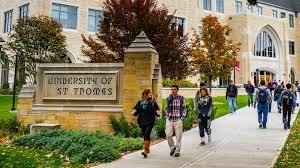
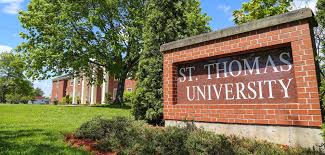
The Bachelor of Arts in Religious Studies at St. Thomas University (STU) delves into the significant roles that religions play in contemporary society and across the globe. This program investigates how spiritual, ethical, and legal perspectives of various religions influence politics, the arts, social movements, sexualities, the environment, and fundamental questions about life’s purpose. With a multi-religious and comparative approach, students engage with diverse themes and issues, gaining insights into the complexities of religious traditions and their societal impacts.
Program structure
The Bachelor of Arts in Religious Studies is designed to provide a comprehensive understanding of the multi-disciplinary nature of religion. The program is structured to include:
- Program Length: Typically spans four years.
- Small class sizes that foster personal interaction and engaging discussions.
- Courses taught exclusively by professors, ensuring expert guidance.
- Multiple streams of study, including ritual studies, ethics, interpreting texts, and social actor analysis.
This program emphasizes critical thinking, research, and communication skills, preparing students for various career paths. The curriculum is adaptable, allowing for exploration of various religious traditions and contemporary issues.
Featured Experiences
The Bachelor of Arts in Religious Studies offers unique experiences that enhance learning, including:
- Engaging lectures and seminars led by experienced professors.
- Opportunities for personal reflection and discussion on diverse beliefs.
- Multi-disciplinary approach that connects religious studies with other liberal arts fields.
These features create a rich educational environment that encourages students to explore the complexities of religion and its impact on society.
Career Options
Graduates of the Bachelor of Arts in Religious Studies can pursue a variety of career paths in Canada, including:
- Government: Work in policy-making or community development, addressing social issues influenced by religious perspectives.
- Education: Teach religious studies or related subjects at various educational levels.
- Social Services: Provide support and advocacy for individuals and communities, often in non-profit settings.
- Religious Institutions: Engage in roles that involve community leadership, outreach, or administration.
- Journalism: Report on religious issues, cultural events, and social movements, providing insights into the role of religion in society.
- Non-governmental Organizations: Work on initiatives that address social justice, human rights, and interfaith dialogue.
- Law: Pursue legal careers that involve issues of ethics, human rights, and religious freedoms.
These career options reflect the diverse skills and knowledge gained through the program, equipping graduates for meaningful contributions in various fields.
DISCLAIMER: The information above is subject to change. For the latest updates, please contact LOA Portal's advisors.
Visit St. Thomas University official website