Last updated on 2026-09-21

Program overview
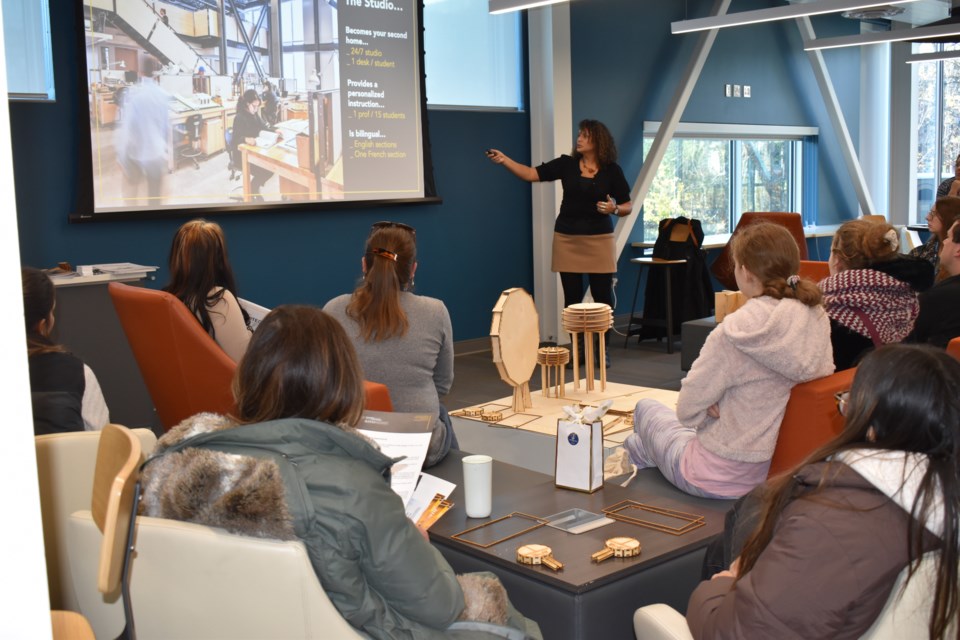
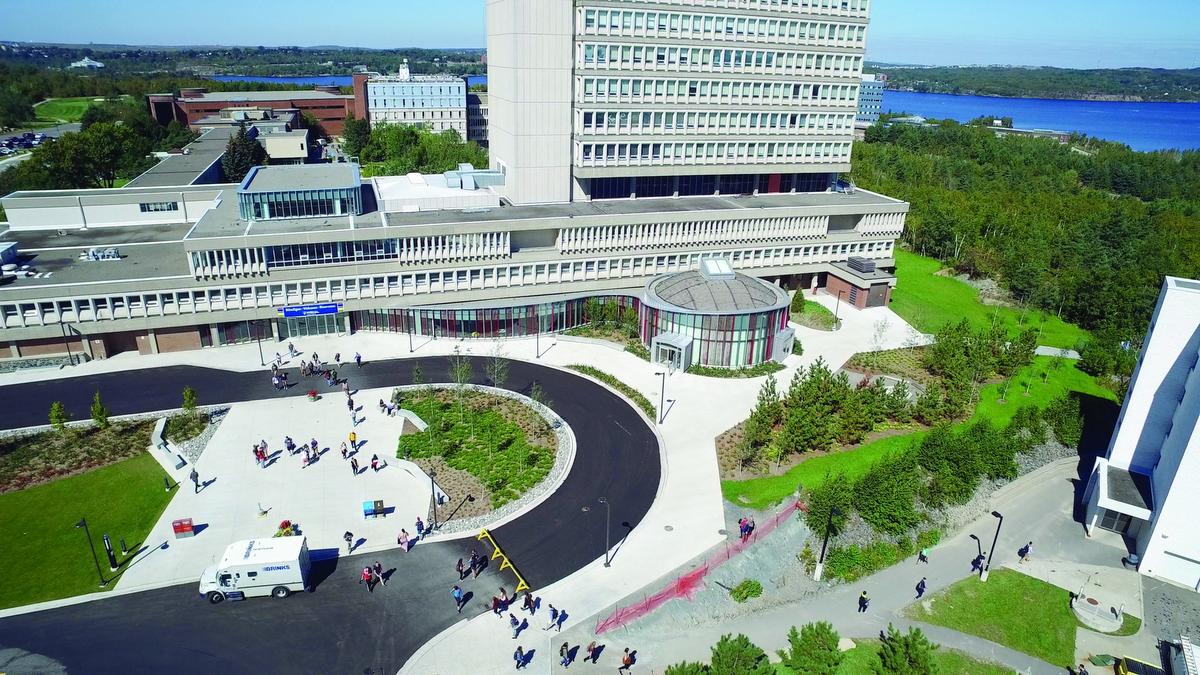
The Master of Science Communication program at Laurentian University is designed to equip students with the essential knowledge and skills to effectively engage audiences in science and scientific issues. This program emphasizes the development of theoretical foundations and practical experiences necessary for a successful career in science communication. Delivered in partnership with Science North, Canada’s second-largest science center, students benefit from experiential learning opportunities that enhance their understanding and application of science communication principles.
Program structure
The Master of Science Communication program offers two degree options: a Master's Degree and a Graduate Diploma. The program is structured as follows:
- Master's Degree in Science Communication: Completion time is from September to August, including a work placement and a Major Research Paper.
- Graduate Diploma: Completion time is from September to June, including a work placement.
Both options incorporate experiential learning, where students apply theoretical knowledge to real-world projects. The program includes:
- Practical components in each class to enhance learning.
- Collaborative projects with multidisciplinary teams.
- Internships that provide real-world experience and networking opportunities.
Students are also exposed to guest speakers from the field of science communication, enhancing their understanding of career opportunities and practical applications of their studies.
Featured Experiences
The Master of Science Communication program offers a variety of unique experiences that enrich the learning journey:
- Work Placements/Internships: An 8-week internship at an organization involved in science communication is a key component, providing students with invaluable real-world experience.
- Field Trips: Students participate in field trips to various organizations and events, exposing them to diverse communication styles and techniques.
- Guest Speakers: Weekly guest lecturers from the field of science communication provide insights into career opportunities and real-world applications of the theories taught in class.
- Collaborative Projects: Students work in multidisciplinary teams to develop multimedia assets based on best communication principles, often shared with public audiences.
Career Options
Graduates of the Master of Science Communication program can pursue a variety of career paths in Canada, including:
- Science Communicator: Develops and disseminates science-related content to engage and inform the public.
- Science Journalist: Reports on scientific developments and issues for media outlets, translating complex information into accessible stories.
- Public Engagement Coordinator: Designs and implements programs to engage the public with science through events and outreach activities.
- Exhibit Developer: Creates educational exhibits for museums and science centers, focusing on effective communication of scientific concepts.
- Digital Content Creator: Produces multimedia content for online platforms, utilizing digital tools to communicate science effectively.
These roles leverage the skills acquired during the program, preparing graduates to make significant contributions to the field of science communication.
DISCLAIMER: The information above is subject to change. For the latest updates, please contact LOA Portal's advisors.
Visit Laurentian University official website