Last updated on 2025-12-30




Program Overview
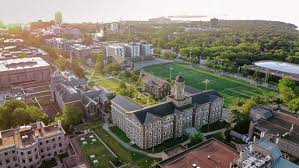
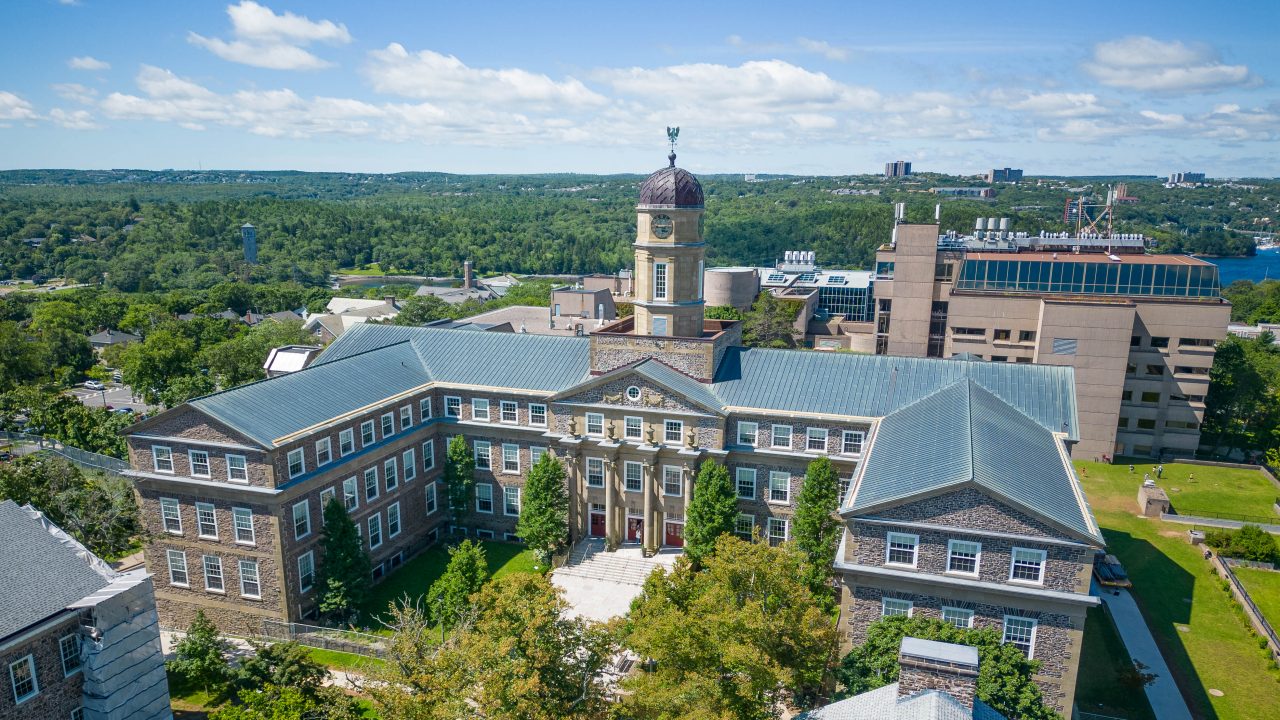
When you study Ocean Sciences at Dalhousie University, you will explore the intricate connections within ocean ecosystems. This program combines knowledge from various scientific disciplines, including biological, chemical, geological, and physical processes that shape our oceans. Located just steps away from the Atlantic Ocean, Dalhousie has established a global reputation for excellence in ocean education and research, making it an ideal place for students passionate about marine sciences.
Program Structure
The Ocean Sciences program at Dalhousie University offers a comprehensive curriculum designed to equip students with the necessary skills and knowledge to address pressing environmental challenges. The program is structured as follows:
- Program Length: Typically spans four years for a Bachelor’s degree.
- Program Options: Students can choose from various options, including Honours, Major, and Double Major.
- Field courses at sea, providing hands-on experience in oceanography.
- Independent research opportunities through the Honours program.
Students will engage in both laboratory and fieldwork, utilizing world-class research facilities to enhance their learning experience. The program starts in September and January, allowing flexibility for new students.
Featured Experiences
- Field courses at sea, such as the Introduction to Field Oceanography course.
- Hands-on laboratory work to complement theoretical knowledge.
- Independent research opportunities available through the Honours program.
- Access to world-class research facilities and resources.
- Engagement with leading experts in the field of ocean sciences.
Career Options
Graduating with a degree in Ocean Sciences opens up a variety of career paths in Canada. Here are some potential job options:
- Marine Technologist: Work on the development and application of technology for marine research and conservation.
- Renewable Energies Engineer: Focus on designing and implementing sustainable energy solutions related to ocean resources.
- Ocean Literacy Educator: Teach communities about ocean science and the importance of marine conservation.
- Climate Change Activist: Advocate for policies and practices that address climate change impacts on ocean ecosystems.
- Ocean Policy Analyst: Analyze and develop policies related to ocean management and sustainability.
An undergraduate degree in Ocean Sciences also serves as a strong foundation for pursuing advanced degrees in related fields, such as Master of Science (MSc) or Master of Marine Management (MMM).
DISCLAIMER: The information above is subject to change. For the latest updates, please contact LOA Portal's advisors.
Visit Dalhousie University official website