Last updated on 2025-12-30
Program Overview
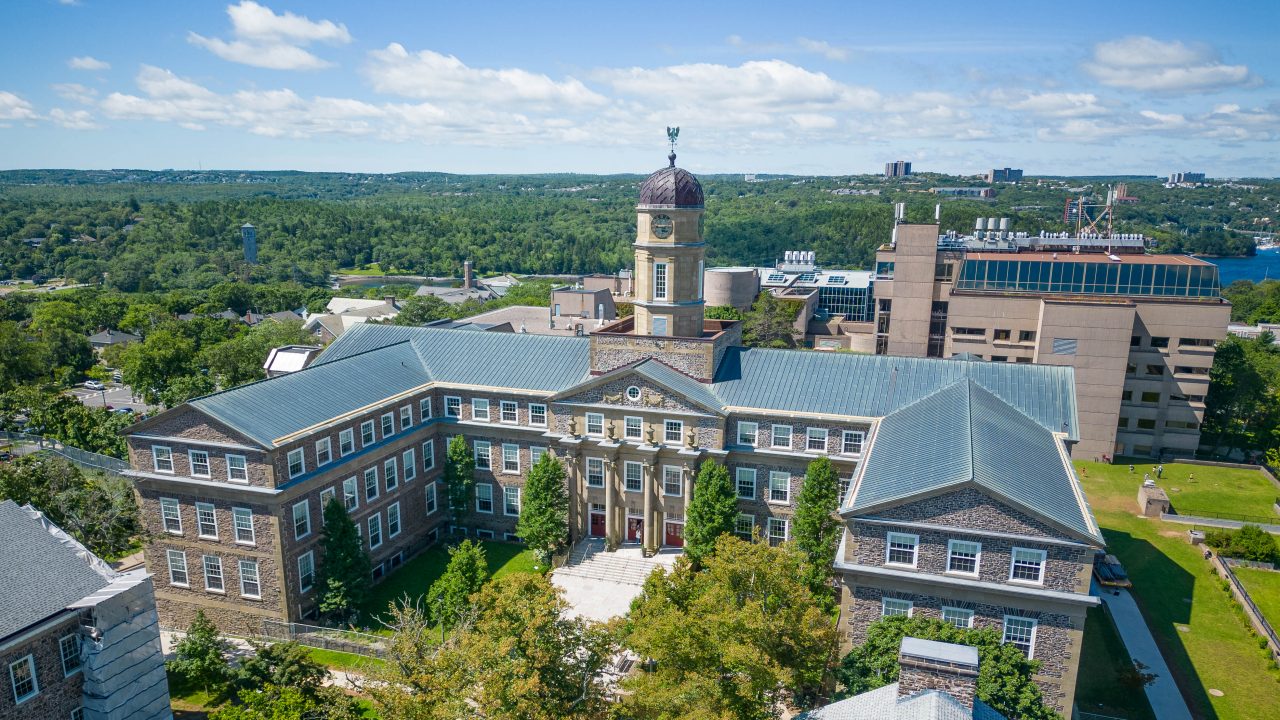
Dalhousie University's Environment, Sustainability, and Society program is designed to equip students with a comprehensive understanding of critical global issues such as energy, water, climate change, and population dynamics. This program emphasizes the interconnectedness of environmental challenges and their impact on society, preparing students to become informed leaders and advocates for sustainability. By engaging with complex topics, students will develop the skills necessary to address pressing environmental concerns and contribute positively to their communities and the world.
Program Structure
The Environment, Sustainability, and Society (ESS) program at Dalhousie University offers a flexible structure that allows students to tailor their educational experience according to their interests and career goals. The program options include:
- Combined Degree
- Honours
- Major
- Minor
The program length is typically four years, depending on the degree choice. Students can also benefit from various work-integrated learning opportunities, such as:
- Sustainability Co-op: Involves three work terms alternating with academic study terms, available to ESS Major/Honours students in the BA and BSc degrees.
- Sustainability Work Experience Program: Involves a single work term, available to ESS Major/Honours students in BA, BSc, and BCD degrees.
This structure not only enhances academic learning but also provides practical experience, making graduates well-prepared for their future careers.
Featured Experiences
The Environment, Sustainability, and Society program offers unique experiences that enrich the educational journey of its students. These include:
- Interdisciplinary Approach: Students explore how ESS topics relate to various industries, fostering a broader understanding of sustainability.
- Capstone Project: A culminating experience that allows students to apply their knowledge to real-world challenges.
- Work-Integrated Learning: Opportunities to gain relevant work experience while studying, enhancing employability.
- Collaboration with Diverse Disciplines: Students from various fields come together to learn about sustainability, promoting a rich exchange of ideas.
These experiences are designed to prepare students for impactful careers in sustainability and related fields.
Career Options
Graduates of the Environment, Sustainability, and Society program can pursue a wide range of career opportunities across various sectors. Some potential job roles include:
- Urban Planner: Develops plans and programs for land use in urban areas, focusing on sustainability and community needs.
- Architect: Designs buildings and structures with an emphasis on environmental sustainability and energy efficiency.
- Sustainability Consultant: Advises organizations on how to implement sustainable practices and reduce their environmental impact.
- Marine Biologist: Studies marine organisms and ecosystems, working to protect ocean health and biodiversity.
- Climate Change Researcher: Investigates the effects of climate change and develops strategies for mitigation and adaptation.
Other career paths may include roles such as Policy Analyst, Energy Advisor, and Conservationist, among others. The program's interdisciplinary nature equips graduates with the skills needed to excel in diverse fields related to sustainability and environmental stewardship.
DISCLAIMER: The information above is subject to change. For the latest updates, please contact LOA Portal's advisors.
Visit Dalhousie University official website