Last updated on 2026-03-19





Program Overview
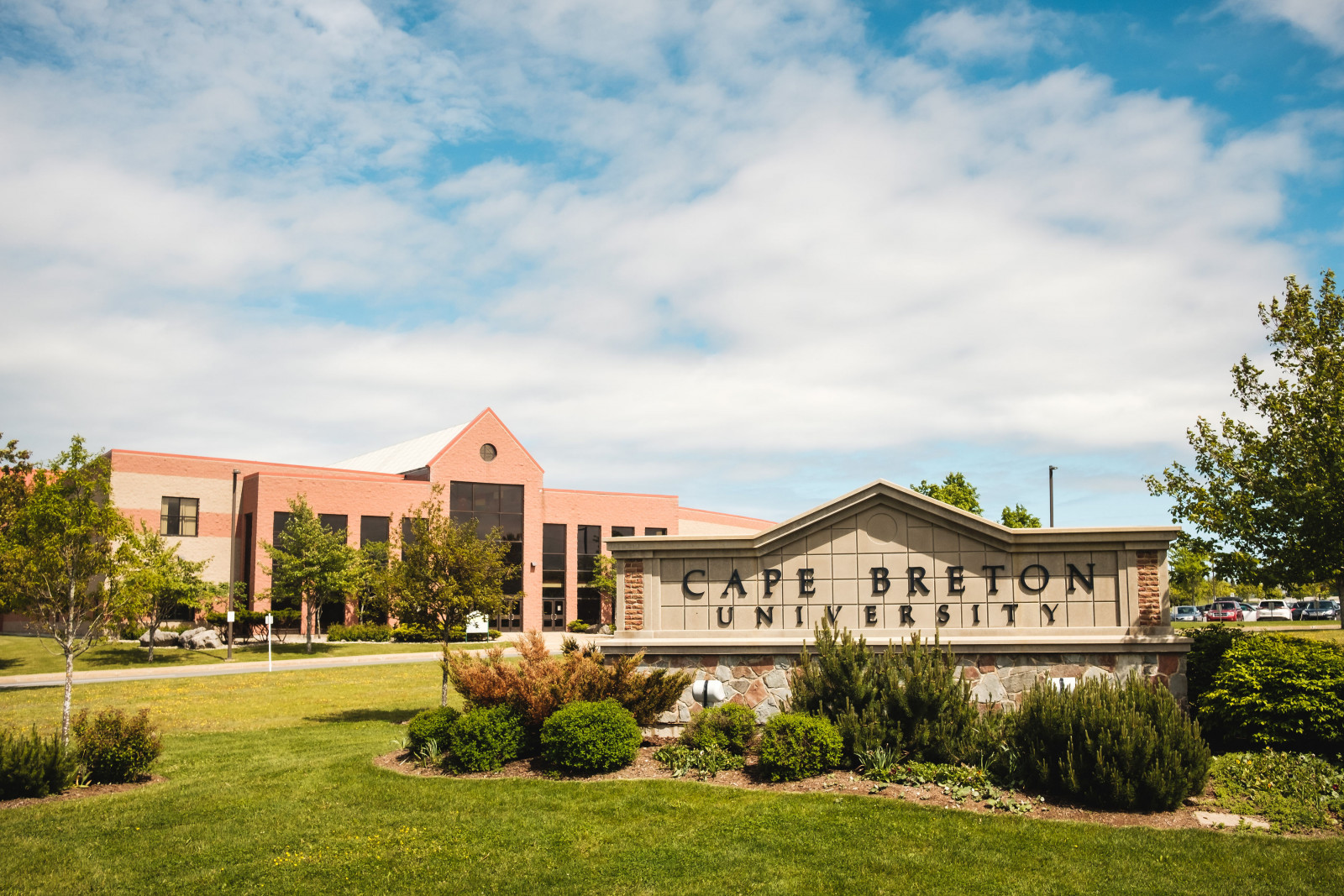
The Bachelor of Science in Biology at Cape Breton University (CBU) offers students a comprehensive understanding of living organisms and their interactions with the environment. This program emphasizes the diversity of life, exploring topics such as origins, structure, function, reproduction, growth, and evolution. Students will engage in collaborative learning environments, enhancing their educational experience through hands-on activities and field-based exercises. The program is designed to prepare graduates for various professional careers in fields such as conservation, health care, and education, while also providing a solid foundation for those interested in pursuing graduate studies.
Program Structure
The Bachelor of Science in Biology program at CBU is structured to provide a robust educational experience over a three-year period. The program includes:
- Hands-on laboratory components in over 85% of courses.
- Field-based exercises that connect students with the local environment.
- Opportunities for experiential learning through research projects.
- Options for co-op placements to gain practical experience.
Students will have the chance to specialize in various areas of biology, ensuring a well-rounded education that prepares them for diverse career paths.
Featured Experiences
The Bachelor of Science in Biology program offers unique experiences that enhance learning and practical application:
- Research projects that include snorkeling in tropical waters and examining marine life.
- Field studies in local ecosystems, such as the Cape Breton Highlands.
- Hands-on activities that take students outside the classroom to apply theoretical knowledge.
- Collaboration with faculty engaged in diverse research fields, including ecology and genetics.
These experiences not only enrich the academic journey but also foster a deeper connection with the natural world.
Career Options
Graduates of the Bachelor of Science in Biology program can pursue a variety of career paths in Canada, including:
- Biologist: Conduct research and analyze biological data to understand living organisms and their environments.
- Conservation Officer: Work to protect wildlife and natural resources through policy enforcement and education.
- Health Care Professional: Engage in roles that support public health, such as laboratory technicians or health educators.
- Environmental Consultant: Advise organizations on environmental best practices and sustainability initiatives.
- Educator: Teach biology at various educational levels, inspiring the next generation of scientists.
These career options reflect the diverse opportunities available to graduates, allowing them to make meaningful contributions to society and the environment.
DISCLAIMER: The information above is subject to change. For the latest updates, please contact LOA Portal's advisors.
Visit CBU - Cape Breton University official website