Last updated on 2026-03-19




Program Overview
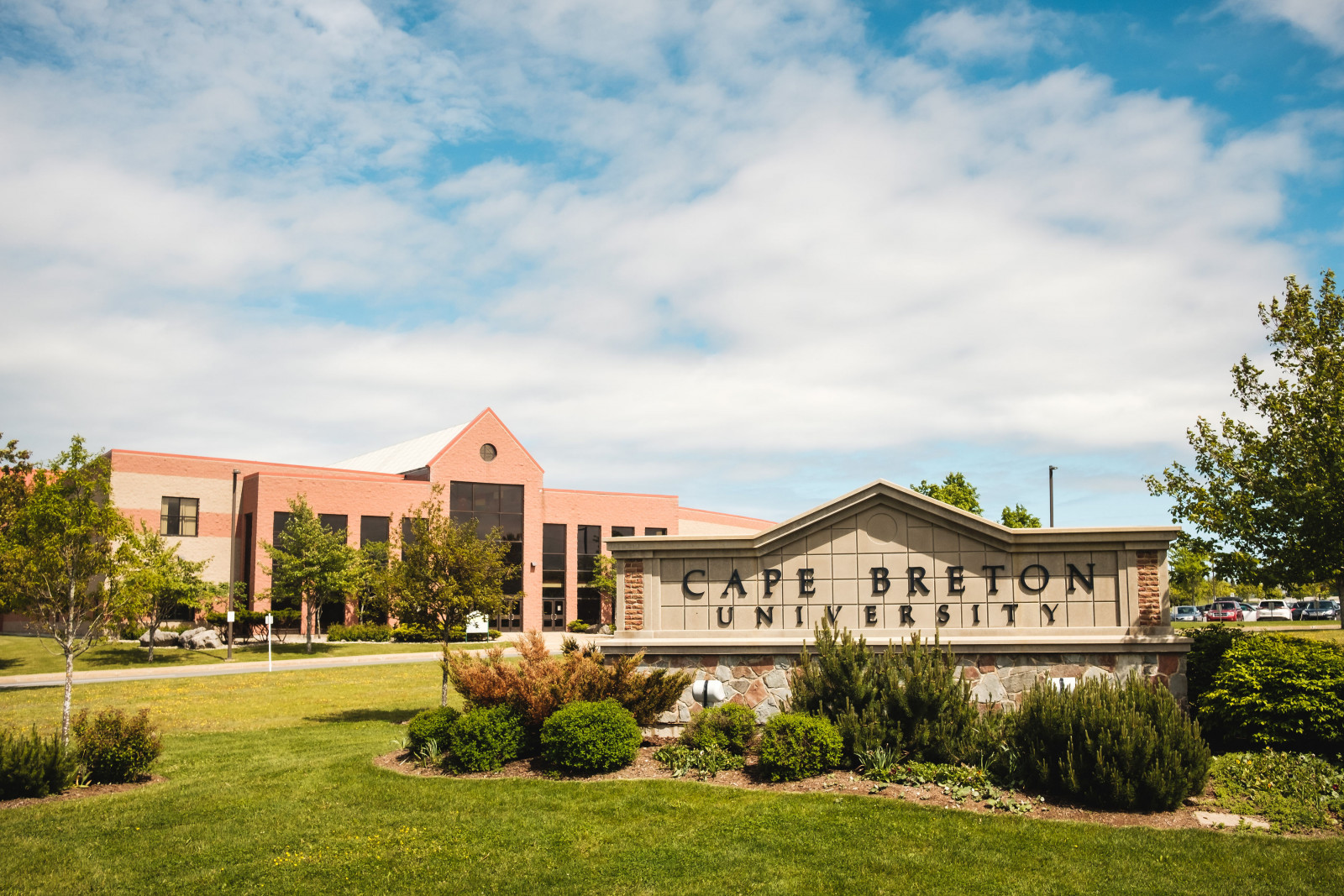
The Bachelor of Arts Community Studies - Folklore program at Cape Breton University offers students a unique opportunity to explore the rich tapestry of culture and traditions. This program emphasizes the study of informal culture, providing insights into how various groups operate within the world. Students will engage with folklore through various expressive forms such as stories, songs, festivals, and crafts. The program aims to foster a deeper understanding of cultural biases and promote inclusivity through the study of folklore.
Program Structure
The Bachelor of Arts Community Studies - Folklore program is designed to provide a comprehensive education in the field of folklore. The program length is four years, allowing students to delve deeply into both regional and thematic aspects of folklore. Key features of the program structure include:
- Courses focusing on regional folklore, particularly in Atlantic Canada.
- Emphasis on analytical approaches and ethnographic methods.
- Opportunities for experiential learning through internships and fieldwork.
- Access to advanced technological resources for conducting research.
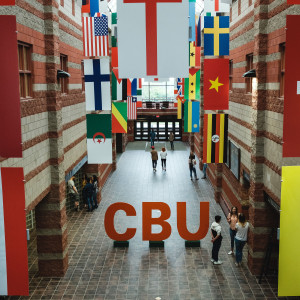
Students will also have the chance to participate in international exchange programs, enhancing their learning experience and cultural understanding.
Featured Experiences
The Bachelor of Arts Community Studies - Folklore program offers a variety of unique experiences that enrich the educational journey:
- Access to the Beaton Institute and Mi’kmaq Resource Centre for archival research.
- Internships with folkloric and archival materials at various institutions.
- Experiential learning units integrated into courses, such as attending the Celtic Colours International Festival.
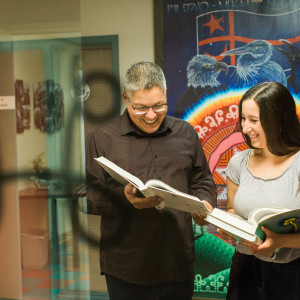
- Hands-on training in interviewing and ethnographic research techniques.
- Use of cutting-edge technology in the Digitization Lab for fieldwork and interviews.
Career Options
Graduates of the Bachelor of Arts Community Studies - Folklore program can pursue a variety of career paths in Canada, including:
- Museum Curator: Oversee collections, organize exhibitions, and educate the public about cultural heritage.
- Journalist: Report on cultural events and issues, providing insights into community stories and folklore.
- Historical Interpreter: Engage the public by recreating historical events and educating about cultural practices.
- Cultural Policy Developer: Work with government agencies to create policies that promote cultural heritage and tourism.
- Archivist: Manage and preserve historical documents and materials, ensuring access for future research.
These career options highlight the versatility and relevance of the skills acquired through the program, preparing students for meaningful contributions in various fields.
DISCLAIMER: The information above is subject to change. For the latest updates, please contact LOA Portal's advisors.
Visit CBU - Cape Breton University official website