Last updated on 2026-09-11














Program Overview
The Bachelor of Arts (Honours) in Criminology and Criminal Justice is designed to provide students with a comprehensive understanding of the field. This program includes a variety of courses that cover essential topics such as Criminology, Law, Psychology, and Sociology. Students have the opportunity to explore three optional concentrations, allowing them to focus on their specific interests in Law, Sociology, or Mind and Behaviour. This flexibility enables students to tailor their educational experience to align with their career aspirations.
Program Structure
The Bachelor of Arts (Honours) in Criminology and Criminal Justice program is structured as follows:
- Program Length: The program requires a total of 20.0 credits.
- Course Levels:
- 1000-level: Introductory courses in Criminology, Law, Psychology, and Sociology.
- 2000-level: Focus on Forensic Psychology, theories of criminal behavior, and Canadian Criminal Law.
- 3000-level: Specialized areas of criminology and criminal justice, including treatment of offenders and historical perspectives of crime.
- 4000-level: Completion of an Honours Thesis and advanced seminar courses.
- Field Placement: Students can complete a Field Placement Practicum in their 3rd or 4th year, which includes a seminar course for sharing experiences and discussing current issues in criminal justice.
- Electives: Students can choose elective courses from other subjects offered at the university, allowing for the addition of a minor if desired.
Featured Experiences
- Field Placement Practicum: Provides hands-on experience in the field, supplemented by a seminar course.
- Honours Thesis: Conducted under the supervision of faculty, allowing for in-depth research.
- Optional Concentrations: Tailor your studies to focus on Law, Sociology, or Mind and Behaviour.
- Guest Speakers: Opportunities to learn from experts in various areas of the criminal justice system during seminars.
Career Options
Graduates of the Bachelor of Arts (Honours) in Criminology and Criminal Justice can pursue a variety of career paths in Canada, including:
- Criminal Justice Policy Analyst: Analyze and develop policies related to crime and justice.
- Law Enforcement Officer: Work in various capacities within police departments or federal agencies.
- Probation Officer: Supervise offenders placed on probation and ensure compliance with court orders.
- Victim Advocate: Support and assist victims of crime in navigating the justice system.
- Researcher: Conduct research on crime trends, criminal behavior, and justice policies.
DISCLAIMER: The information above is subject to change. For the latest updates, please contact LOA Portal's advisors.
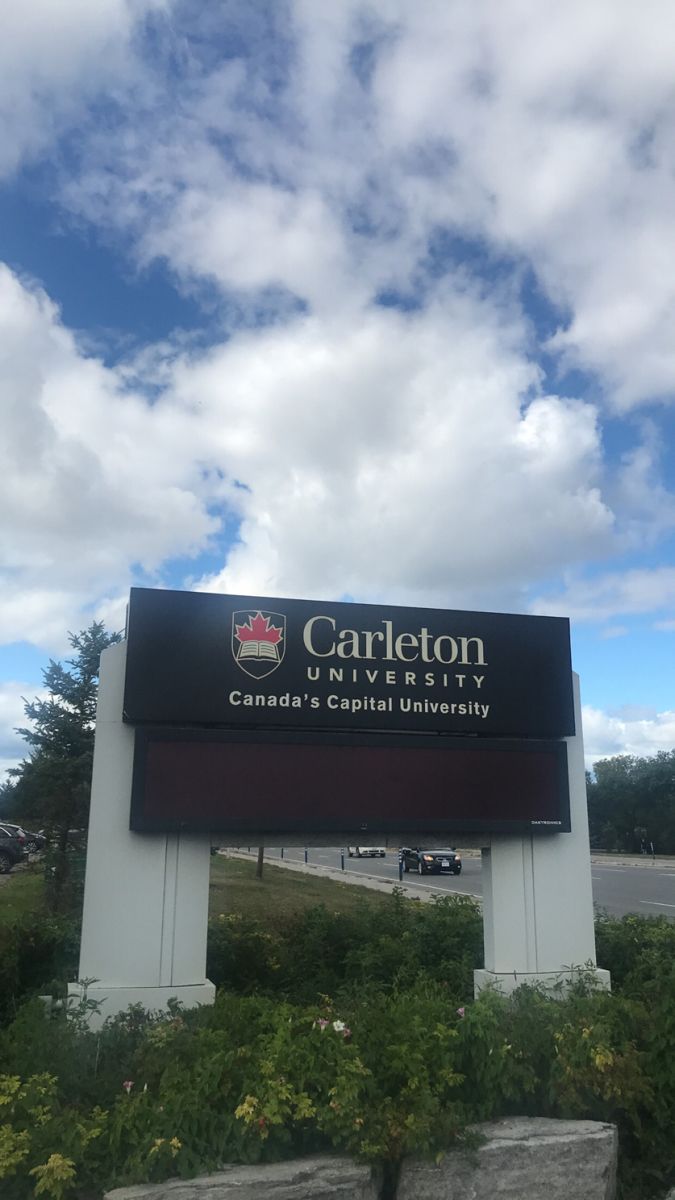
Visit Carleton University official website