Last updated on 2026-08-05

Program Overview
The History program at Algoma University is designed to cultivate a deep understanding of the past, enabling students to become active and informed citizens. By delving into historical events, students learn to make informed decisions in today's world, drawing on the rich tapestry of institutions, ideas, and relationships that have shaped our society over the centuries. The program emphasizes the importance of historical inquiry, encouraging students to explore the lived experiences of individuals and communities throughout history. This exploration reveals fascinating stories and compelling personalities, often leading to the realization that truth can be stranger than fiction.
Students engage in a dynamic learning environment where they can experience the thrill of research, sifting through archives, and making original discoveries. The faculty at Algoma University bring diverse interests and specializations into the classroom, offering a wide range of courses that cater to students' interests. From ancient civilizations to modern history, the curriculum is designed to align with popular areas of interest and the latest developments in historical scholarship. The program also emphasizes the significance of understanding various perspectives, including social, economic, and gendered viewpoints, which are crucial in analyzing historical events.
In addition to traditional coursework, students are encouraged to participate in hands-on learning experiences, fostering a close-knit community where faculty and students collaborate closely. The program prepares graduates for a variety of career paths, including law, education, journalism, and public history, among others. By equipping students with critical thinking and analytical skills, the History program at Algoma University not only enriches their understanding of the past but also prepares them for meaningful contributions to society.
Program Structure
The History program at Algoma University is structured to provide a comprehensive educational experience that spans various historical periods and themes. The program typically requires students to complete a four-year degree, accumulating a total of 120 credits. This structure allows students to explore a wide range of topics while developing essential skills in research, analysis, and communication.
Key features of the program structure include:
- Flexible Course Options: Students can choose from a variety of courses that cover different historical periods and themes, allowing them to tailor their education to their interests.
- Honours Research Thesis: Fourth-year students have the opportunity to conduct extensive research and present their findings, enhancing their analytical and presentation skills.
- Hands-on Learning: The program emphasizes experiential learning, encouraging students to engage with primary sources and historical documents.
- Community Engagement: Students are encouraged to participate in community-based projects and events, fostering a connection between historical study and real-world applications.
Additionally, the program offers opportunities for co-operative education and internships, allowing students to gain practical experience in fields related to history. This combination of academic rigor and practical experience prepares graduates for a wide range of career options in various sectors.
Featured Experiences
The History program at Algoma University offers several unique experiences that enhance the educational journey of its students. These experiences include:
- Hayes-Jenkinson Memorial Lecture Series: This biennial event features prominent speakers from various fields, providing students with the opportunity to engage with influential figures in history and related disciplines.
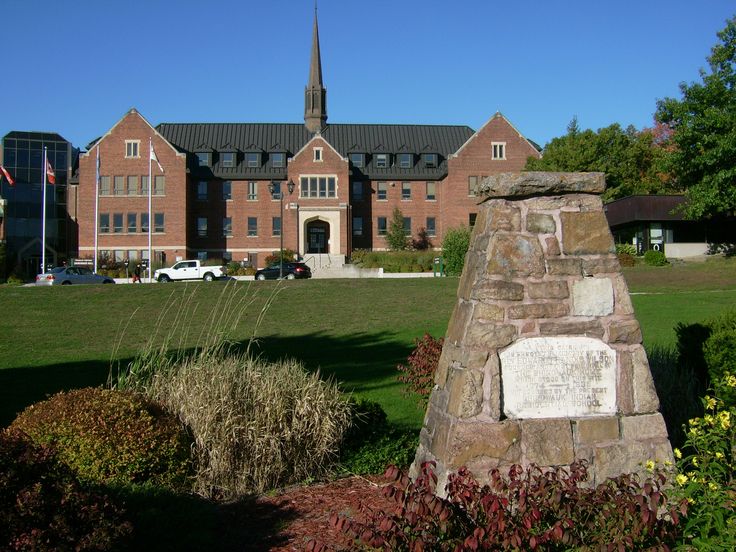
- Shingwauk Residential Schools Centre: Located on the historic site of the former Shingwauk Indian Residential School, this center offers students a unique perspective on Indigenous history and cross-cultural education.
- The History Society: A vibrant student-run club that organizes events, trips, and activities, fostering a sense of community among history students.
- Field Trips: Students have the opportunity to participate in trips to significant historical sites, enhancing their understanding of the material studied in class.
- Research Opportunities: Students can engage in research projects, often leading to publications and presentations, which are invaluable for their academic and professional development.
These experiences not only enrich the academic curriculum but also help students build connections within the historical community, preparing them for future endeavors.
Career Options
Graduates of the History program at Algoma University are well-prepared for a variety of career paths in Canada. Some potential job options include:
- Historian: Conduct research and analyze historical data to provide insights into past events and their impact on contemporary society.
- Educator: Teach history at various educational levels, fostering a love for the subject and critical thinking skills in students.
- Public Historian: Work in museums, archives, or historical sites, engaging the public with history through exhibitions and educational programs.
- Journalist: Utilize research and writing skills to report on historical events, cultural issues, and current affairs.
- Policy Analyst: Analyze historical data to inform public policy decisions, particularly in areas related to social justice and community development.
These career options highlight the versatility of a history degree, equipping graduates with the skills necessary to succeed in various fields while contributing to a deeper understanding of our past and its relevance to the present.
DISCLAIMER: The information above is subject to change. For the latest updates, please contact LOA Portal's advisors.
Visit Algoma University official website