Last updated on 2026-01-16





Program Overview
The University Certificate in Applied Science is designed for students who are interested in gaining foundational knowledge and skills in the field of applied science. This program is particularly beneficial for those looking to enhance their understanding of scientific principles and their practical applications in various industries. The curriculum emphasizes a hands-on approach, allowing students to engage in real-world problem-solving and project-based learning. Students will explore a variety of scientific disciplines, including physics, chemistry, and mathematics, which are essential for understanding complex scientific concepts. The program is structured to provide a comprehensive overview of applied science, preparing students for further studies or entry-level positions in related fields. With a focus on practical applications, students will have the opportunity to work on projects that address real-world challenges, making this program an excellent choice for those who are eager to apply their knowledge in meaningful ways. The program also encourages collaboration and teamwork, fostering a supportive learning environment where students can thrive. Overall, the University Certificate in Applied Science is an excellent stepping stone for those looking to advance their education or career in the sciences.
Program Structure
The University Certificate in Applied Science is structured to provide students with a solid foundation in scientific principles and practical applications. The program typically spans two years and consists of a total of 23 courses. The curriculum is designed to cover essential topics in applied science, ensuring that students gain a comprehensive understanding of the field. Key components of the program structure include:
- Program Length: 2 years
- Total Courses: 23 courses
- Credits: Each course typically carries a specific credit value, contributing to the overall credit requirement for the certificate.
- Hands-on Learning: The program emphasizes practical, hands-on experiences to reinforce theoretical knowledge.
- Capstone Project: Students may have the opportunity to engage in a capstone project that allows them to apply their learning to real-world challenges.
Additionally, students may have options for co-op placements or internships, providing valuable work experience and networking opportunities within the industry. This structure is designed to equip students with the skills and knowledge necessary to succeed in various applied science careers or to pursue further education in related fields.
Featured Experiences
The University Certificate in Applied Science offers several unique experiences that enhance the learning journey for students. These experiences are designed to provide practical applications of the knowledge gained throughout the program. Some of the featured experiences include:
- Hands-on Laboratory Work: Students will engage in laboratory sessions that allow them to apply theoretical concepts in a practical setting.
- Field Experiences: Opportunities to participate in fieldwork, providing real-world context to the scientific principles studied.
- Capstone Projects: Students may work on capstone projects that address real-world problems, allowing them to showcase their skills and knowledge.
- Co-op Opportunities: The program may offer co-op placements, enabling students to gain valuable work experience in the applied science field.
- Collaborative Learning: Students will have the chance to work in teams, fostering collaboration and communication skills essential for success in the workplace.
These experiences not only enrich the educational experience but also prepare students for future career opportunities in applied science and related fields.
Career Options
Graduates of the University Certificate in Applied Science can pursue a variety of career paths in Canada. The skills and knowledge gained through the program open doors to numerous opportunities in different sectors. Here are some potential career options:
- Aerospace Engineer: Design and develop aircraft, spacecraft, and related systems, ensuring they meet safety and performance standards.
- Biomedical Engineer: Work on the development of medical devices and technologies that improve patient care and health outcomes.
- Chemical Engineer: Apply principles of chemistry and engineering to design processes for producing chemicals, fuels, and other products.
- Civil Engineer: Plan, design, and oversee construction projects such as roads, bridges, and buildings, ensuring they are safe and sustainable.
- Environmental Engineer: Focus on solutions to environmental problems, including waste management, pollution control, and sustainable practices.
These career options highlight the versatility of the University Certificate in Applied Science, equipping graduates with the skills needed to thrive in various industries and contribute to advancements in science and technology.
DISCLAIMER: The information above is subject to change. For the latest updates, please contact LOA Portal's advisors.
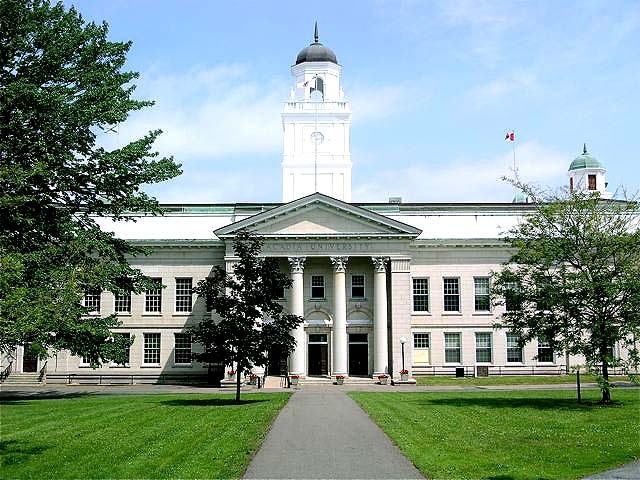
Visit Acadia University official website