Last updated on 2026-01-16


Program overview
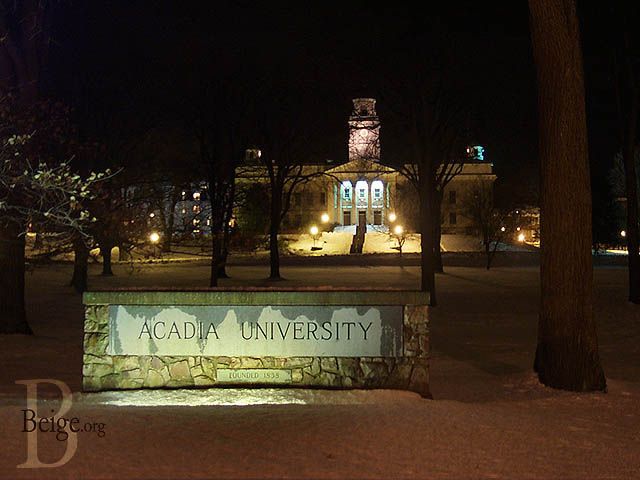
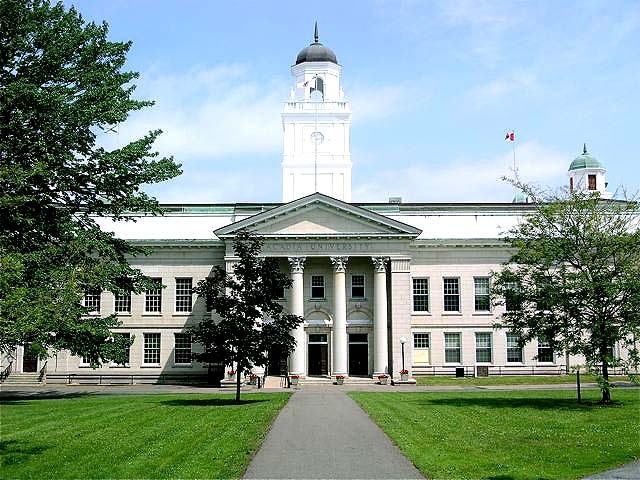
The Bachelor of Community Development - Environmental and Sustainability Studies program at Acadia University is designed to equip students with a comprehensive understanding of both natural and human environments. This program emphasizes the importance of leading change towards a more sustainable, just, and socially responsible world. Students will engage in hands-on learning experiences that prepare them for diverse careers in non-profit organizations, government agencies, and various sectors focused on sustainability and community development.
Program structure
The Bachelor of Community Development - Environmental and Sustainability Studies program is structured to provide a well-rounded education over a four-year period. The program includes:
- Hands-on learning opportunities through community engagement and projects.
- A foundational camp experience in the first term to build community and teamwork skills.
- A capstone community sustainability project in the final year, allowing students to apply their knowledge to real-world challenges.
- Options for co-op placements, providing practical work experience in the field.
This program offers various pathways, including options for a Bachelor of Arts or a Bachelor of Community Development, as well as honours programs. Students can also pursue a second major, enhancing their educational flexibility.
Featured Experiences
- Field trips and a First Year Experience camp to foster community and practical learning.
- Active participation in the ESST Student Society, promoting student engagement and leadership.
- Opportunities to work closely with faculty on meaningful research projects throughout the degree.
- Paid summer research positions available for students to gain practical experience.
- Hands-on learning in the stunning Annapolis Valley, an ideal setting for exploring environmental sustainability.
Career Options
Graduates of the Bachelor of Community Development - Environmental and Sustainability Studies program can pursue a variety of career paths in Canada, including:
- Climate Adaptation Specialist: Focuses on developing strategies to help communities adapt to climate change impacts.
- Environmental Policy Analyst: Works with government and organizations to analyze and develop policies related to environmental issues.
- Sustainability Coordinator: Implements sustainability initiatives within organizations to reduce environmental impact.
- Parks and Natural Area Manager: Oversees the management and conservation of parks and natural resources.
- Corporate Sustainability Officer: Leads corporate efforts to integrate sustainable practices into business operations.
- Environmental Educator: Teaches communities about environmental issues and sustainable practices.
- Renewable Energy Project Manager: Manages projects focused on developing and implementing renewable energy solutions.
- Researcher: Conducts research on sustainability practices and environmental issues.
DISCLAIMER: The information above is subject to change. For the latest updates, please contact LOA Portal's advisors.
Visit Acadia University official website