Last updated on 2026-01-16


Program Overview
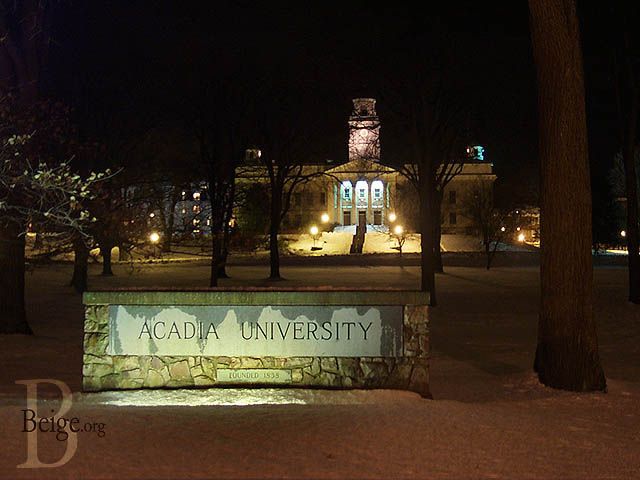
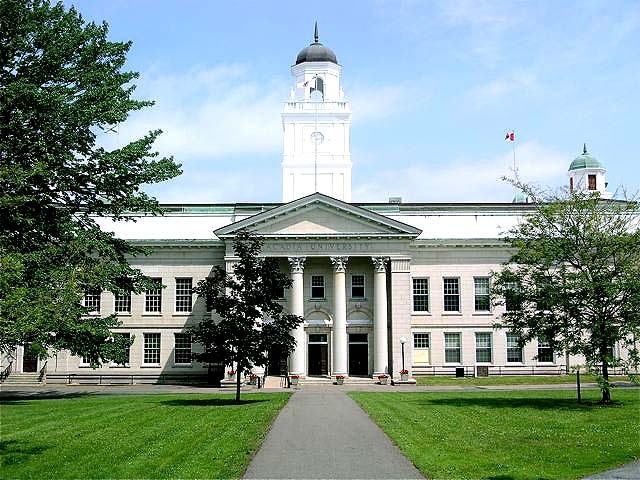
The Bachelor of Arts in History at Acadia University is designed for students who are passionate about understanding the past and its impact on the present and future. This program emphasizes the importance of historical knowledge in various fields, including education, government, law, and journalism. Students will engage in small class settings, allowing for personalized attention and fostering a collaborative learning environment. The curriculum is structured to develop critical analytical skills and enhance writing abilities, which are essential for success in any career path. By studying diverse historical contexts, students will gain insights into the political, social, and cultural dynamics that have shaped societies across the globe. The program also encourages students to explore specialized topics such as the history of women, revolutions, and material culture, providing a comprehensive understanding of the multifaceted nature of history. Graduates will emerge with a well-rounded education that prepares them for various professional opportunities or further academic pursuits.
Program Structure
The Bachelor of Arts in History program at Acadia University is structured to be completed over a four-year period, encompassing a total of 120 credit hours. The program includes:
- Core history courses that provide foundational knowledge in historical methods and theories.
- Elective courses that allow students to tailor their education according to their interests, totaling 21 credit hours.
- Opportunities for experiential learning through options such as co-op placements and study abroad programs, enhancing practical skills and global perspectives.
Students are required to complete a minimum of 9 credit hours in 1000-level history courses, alongside additional electives that can be chosen from various disciplines. This structure not only ensures a comprehensive understanding of history but also allows for interdisciplinary exploration, preparing students for a wide range of career paths.
Featured Experiences
- Co-op Opportunities: Students can gain practical experience through co-op placements, allowing them to apply their historical knowledge in real-world settings.
- Study Abroad: The program encourages students to broaden their horizons by studying history in different cultural contexts around the world.
- Community Engagement: Students are involved in community projects that connect historical study with contemporary issues, fostering a sense of social responsibility.
- Research Opportunities: Students have access to specialized research centers, such as Acadia’s New England Planter Studies Centre, enhancing their academic experience.
Career Options
Graduating with a Bachelor of Arts in History opens up a variety of career paths in Canada, including:
- Historian: Conduct research and analyze historical data to contribute to the understanding of past events.
- Archivist: Manage and preserve historical documents and records, ensuring they are accessible for future generations.
- Teacher: Educate students about history at various educational levels, fostering a love for the subject.
- Policy Analyst: Use historical insights to inform and shape public policy decisions in government or non-profit organizations.
- Journalist: Report on historical events and their implications, providing context and analysis for contemporary issues.
These career options highlight the versatility of a history degree, equipping graduates with valuable skills applicable in numerous fields.
DISCLAIMER: The information above is subject to change. For the latest updates, please contact LOA Portal's advisors.
Visit Acadia University official website