Last updated on 2026-10-05









Program overview
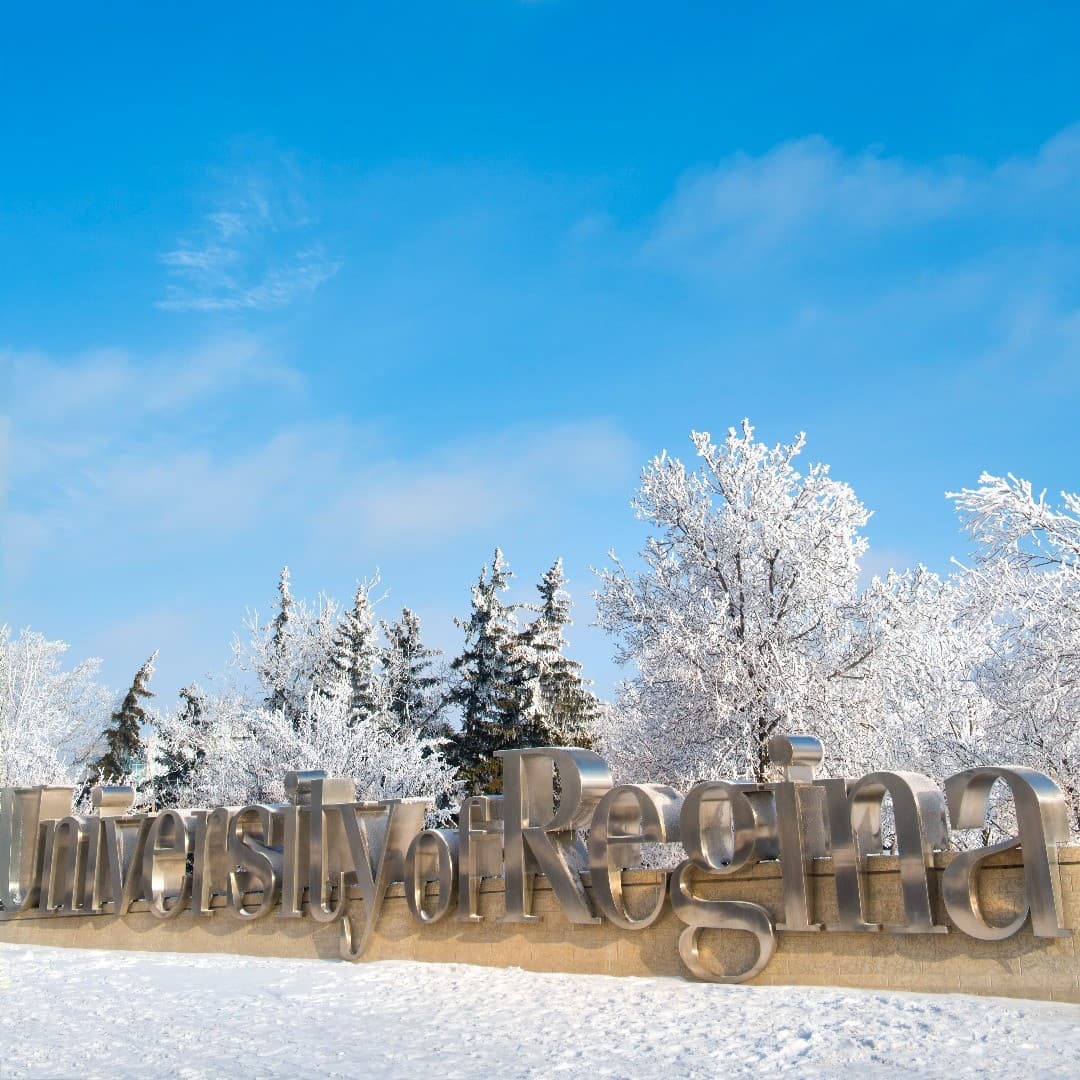
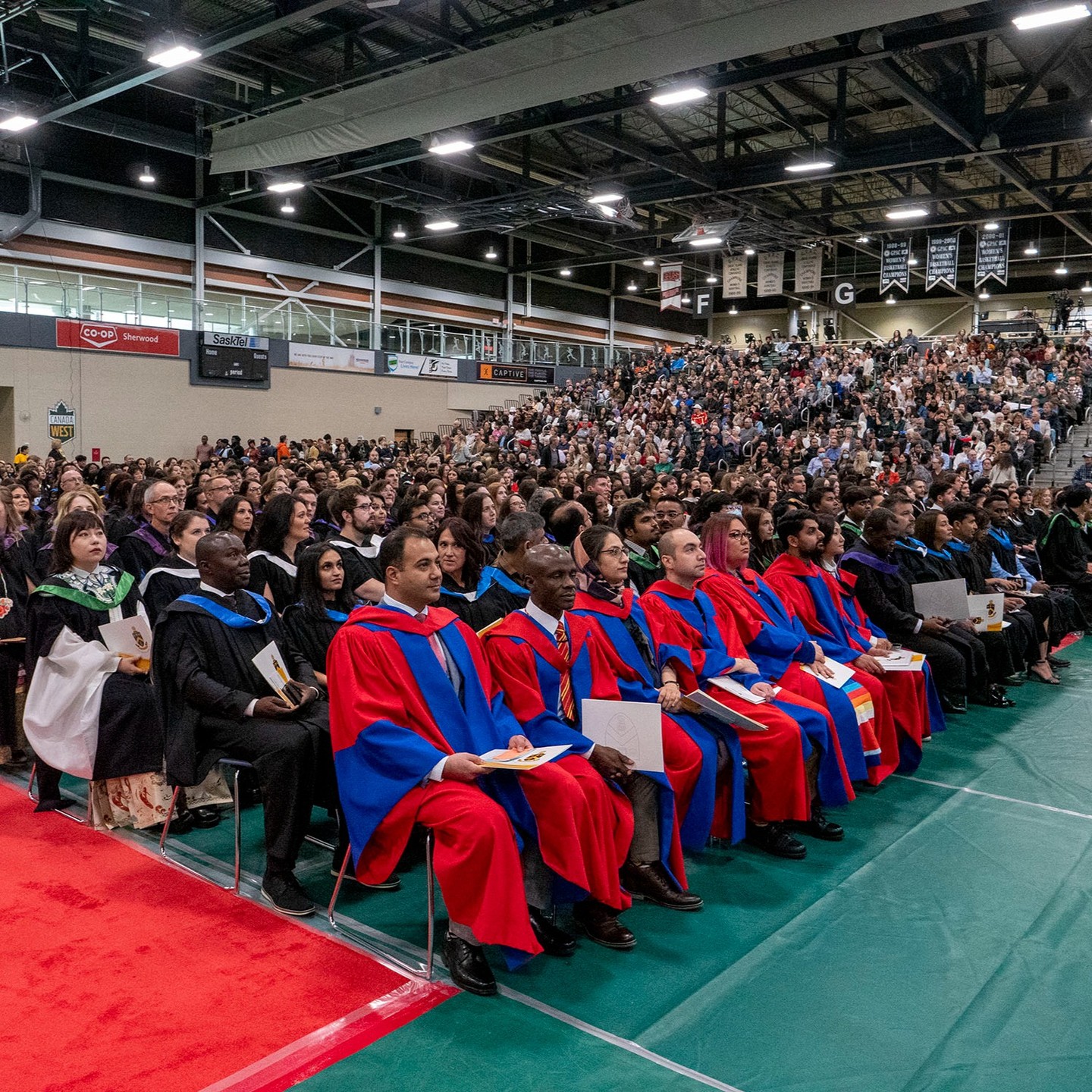
The Doctor of Philosophy (PhD) in Earth Sciences at the University of Regina is designed for students who aspire to advance their knowledge and research skills in the field of Earth Sciences. This program emphasizes hands-on training and close collaboration with expert faculty members, providing students with the opportunity to engage in significant research activities. Graduates of this program are recognized nationally and internationally, and they are eligible to register with professional geoscientific societies in Canada. The program prepares students for a variety of career paths in academia, industry, and government, equipping them with the skills necessary to address critical resource and environmental issues.
Program structure
The Doctor of Philosophy (PhD) in Earth Sciences program at the University of Regina has a program length of 4 years. The structure of the program includes:
- Close collaboration with faculty supervisors on research projects.
- Hands-on training opportunities in both laboratory and field settings.
- Access to specialized research facilities and equipment.
- Opportunities for teaching assistantships to gain mentoring experience.
- Internship options co-funded by industry partners to enhance practical skills.
Students will engage in various research activities, focusing on areas such as hard rock and soft rock studies, geofluids, and environmental geoscience. The program also emphasizes the importance of building connections with industry and government agencies, which can lead to valuable employment opportunities after graduation.
Featured Experiences
The Doctor of Philosophy (PhD) in Earth Sciences program offers a variety of unique experiences that enhance the educational journey:
- Internships: Many students participate in industry internship projects, gaining practical experience and networking opportunities.
- Teaching Assistantships: Graduate students mentor undergraduate students, developing transferable skills for future careers.
- Community Service Learning: Students engage in outreach activities, sharing Earth science knowledge with local schools and organizations.
- Research Collaboration: Strong partnerships with the Saskatchewan Geological Survey and industry provide hands-on learning opportunities.
- Access to Specialized Labs: Students utilize various research laboratories equipped with advanced technology for their projects.
These experiences not only enrich the academic environment but also prepare students for successful careers in the geosciences.
Career Options
Graduates of the Doctor of Philosophy (PhD) in Earth Sciences program have a wide range of career options in Canada, including:
- Petroleum Geologist: Specializes in the exploration and extraction of oil and gas resources.
- Environmental Scientist: Works on assessing and mitigating environmental impacts related to geological activities.
- Seismologist: Studies seismic waves to understand earthquakes and the Earth's internal structure.
- Mineral Surveyor: Conducts surveys to locate and assess mineral resources for extraction.
- Hydrogeologist: Focuses on groundwater resources, studying their distribution, movement, and quality.
- Oceanographer: Investigates ocean processes and their interactions with the Earth's geology.
- Engineering Geologist: Applies geological knowledge to engineering projects, ensuring stability and safety.
- Research Geologist: Engages in academic or governmental research to advance knowledge in Earth sciences.
These roles highlight the diverse opportunities available to graduates, allowing them to contribute significantly to the field of geosciences and address pressing environmental challenges.
DISCLAIMER: The information above is subject to change. For the latest updates, please contact LOA Portal's advisors.
Visit UOR - University Of Regina official website