Last updated on 2026-10-05

Program Overview
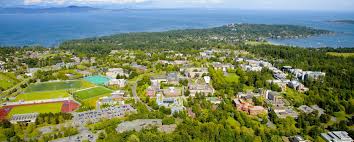
The Master of Engineering in Industrial Ecology (MEng) at the University of Victoria is a project-based program designed to equip students with a comprehensive understanding of sustainable development. This program emphasizes research-intensive and interdisciplinary work, focusing on the complexities of sustainability in various contexts. Students will engage in a graduate project in industrial ecology during their final term, allowing them to apply their knowledge in practical scenarios. The program is tailored for those who are passionate about making a positive impact on the environment through innovative solutions.
Program Structure
The MEng in Industrial Ecology is structured to provide a robust educational experience over a 1-year period. The program is delivered on-campus and offers the following features:
- Project-based learning with no thesis requirement.
- Full-time study options available.
- Emphasis on sustainability-focused research.
- Interdisciplinary approach to learning.
Students will have the opportunity to explore various aspects of industrial ecology, including energy and material flows, environmental impacts, and systems for material reuse and recycling. This program is ideal for those looking to deepen their understanding of the environmental and economic implications of industrial practices.
Featured Experiences
The MEng in Industrial Ecology offers several unique experiences that enhance the learning journey:
- Hands-on graduate project in industrial ecology during the final term.
- Research-intensive curriculum that encourages innovative thinking.
- Interdisciplinary collaboration with peers from various fields.
- Opportunities to apply systems approaches to real-world environmental challenges.
These experiences are designed to prepare students for impactful careers in sustainability and environmental management.
Career Options
Graduates of the MEng in Industrial Ecology can pursue a variety of career paths in Canada, including:
- Environmental Consultant: Advises organizations on how to minimize their environmental impact and comply with regulations.
- Sustainability Manager: Develops and implements sustainability strategies within organizations to promote eco-friendly practices.
- Industrial Ecologist: Analyzes and optimizes material and energy flows in industrial systems to enhance sustainability.
- Policy Analyst: Evaluates and develops policies related to environmental sustainability and resource management.
- Research Scientist: Conducts research on environmental impacts and sustainable practices, contributing to academic and industry knowledge.
These roles highlight the diverse opportunities available to graduates, allowing them to make significant contributions to sustainability efforts across various sectors.
DISCLAIMER: The information above is subject to change. For the latest updates, please contact LOA Portal's advisors.
Visit University of Victoria official website