Last updated on 2026-10-05

Program overview
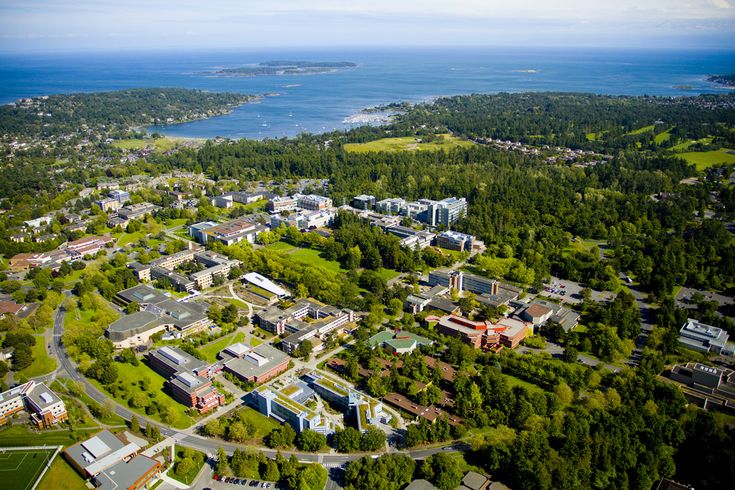
The Doctor of Philosophy in Earth and Ocean Sciences at the University of Victoria is designed for students who are eager to engage in innovative research within a dynamic learning environment. This program emphasizes a multidisciplinary approach, allowing students to explore various fields such as geology, geophysics, oceanography, and climate sciences. Throughout their studies, students will prepare a final dissertation that showcases their research focus and contributions to the field. The program is structured to include both coursework and a candidacy exam, ensuring that graduates are well-prepared to advance knowledge in Earth and Ocean Sciences.
Program structure
The Earth and Ocean Sciences PhD program at the University of Victoria has a structured approach to ensure comprehensive learning and research development. The key features of the program include:
- Program Length: 4 years
- Study Options: Full-time study
- Program Delivery: On-campus
- Dynamic Learning: Co-op optional
Students will work closely with a faculty member who serves as their academic supervisor. It is essential for applicants to identify a potential supervisor whose research aligns with their interests and to secure their agreement to supervise their work. This collaborative approach enhances the research experience and fosters a supportive academic environment.
Featured Experiences
The Earth and Ocean Sciences PhD program offers several unique features that enhance the educational experience:
- Opportunity to engage in integrated multidisciplinary research.
- Access to a diverse community of researchers and faculty members.
- Involvement in innovative projects that contribute to the understanding of Earth and ocean systems.
- Optional co-op program to gain practical experience in the field.
- Research supplemented by coursework and a candidacy exam.
Career Options
Graduates of the Earth and Ocean Sciences PhD program can pursue a variety of career paths in Canada, including:
- Research Scientist: Conducts advanced research in Earth and ocean sciences, contributing to scientific knowledge and innovation.
- Environmental Consultant: Provides expert advice on environmental issues, helping organizations comply with regulations and implement sustainable practices.
- Climate Change Analyst: Analyzes data related to climate change and develops strategies to mitigate its impacts on ecosystems and communities.
- Geophysicist: Studies the physical properties of the Earth, using techniques such as seismic analysis to understand geological processes.
- Oceanographer: Investigates ocean systems, including marine life, currents, and chemical processes, to inform conservation efforts and policy decisions.
DISCLAIMER: The information above is subject to change. For the latest updates, please contact LOA Portal's advisors.
Visit University of Victoria official website