Last updated on 2026-10-05

Program overview
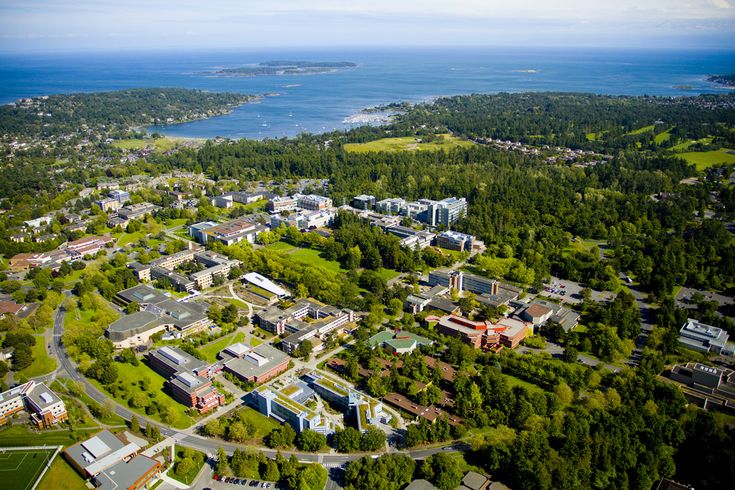
The Doctor of Philosophy in Biology at the University of Victoria is a research-intensive program designed for students who are passionate about advancing their knowledge in the field of biology. As a PhD candidate, you will engage in vital research while working on your dissertation. The program emphasizes the development of critical thinking and research skills, allowing you to evaluate methodologies and design biological studies effectively. You will also have the opportunity to connect with scientific institutes, such as the Bamfield Marine Sciences Centre, enhancing your academic experience and professional network.
Program structure
The PhD in Biology program is structured to provide a comprehensive educational experience over a period of 4-5 years. The program includes:
- Research dissertation guided by a faculty supervisor
- Coursework and participation in a symposium
- Candidacy exams and an oral defense of your dissertation
This program is offered on-campus and is available for full-time study. Additionally, there is an optional co-op component that allows students to gain practical experience in their field. The combination of rigorous academic training and hands-on research prepares graduates for a successful career in various biological sciences.
Featured Experiences
- Research dissertation with guidance from a faculty supervisor
- Opportunity to connect with scientific institutes, such as the Bamfield Marine Sciences Centre
- Participation in a symposium to present research findings
- Optional co-op program for practical experience
- Candidacy exams and oral defense to enhance research skills
Career Options
- Research Scientist: Conduct experiments and analyze data to advance knowledge in biological sciences.
- University Professor: Teach and mentor students while conducting independent research in biology.
- Biotechnology Consultant: Provide expertise to companies developing biological products and technologies.
- Environmental Scientist: Assess and develop strategies to protect the environment and biodiversity.
- Science Communicator: Translate complex scientific concepts into accessible information for the public and stakeholders.
DISCLAIMER: The information above is subject to change. For the latest updates, please contact LOA Portal's advisors.
Visit University of Victoria official website