Program overview
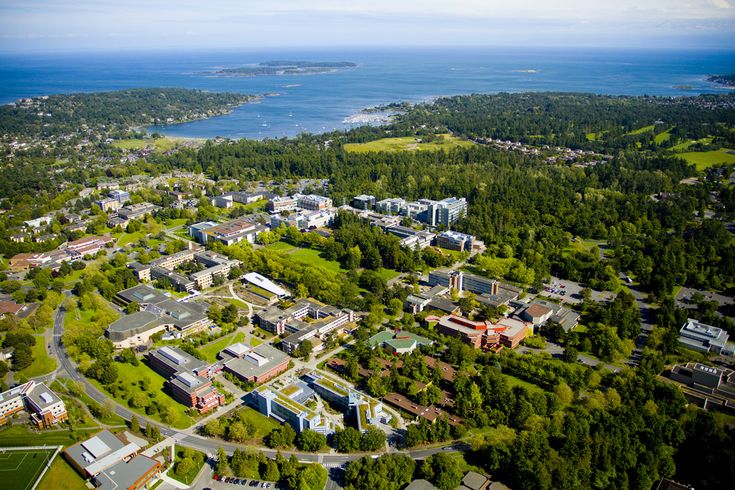
The Bachelor of Arts in Environmental Studies at the University of Victoria is designed to equip students with the knowledge and skills necessary to tackle real-world environmental challenges. From the very first year, students engage with pressing ecological issues, exploring how human activities impact ecosystems and discovering ways to foster sustainable solutions. This interdisciplinary program integrates ecological science, social insights, and Indigenous perspectives, ensuring a comprehensive understanding of environmental dynamics. Students will gain practical experience through community-based research and hands-on fieldwork, preparing them for impactful careers in sustainability and environmental policy.
Program structure
The BA in Environmental Studies is structured to provide a robust educational experience over a four-year period. Students will engage in a variety of learning formats, including:
- Hands-on fieldwork across Vancouver Island and beyond
- Community-based research projects
- Opportunities for co-op placements and internships
- Applied research initiatives
This program encourages students to combine their major with another degree program, allowing for a double major or an honours/major combination. The curriculum is designed to foster skills in communication, collaboration, and systems thinking, essential for addressing complex environmental issues. Students can also choose specializations such as Ethnoecology, Ecological Restoration, and Political Ecology, enhancing their educational journey.
Featured Experiences
The Environmental Studies program at UVic offers a variety of unique experiences that enrich the learning process:
- Co-op Program: Students can participate in paid, career-related positions that provide practical experience and count towards their degree.
- Field Schools: Opportunities to study in diverse environments, including:
- Farm to Plate (Vancouver Island): Focus on food systems and sustainability.
- Field Methods in Ethnoecology (Chatham Island): Explore relationships between people and ecosystems.
- Coastal-marine Conservation: Hands-on learning aboard the schooner Passing Cloud.
- Peru Field School: Study ecology, economy, and Indigenous spirituality in a global context.
- Community Engagement Option: Work directly with local organizations on real projects, fostering ethical and respectful collaboration.
Career Options
Graduates of the BA in Environmental Studies can pursue a variety of career paths in Canada, including:
- Sustainability Coordinator: Develop and implement sustainability initiatives within organizations.
- Environmental Impact Assessment Officer: Evaluate the potential environmental impacts of proposed projects and policies.
- Urban or Regional Planner: Design and implement plans for land use and community development.
- Natural Resources Specialist: Manage and protect natural resources, ensuring sustainable use and conservation.
- Climate Action Campaigner: Advocate for policies and practices that address climate change and promote environmental justice.
DISCLAIMER: The information above is subject to change. For the latest updates, please contact LOA Portal's advisors.
Visit University of Victoria official website