Last updated on 2026-01-16







Program overview
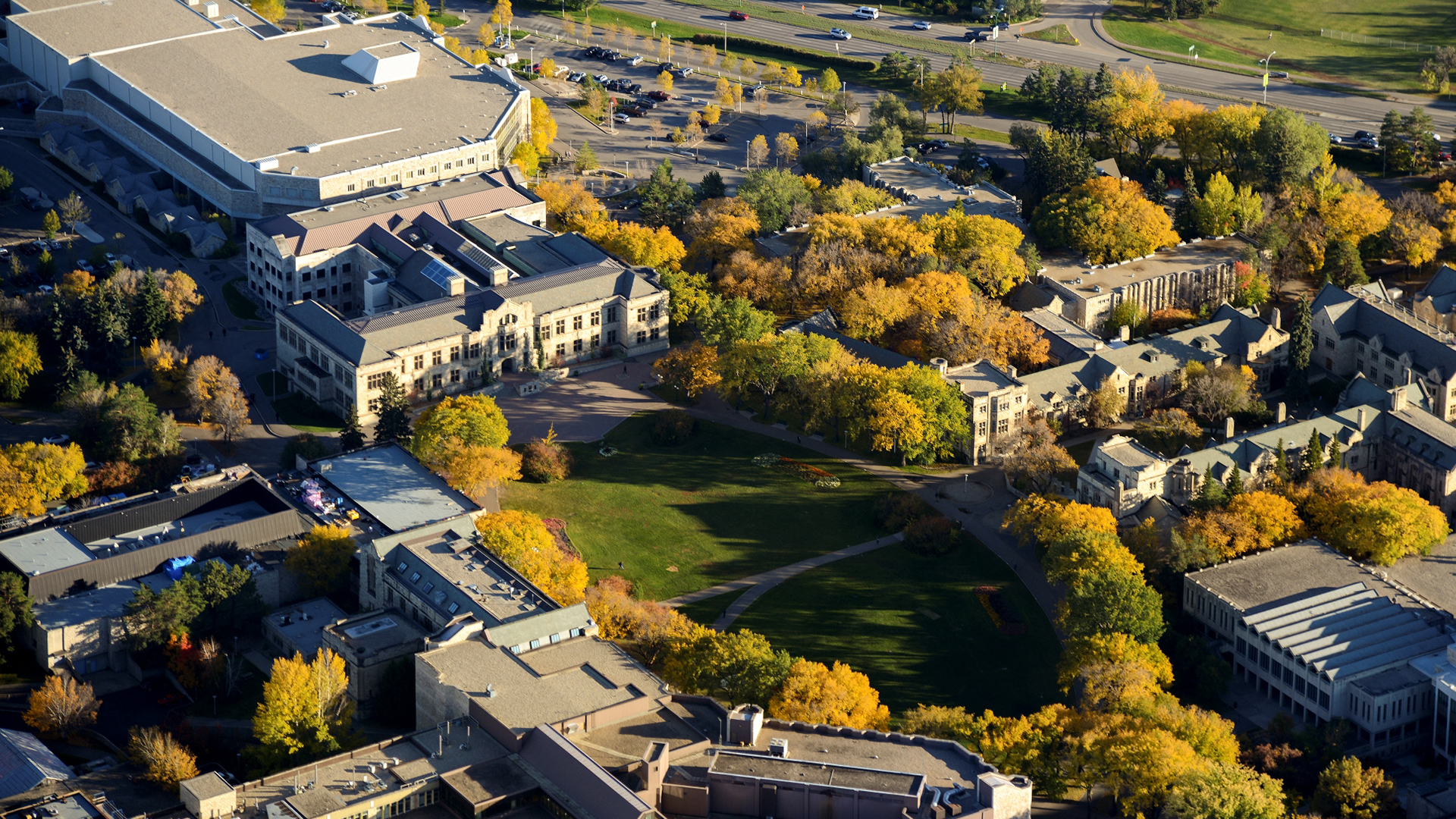
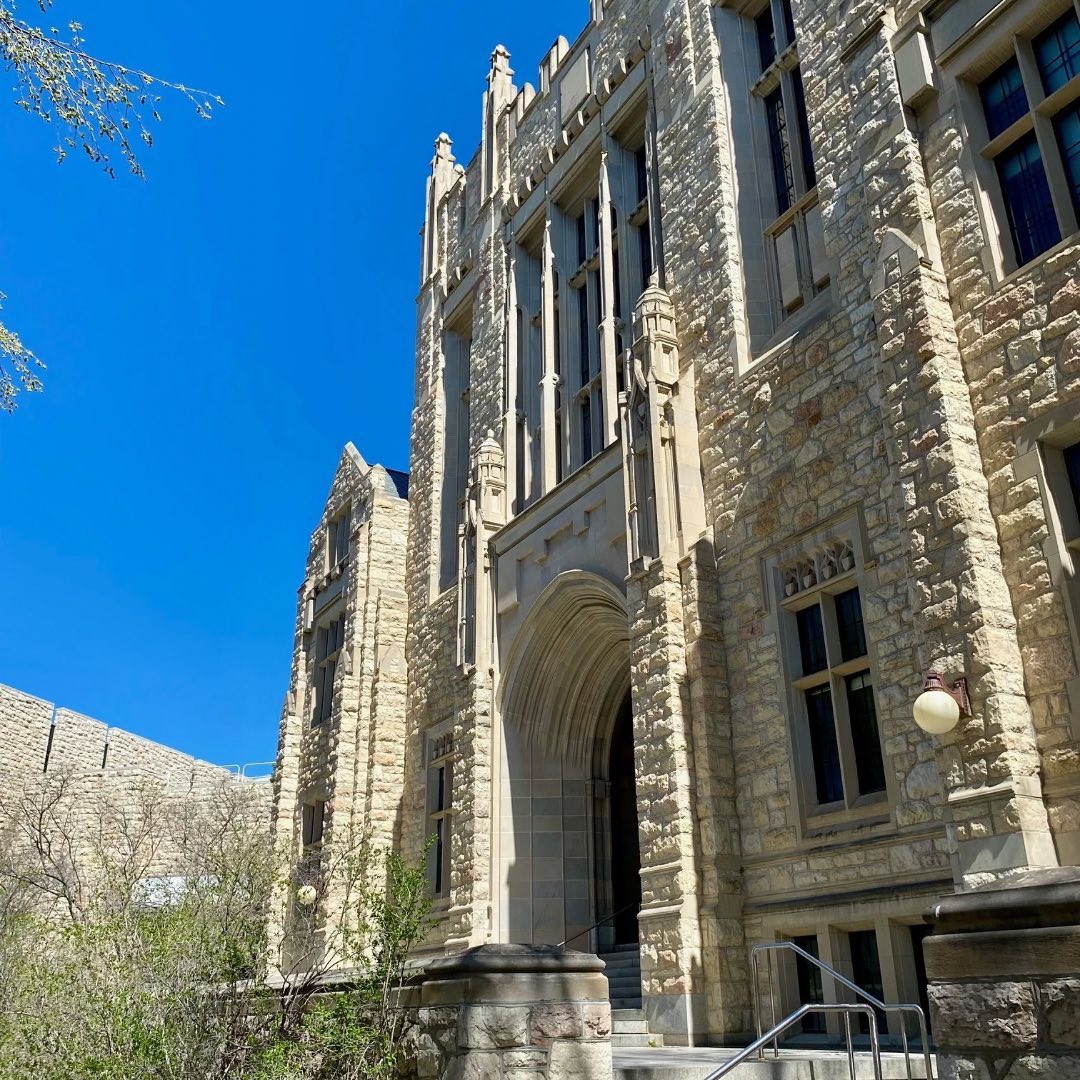
The Bachelor of Science in Nursing (B.S.N.) program at the University of Saskatchewan (USask) is designed for compassionate individuals eager to make a difference in healthcare. This four-year full-time program prepares students to become registered nurses, focusing on health and well-being across the lifespan. Students will engage in innovative teaching methods and gain hands-on clinical experience, ensuring they are well-equipped to meet the challenges of modern nursing. The program is available at various campuses and distributed sites across Saskatchewan, allowing students to learn in their local communities.
Program structure
The Bachelor of Science in Nursing (B.S.N.) program is structured over four years, which includes a pre-professional year followed by three years of concentrated nursing education and clinical practice. Here’s a brief overview of the program structure:
- Year 1: Pre-professional year with prerequisite courses.
- Years 2-4: Focused nursing education and clinical practice opportunities.
Students can choose to study full-time or part-time, with all courses needing to be completed within six years of entering the College of Nursing. The program also offers a post-degree option for those who already hold a bachelor's degree, allowing them to complete their B.S.N. in just two years. Additionally, students have access to various clinical practice opportunities in hospitals and community agencies, enhancing their practical skills and experience.
Featured Experiences
The Bachelor of Science in Nursing program offers a variety of unique experiences that enhance learning and professional development:
- Clinical Practice: Students gain hands-on experience in hospitals and community agencies, working alongside experienced nurses.
- Interprofessional Education: Opportunities to collaborate with students from various health disciplines, fostering teamwork and communication skills.
- Distributed Learning: The program is available at multiple sites across Saskatchewan, allowing students to learn where they live.
- Indigenous Support: The University of Saskatchewan Community of Indigenous Nursing provides support and resources for Indigenous students.
- Innovative Teaching Methods: The program employs advanced technology and teaching strategies to enhance the learning experience.
Career Options
Graduates of the Bachelor of Science in Nursing (B.S.N.) program have a wide range of career opportunities available to them in Canada. Here are some potential job roles:
- Registered Nurse (RN): Provide direct patient care in various healthcare settings, including hospitals and clinics.
- Nurse Educator: Teach and mentor future nursing students in academic or clinical settings.
- Public Health Nurse: Work in community health settings to promote health and prevent disease.
- Clinical Nurse Specialist: Provide expert advice related to specific areas of nursing practice.
- Healthcare Administrator: Manage healthcare facilities or departments, focusing on improving patient care and operational efficiency.
With experience and further education, graduates can also explore advanced roles such as Nurse Practitioner, Researcher, or positions in international health agencies.
DISCLAIMER: The information above is subject to change. For the latest updates, please contact LOA Portal's advisors.
Visit University of Saskatchewan official website