Last updated on 2026-01-16














Program overview
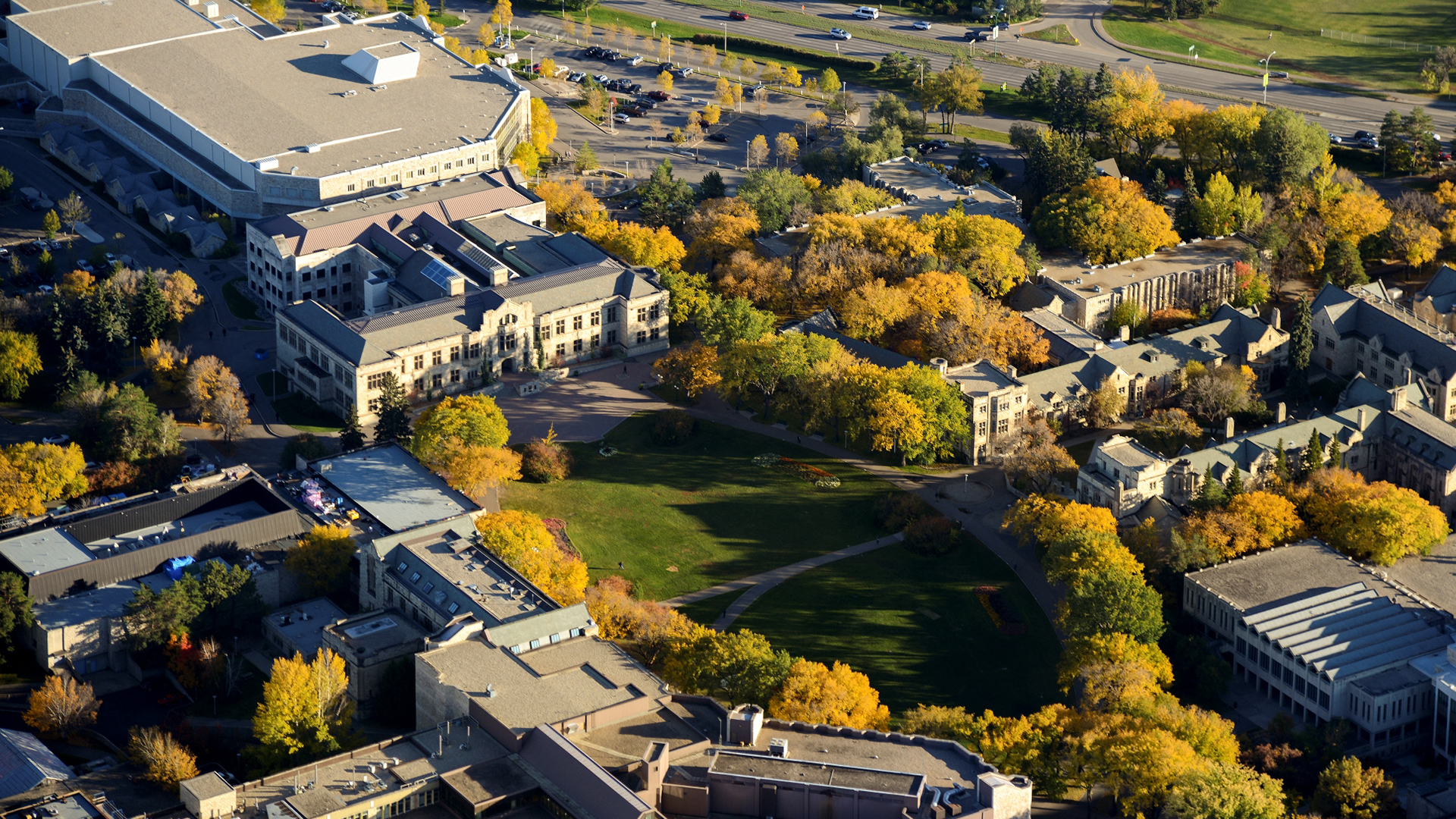
The Bachelor of Arts in Linguistics at the University of Saskatchewan offers students a comprehensive understanding of the role of language in society. This program equips students with essential skills for various exciting careers, including language pathology, teaching, speech recognition, artificial intelligence, forensics, translation, and publishing. By exploring the intricacies of human language, students will gain insights into its structure, development, and societal impact, preparing them for a diverse range of professional opportunities.
Program structure
The Bachelor of Arts in Linguistics program is designed to be flexible, allowing students to choose between a three-year or four-year degree. Students can enroll in this program either full-time or part-time, making it accessible for various lifestyles. The program can be started directly from high school or off-campus, providing options for students to tailor their educational journey.
Key features of the program structure include:
- Flexible course offerings across different subject areas.
- Medium class sizes that foster interaction between students and professors.
- Opportunities for study and work abroad, with credits earned abroad applicable to the degree.
- Consultation with an academic advisor to help determine the best degree path.
Featured Experiences
The Bachelor of Arts in Linguistics program offers several unique experiences that enhance learning and professional development:
- Study and work abroad programs that allow students to gain international experience.
- Medium-sized classes that promote a high-quality learning environment.
- Hands-on learning opportunities through various projects and research initiatives.
- Access to resources and support for language documentation and revitalization.
Career Options
Graduates of the Bachelor of Arts in Linguistics can pursue a variety of career paths in Canada, including:
- Speech Language Pathologist/Therapist: Work with individuals to assess and treat communication disorders.
- English as a Second/Foreign Language Instructor: Teach English to non-native speakers in various educational settings.
- Specialist in Language Documentation and Revitalization: Focus on preserving and revitalizing endangered languages.
- Materials Developer for Language Teaching: Create educational resources and assessments for language learners.
- Artificial Intelligence Developer: Work on projects related to language processing and speech recognition technologies.
DISCLAIMER: The information above is subject to change. For the latest updates, please contact LOA Portal's advisors.
Visit University of Saskatchewan official website