Last updated on 2026-07-29














Program overview
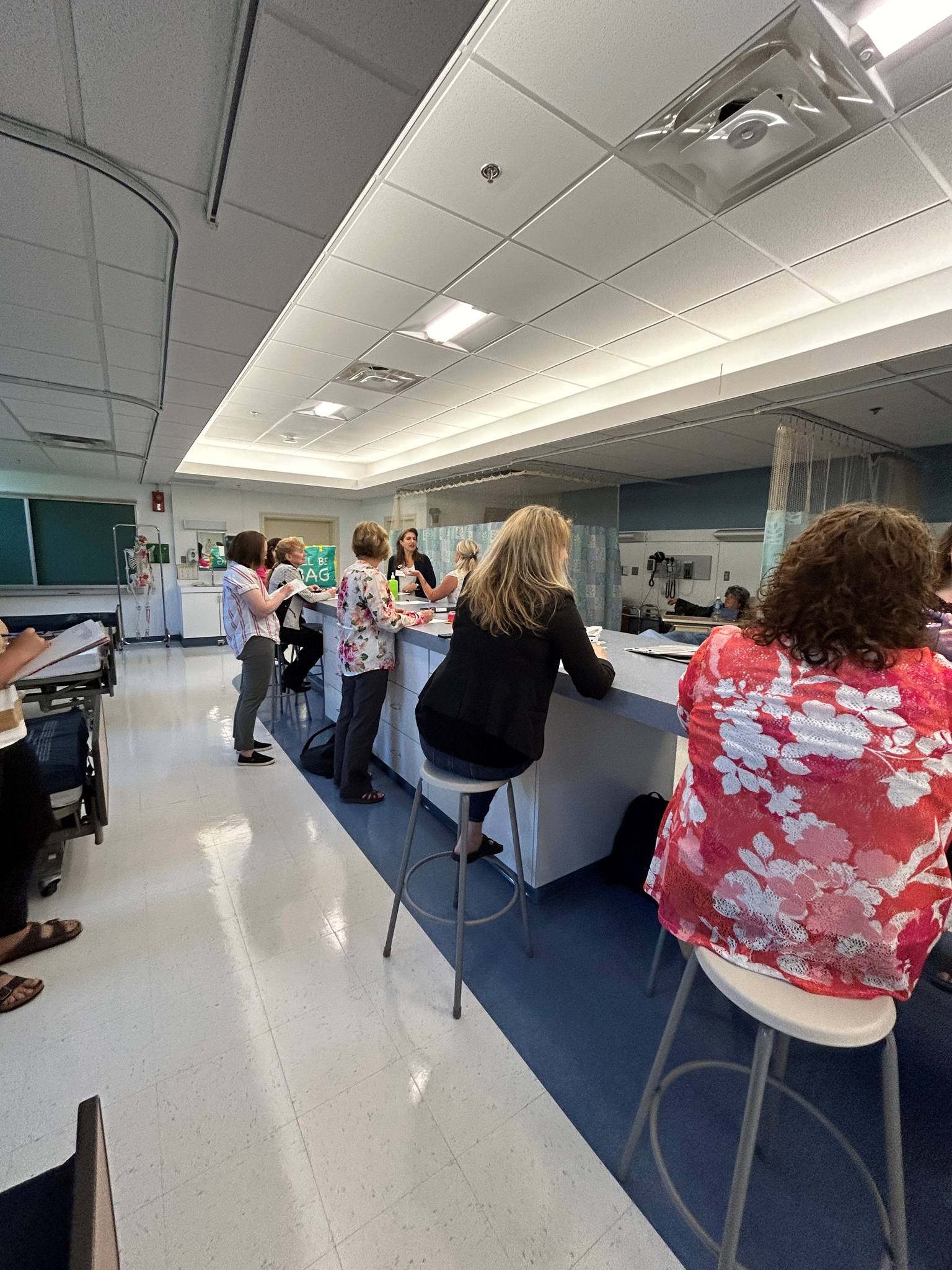
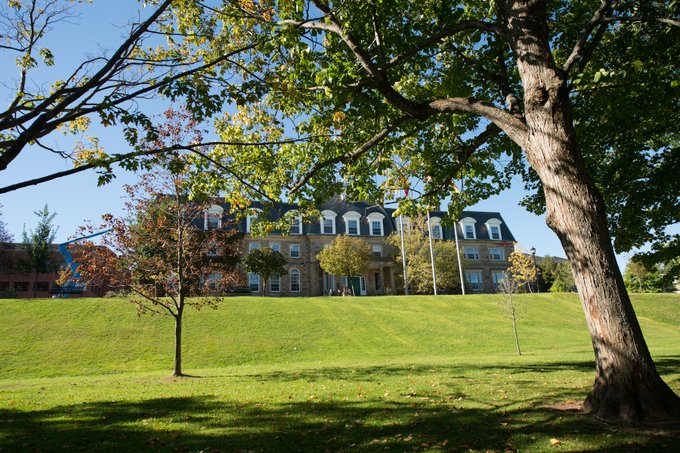
The Bachelor of Arts in Linguistics at UNB provides students with a comprehensive understanding of the intricate relationship between the brain, mind, and language. This program equips students with the skills necessary to comprehend foreign languages and the challenges faced by non-native speakers in English and French. By delving into various linguistic theories and concepts, students will develop a solid foundation that prepares them for diverse career opportunities in education and language-related fields.
Program structure
The Bachelor of Arts in Linguistics is designed to offer a well-rounded education in the field of linguistics. The program is structured to provide students with both theoretical knowledge and practical skills.
Key features of the program include:
- Program Length: Typically spans over four years.
- Introductory and intermediary level courses covering essential topics in linguistics.
- Opportunities to combine linguistics with other disciplines such as Education, Psychology, and Computer Science.
- Focus on critical thinking, analytical skills, and effective communication.
Students may also have the option to engage in experiential learning opportunities, enhancing their educational experience and preparing them for the workforce.
Featured Experiences
The Bachelor of Arts in Linguistics program offers several unique features that enhance the learning experience:
- Co-op opportunities that allow students to gain practical experience in the field.
- Field experiences that provide real-world applications of linguistic theories.
- Joint partner programs that may facilitate international teaching opportunities.
- Access to resources and support from the Department of Humanities and Languages.
Career Options
Graduates of the Bachelor of Arts in Linguistics can pursue a variety of career paths in Canada, including:
- Teaching English as Another Language: Educators who teach English to non-native speakers in various settings.
- Speech Therapist: Professionals who assist individuals with speech and language disorders.
- Forensic Linguist: Experts who analyze language in legal contexts, often assisting in criminal investigations.
- Language Policy Advisor: Specialists who work with government agencies to develop language-related policies.
- Language Researcher: Researchers who study language acquisition, processing, and usage in different contexts.
DISCLAIMER: The information above is subject to change. For the latest updates, please contact LOA Portal's advisors.
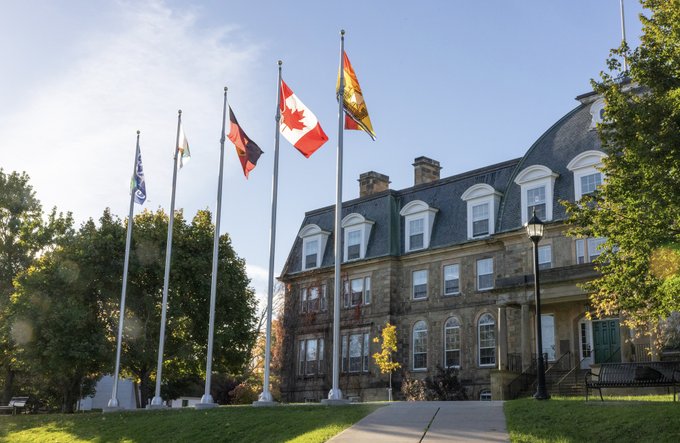
Visit University of New Brunswick official website