Last updated on 2026-09-08

















Program Overview
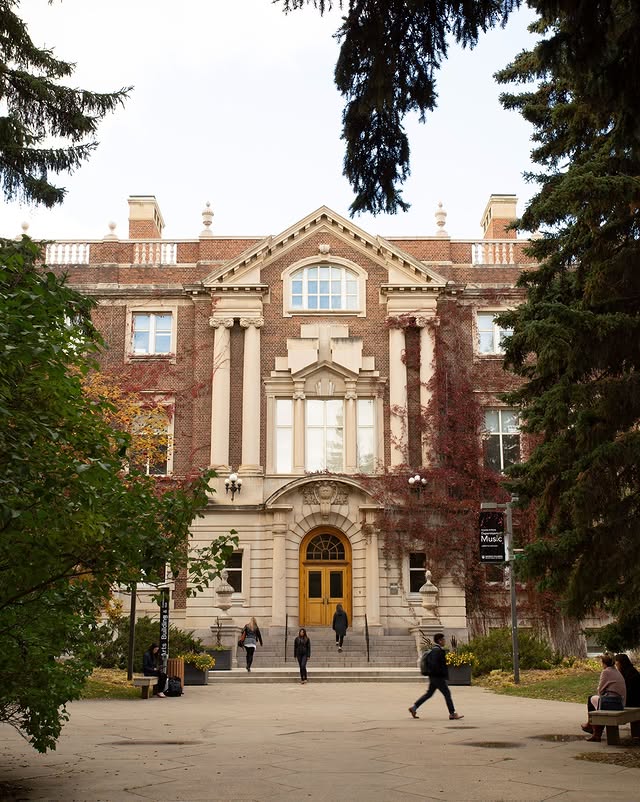
The Bachelor of Science in Petroleum Engineering Co-operative program at the University of Alberta is designed to equip students with the essential skills and knowledge required in the petroleum industry. This program emphasizes not only the extraction of oil and gas but also the importance of petroleum-based products in everyday life, including their role in energy and medical devices. Students will engage with advanced technologies such as machine learning and artificial intelligence, which are increasingly vital in the analysis and management of hydrocarbon resources. The University of Alberta stands out as the only institution in Canada offering an accredited BSc Petroleum Engineering degree, providing students with unique research opportunities in a region rich in oil and natural gas.
Program Structure
The Bachelor of Science in Petroleum Engineering Co-operative program is structured to provide a comprehensive education over a period of five years. This includes:
- Eight terms of full-time study, complemented by five work terms through the Co-op program.
- Each work term lasts approximately four months, allowing students to gain practical experience in the industry.
- Students will have the opportunity to engage in hands-on learning and research projects throughout their studies.
- The program is designed to foster connections with industry leaders and enhance employability upon graduation.
Additionally, the Co-op option allows students to complete paid, supervised work terms, which are invaluable for building professional networks and gaining relevant work experience before graduation.
Featured Experiences
- Co-op program offering paid work terms to gain real-world experience.
- Hands-on learning opportunities in state-of-the-art labs and facilities.
- Research opportunities within the petroleum industry, leveraging the university's location in a major oil and gas producing region.
- Collaboration on team projects that enhance practical skills and teamwork.
- Access to industry connections that facilitate work placements and internships.
Career Options
Graduates of the Bachelor of Science in Petroleum Engineering Co-operative program can pursue a variety of career paths in Canada, including:
- Completion Engineer: Responsible for ensuring that oil and gas wells are completed efficiently and safely.
- Data Analyst: Analyzes data related to oil and gas production to optimize operations and improve efficiency.
- Drilling Engineer: Designs and implements drilling plans to extract oil and gas from underground reservoirs.
- Exploitation Engineer: Focuses on maximizing the recovery of hydrocarbons from existing fields.
- Facility Engineer: Oversees the design and operation of facilities used in the extraction and processing of oil and gas.
- Field Engineer: Works on-site to ensure that engineering projects are executed according to specifications.
- Reservoir Engineer: Evaluates reservoir performance and develops strategies for enhanced oil recovery.
- Well Planning Engineer: Plans and designs well construction to ensure safety and efficiency.
- Drilling Fluid Engineer: Manages the fluids used in drilling operations to optimize performance and safety.
- Energy Analyst: Analyzes energy markets and trends to inform business decisions in the petroleum sector.
DISCLAIMER: The information above is subject to change. For the latest updates, please contact LOA Portal's advisors.
Visit University of Alberta official website