
Last updated on 2025-12-05











Program Overview
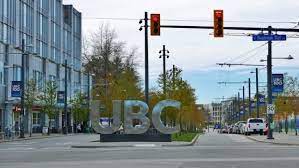
This combined major in Mathematics and Economics at the University of British Columbia (UBC) provides students with a solid foundation in mathematics while also imparting key principles of economics. Students will delve into various subjects, including microeconomics, empirical economics, and differential calculus, equipping them with essential analytical skills. UBC is recognized as one of the top-ranked universities globally in these fields, making this program an excellent choice for those looking to excel in mathematics and economics.
Program Structure
The Bachelor of Science in Mathematics and Economics is designed to be completed in 4 years. The program offers a comprehensive curriculum that allows students to explore a wide range of topics in both mathematics and economics. Key features of the program include:
- Co-op Option: Students have the opportunity to combine their studies with full-time, paid work at leading local and international organizations.
- Honours Option: Students can pursue intense specialization in a single field, enhancing their academic experience.
Throughout the program, students will engage in experiential learning and research, benefiting from resources such as the Mathematics Library, Math Club, and Mathematics Learning Centre. The program is offered through the Faculty of Science, ensuring a robust academic framework.
Featured Experiences
- Co-op Opportunities: Gain practical experience through full-time, paid work placements.
- Research Associations: Collaborate with institutes like the Pacific Institute for the Mathematical Sciences (PIMS) and MITACS.
- Access to Resources: Utilize facilities such as the Mathematics Undergraduate Computer Lab and Mathematics Learning Centre.
- Lectures in Historic Iona Building: Attend classes in a beautifully renovated building that houses the Vancouver School of Economics.
Career Options
Graduates of the Mathematics and Economics program can pursue a variety of career paths in Canada, including:
- Manager at Financial Institutions: Oversee financial operations and strategy at banks or investment firms.
- Senior Actuarial Analyst: Analyze financial risks using mathematics and statistics in insurance and finance sectors.
- Data Analyst: Utilize statistical techniques to interpret complex data sets and inform business decisions.
- Economic Consultant: Provide expert advice on economic trends and policies to businesses and government agencies.
- PhD Candidate in Finance: Pursue advanced studies and research in finance, contributing to academic knowledge in the field.
DISCLAIMER: The information above is subject to change. For the latest updates, please contact LOA Portal's advisors.
Visit UBC - The University of British Columbia official website