Last updated on 2025-12-05

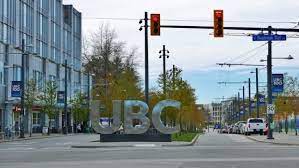
Program Overview
The Bachelor of International Economics program at UBC's Vancouver campus offers students a comprehensive understanding of the global economy. This program is designed to equip students with strong technical training, preparing them for careers in business, government, or academia. The curriculum is rigorous and challenging, built around core courses from the Vancouver School of Economics and the UBC Sauder School of Business. Students will explore various topics, including international trade, finance, development, and environmental economics, ensuring a well-rounded education in the field of economics.
Program Structure
The Bachelor of International Economics is a four-year full-time degree program offered by the Vancouver School of Economics at UBC. The program structure includes:
- Program Length: 4 years
- Co-op Option: Yes, students can combine their studies with full-time, paid work at top local and international organizations.
- Honours: No, but students can pursue intense specialization in a single field.
This academically rigorous program provides a broad curriculum that examines essential topics in economics, ensuring that graduates are well-prepared for their future careers. The program emphasizes both theoretical knowledge and practical application, making it a valuable choice for aspiring economists.
Featured Experiences
The Bachelor of International Economics program offers several unique features that enhance the learning experience:
- Co-op opportunities that allow students to gain real-world experience while studying.
- Access to a highly ranked Vancouver School of Economics, known for research excellence and community engagement.
- Collaboration with the UBC Sauder School of Business, providing a comprehensive understanding of business principles.
- Engagement in a curriculum that covers a wide range of economic topics, preparing students for diverse career paths.
Career Options
Graduates of the Bachelor of International Economics program can pursue various career opportunities in Canada, including:
- Business Analyst: Analyze business data to help organizations make informed decisions and improve operations.
- Research Assistant: Support research projects in economics, providing data analysis and report writing.
- Consulting Analyst: Work with clients to solve complex business problems and improve their economic strategies.
- Senior Consultant: Provide expert advice to organizations on economic policies and business practices.
- Graduate Student in Computational Finance: Pursue advanced studies in finance, focusing on quantitative analysis and economic modeling.
These roles highlight the versatility of the degree, equipping graduates with the skills needed to thrive in various sectors, including public, non-governmental, and private organizations.
DISCLAIMER: The information above is subject to change. For the latest updates, please contact LOA Portal's advisors.
Visit UBC - The University of British Columbia official website