Last updated on 2025-12-03
Program overview
The Police and Justice Studies Diploma at TRU is designed to equip students with the essential knowledge and skills for a successful career in the justice sector. Developed in collaboration with police and justice agencies, this program emphasizes a comprehensive understanding of the Canadian criminal justice system, including psychology, criminology, and contemporary social issues. Students will learn about policing protocols, ethics, conflict management, and effective communication within the justice system. The program also highlights the importance of health and wellness through fitness and conditioning instruction, ensuring graduates are well-prepared for the demands of their future careers.
Program structure
The Police and Justice Studies Diploma is a two-year program that provides a well-rounded education in policing and justice-related fields. The program is structured as follows:
- Year One: Students complete foundational courses that cover human behavior, criminal justice services, and professional communication.
- Year Two: The focus shifts to specialized police skills, ethics, and a field work practicum, allowing students to gain practical experience.
Students have the option to choose electives throughout the program, which can enhance their learning experience. The program is designed to prepare students for various roles in policing, corrections, and other government services at different levels. Additionally, students can ladder their diploma credits into further education, such as a Bachelor of Arts or Bachelor of Business Administration.
Featured Experiences
- Hands-on training in self-defense techniques, including handcuffing and control tactics.
- Field work practicum that provides real-world experience in the justice sector.
- Collaborative learning environment with compassionate faculty who foster student engagement.
- Opportunities to develop fitness and conditioning skills essential for a career in policing.
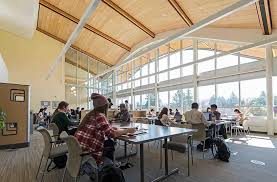
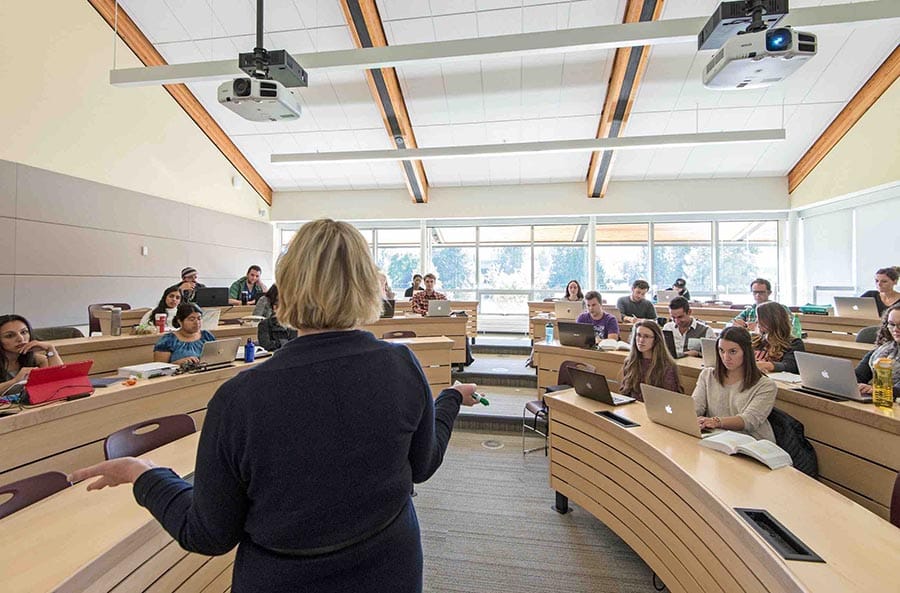
- Active participation in smaller classroom settings that encourage lively discussions and critical thinking.
Career Options
- Police Officer: Enforce laws, respond to emergencies, and protect the community.
- Corrections Officer: Oversee individuals in correctional facilities, ensuring safety and security.
- Parole Officer: Supervise offenders released from prison, helping them reintegrate into society.
- Customs Officer: Monitor and enforce laws regarding the import and export of goods at borders.
- Community Safety Officer: Work with local communities to promote safety and prevent crime.
DISCLAIMER: The information above is subject to change. For the latest updates, please contact LOA Portal's advisors.
Visit TRU - Thompson Rivers University official website