Last updated on 2025-12-03


Program overview
The Master of Science in Environmental Science program at TRU is designed to meet the growing demand for skilled environmental scientists. This program aims to cultivate innovative researchers equipped with multi-disciplinary skills and extensive knowledge in environmental science. With a focus on practical and relevant learning, students will engage in research that addresses local, regional, and global environmental challenges. The program's unique structure allows for flexibility, ensuring that graduates are well-prepared to tackle the complexities of environmental issues.
Program structure
The Master of Science in Environmental Science program is structured to provide a comprehensive educational experience. The program is designed to be completed in a flexible timeframe, allowing students to progress at their own pace while engaging in rigorous research activities. Key features of the program structure include:
- Program Length: Typically spans multiple semesters, allowing for in-depth research and thesis development.
- Research Focus: Students are required to conduct original research leading to a written thesis.
- Thesis Supervisor: Each student must identify a faculty member willing to supervise their research prior to admission.
- Intake Dates: The program accepts students in September, January, and May.
- Options for Practical Experience: Opportunities for co-op placements or internships may be available, enhancing real-world learning.
This program is ideal for those looking to make a significant impact in the field of environmental science through research and practical application.
Featured Experiences
The Master of Science in Environmental Science program offers a variety of unique experiences that enhance the learning journey for students. These include:
- Research Opportunities: Students engage in hands-on research projects that contribute to the field of environmental science.
- Field Studies: Proximity to diverse ecosystems allows for practical fieldwork, providing students with real-world insights.
- Collaboration with Faculty: Students work closely with faculty members who are experts in their fields, fostering mentorship and guidance.
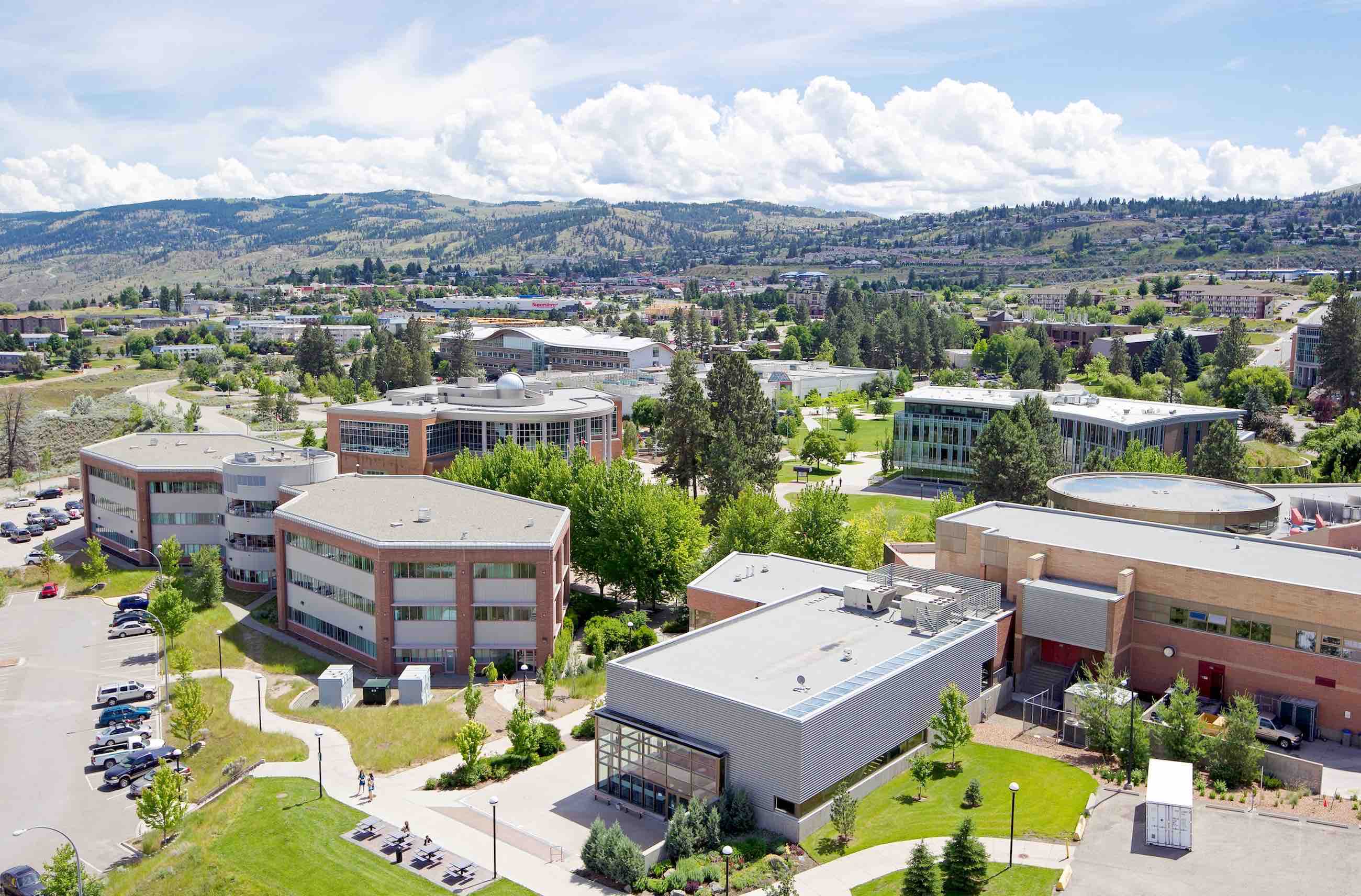
- Access to Unique Ecosystems: The program's location near various ecosystems, including grasslands, wetlands, and forests, enriches the educational experience.
- Networking Opportunities: Students can connect with professionals in the field through various events and partnerships.
These experiences are designed to prepare students for successful careers in environmental science by providing them with practical skills and knowledge.
Career Options
Graduates of the Master of Science in Environmental Science program can pursue a variety of career paths in Canada. Some potential job options include:
- Environmental Consultant: Advises organizations on environmental best practices and compliance with regulations.
- Research Scientist: Conducts studies to understand environmental issues and develop solutions.
- Conservation Biologist: Works to protect and manage natural resources and wildlife populations.
- Environmental Policy Analyst: Analyzes and develops policies related to environmental protection and sustainability.
- Ecologist: Studies ecosystems and the relationships between organisms and their environment to inform conservation efforts.
These roles highlight the diverse opportunities available to graduates, allowing them to make meaningful contributions to environmental science and sustainability efforts in Canada.
DISCLAIMER: The information above is subject to change. For the latest updates, please contact LOA Portal's advisors.
Visit TRU - Thompson Rivers University official website