Program overview
The TRU Bachelor of Social Work (BSW) program offers a nationally accredited degree that prepares students for a career in the diverse profession of social work. This program is designed to build on the educational achievements and experiences of a wide range of students. The BSW program is fully accredited by the Canadian Association for Social Work Education, ensuring that graduates are well-equipped to meet the demands of the field.
Program structure
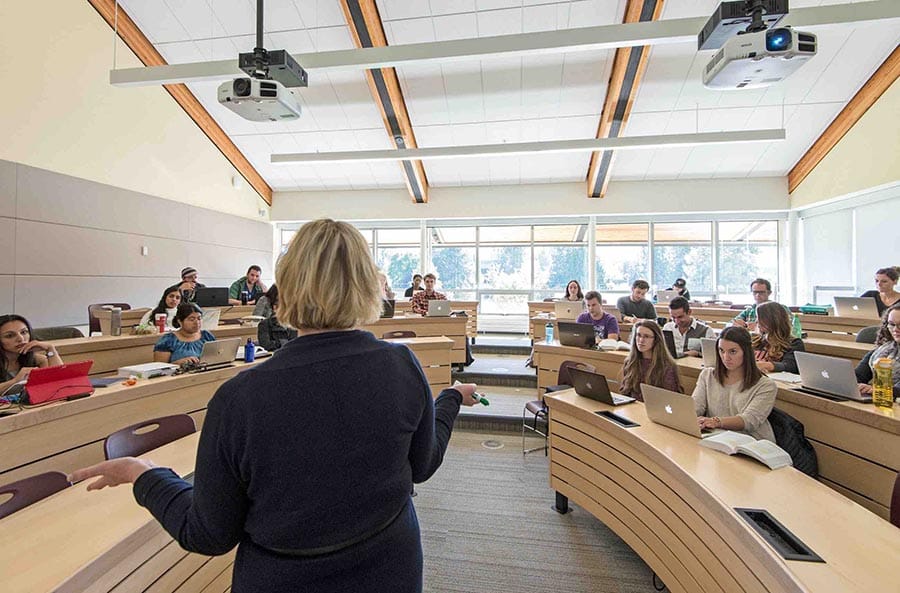
The Bachelor of Social Work program at TRU is structured to be completed in two years. It is delivered on campus, providing students with a rich learning environment that fosters collaboration and engagement. The program emphasizes the importance of social justice, equity, and interdependence, preparing students to become advocates for change in their communities.
Key features of the program structure include:
- Hands-on learning experiences through field education.
- Opportunities for students to engage in dialogue and reflection.
- A focus on the socio-cultural and geo-political contexts of social work.
- Support for students to become globally minded and locally rooted.
This program is designed to honor the wisdom and experiences of students, helping them to transform themselves and the world around them.
Featured Experiences
The Bachelor of Social Work program offers several unique features that enhance the learning experience:
- Field education opportunities that allow students to apply their knowledge in real-world settings.
- A collaborative learning environment that encourages dialogue and personal growth.
- Commitment to social justice and advocacy, preparing students to address societal issues.
- Engagement with the Secwépemc Nation and respect for diverse ways of knowing.
- Supportive faculty who are dedicated to student success and personal development.
Career Options
Graduates of the Bachelor of Social Work program can pursue a variety of career options in Canada, including:
- Social Worker: Provide support and resources to individuals and families facing challenges, advocating for their rights and well-being.
- Child Welfare Worker: Work with children and families to ensure safety and well-being, often in collaboration with government agencies.
- Community Outreach Coordinator: Develop and implement programs that address community needs, fostering connections between resources and individuals.
- School Social Worker: Support students in educational settings, addressing social, emotional, and behavioral issues to enhance learning.
- Healthcare Social Worker: Assist patients and families in navigating healthcare systems, providing emotional support and resources for care.
These roles allow graduates to make a meaningful impact in their communities, utilizing the skills and knowledge gained through their education.
DISCLAIMER: The information above is subject to change. For the latest updates, please contact LOA Portal's advisors.
Visit TRU - Thompson Rivers University official website