Last updated on 2026-10-06



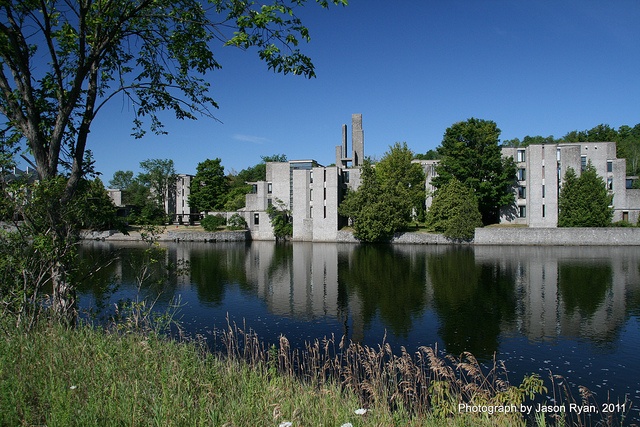
Program Overview
The Bachelor of Arts in Environmental and Resource Studies (Honours) at Trent University is designed to provide students with a comprehensive understanding of environmental issues and resource management. This program emphasizes critical thinking and interdisciplinary approaches, preparing graduates to tackle complex environmental challenges. Students will engage in hands-on learning experiences that foster a deep connection with the natural world and the communities that inhabit it. With a focus on sustainability and social justice, this program equips students with the skills necessary to make a positive impact in their careers and communities.
Program Structure
The Bachelor of Arts in Environmental and Resource Studies (Honours) is structured to provide a robust educational experience over a four-year period. Key details of the program include:
- Program Length: 4 years
- Credits Required: 120 credits
- Options: Students may have opportunities for co-op placements, internships, and field studies to enhance their practical experience.
This program is designed to be flexible, allowing students to tailor their studies to their interests and career goals. The curriculum integrates theoretical knowledge with practical applications, ensuring that graduates are well-prepared for the workforce.
Featured Experiences
- Co-op placements that provide real-world experience in environmental and resource management.
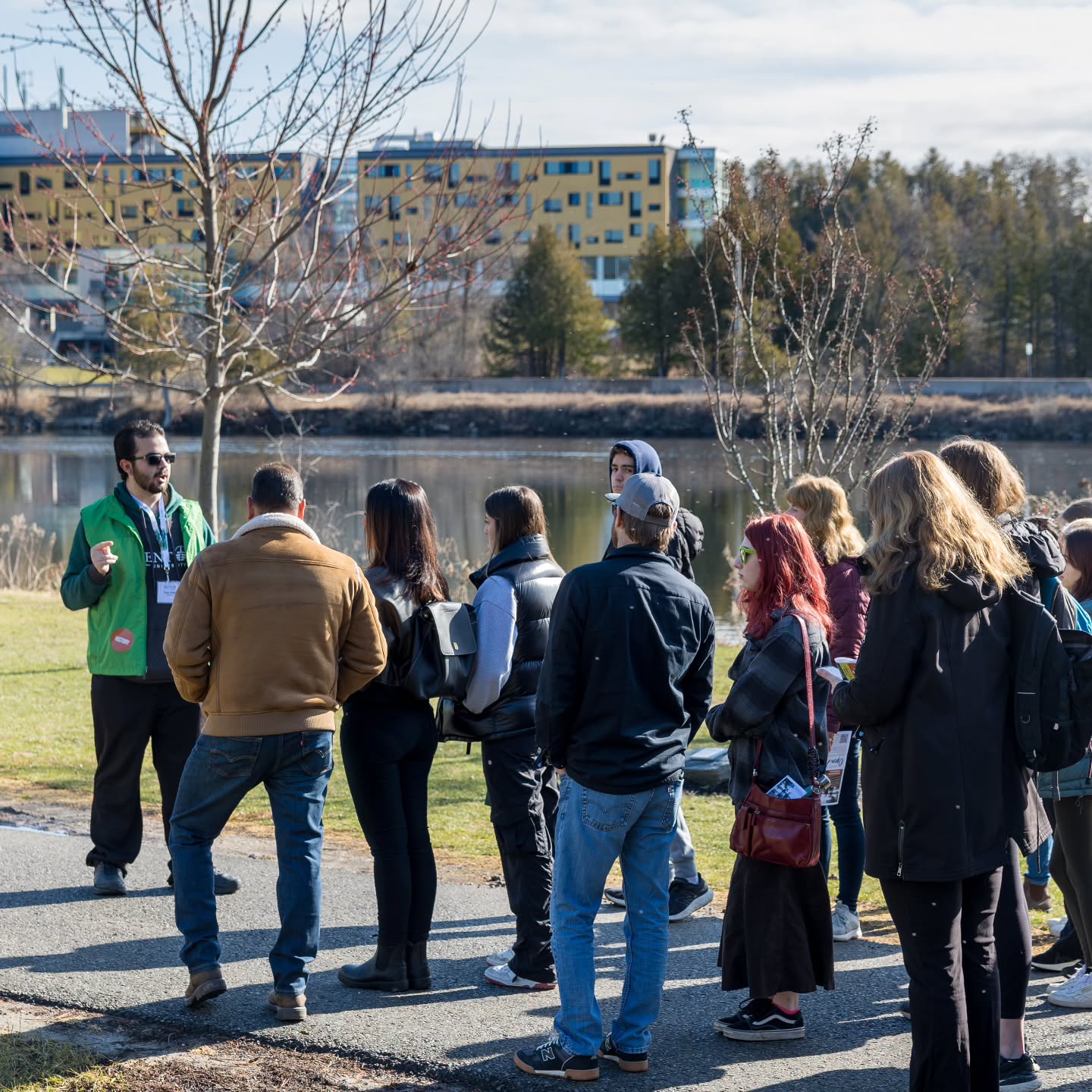
- Field studies that allow students to engage directly with ecosystems and communities.
- Opportunities for joint partner programs with other institutions to broaden educational experiences.
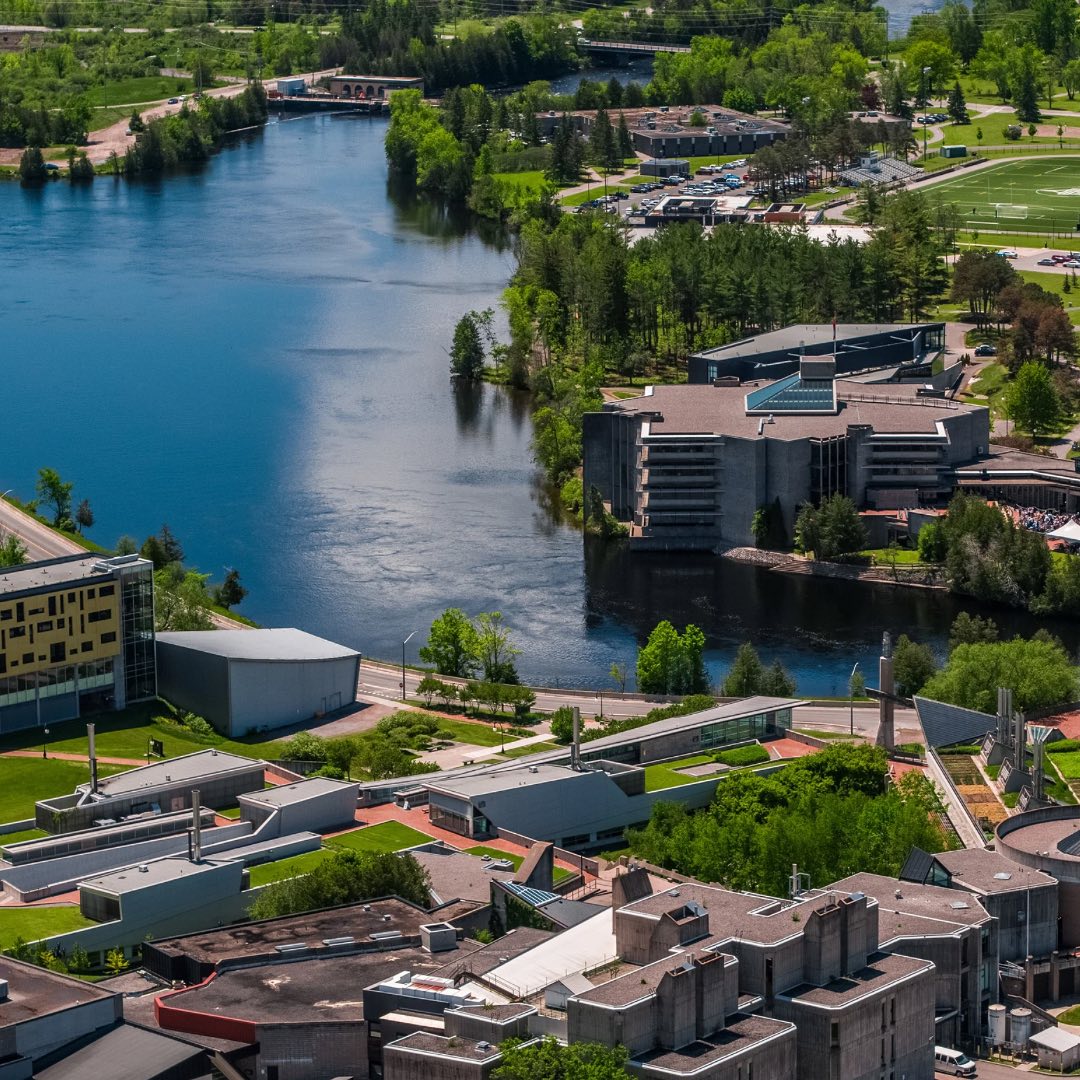
- Access to state-of-the-art laboratories and research facilities for hands-on learning.
- Engagement in community-based projects that promote sustainability and environmental stewardship.
Career Options
Graduates of the Bachelor of Arts in Environmental and Resource Studies (Honours) can pursue a variety of career paths in Canada, including:
- Environmental Consultant: Advises organizations on how to minimize their environmental impact and comply with regulations.
- Conservation Officer: Works to protect wildlife and natural resources through enforcement of laws and regulations.
- Sustainability Coordinator: Develops and implements sustainability initiatives within organizations to promote eco-friendly practices.
- Urban Planner: Designs and develops land use plans and programs that help create sustainable communities.
- Research Scientist: Conducts studies and experiments to advance knowledge in environmental science and resource management.
DISCLAIMER: The information above is subject to change. For the latest updates, please contact LOA Portal's advisors.
Visit Trent University official website