Last updated on 2026-04-16

















Program Overview
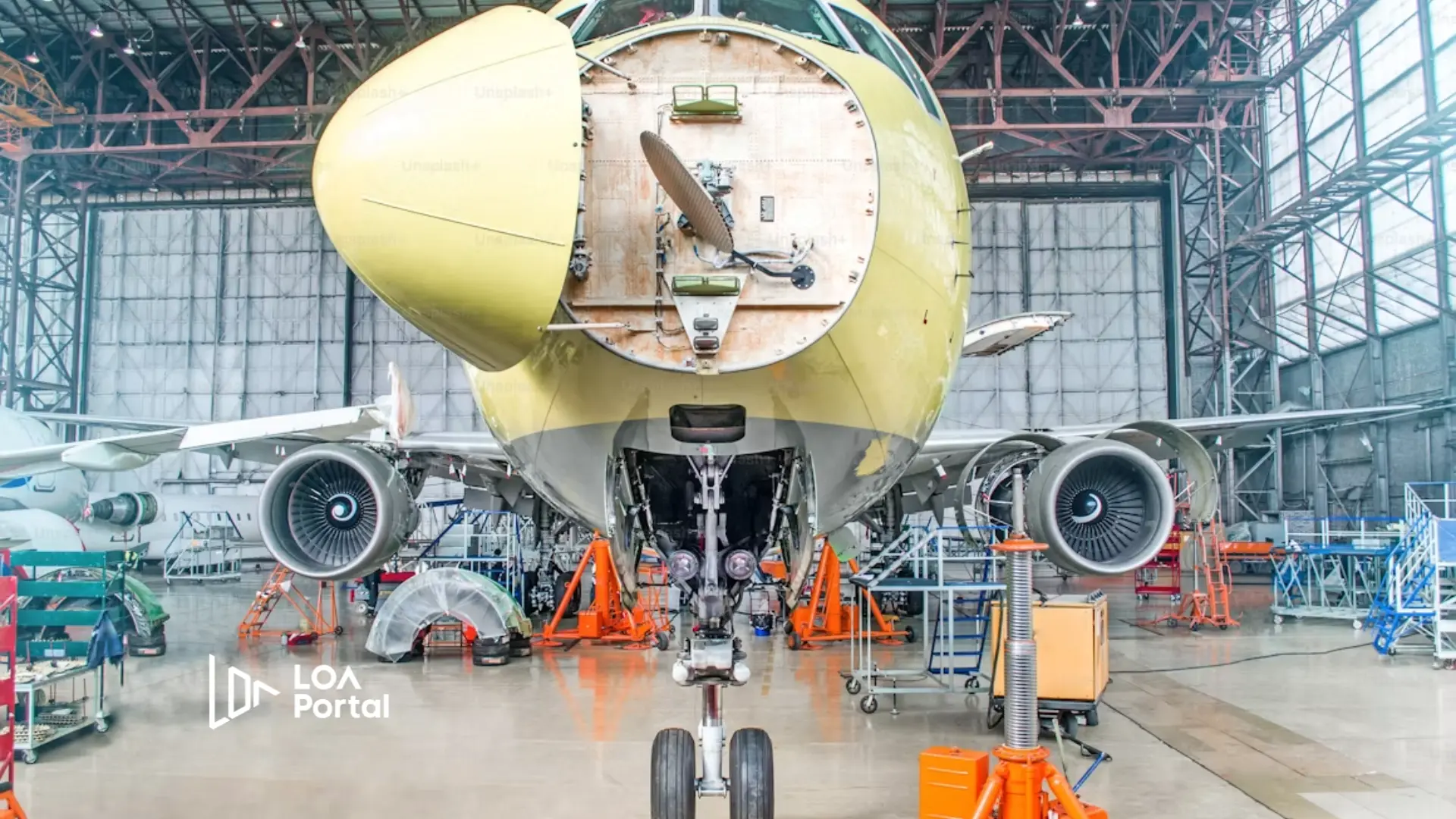
At Toronto Metropolitan University (TMU), the Bachelor of Engineering in Aerospace Engineering is designed to equip students with the skills necessary to develop the vehicles, technologies, and systems of the future. This accredited program emphasizes hands-on learning and offers paid co-op opportunities, allowing students to gain practical experience while studying. Throughout the program, students will master the mechanisms behind flight and propulsion, preparing them for a successful career in the aerospace industry.
Program Structure
The Bachelor of Engineering in Aerospace Engineering at TMU is structured to provide a comprehensive education over a 4-year period, with an option for a 5-year co-op program. The program includes:
- First-year courses focusing on engineering fundamentals such as calculus and physics.
- Specialization options in the third year, allowing students to choose between Aircraft, Spacecraft, or Avionics.
- A capstone design project in the fourth year, where students tackle real-world challenges and present their solutions to industry experts.
- Experiential learning opportunities through co-op placements and involvement in student teams, such as rocketry and robotics.
Students will also have access to industry-connected research centers, collaborating with leading companies in the aerospace sector.
Featured Experiences
The Aerospace Engineering program at TMU offers a variety of unique experiences that enhance learning and professional development:
- Optional paid co-op placements that provide real-world experience in the aerospace industry.
- Participation in student-led rocketry and robotics teams, fostering teamwork and innovation.
- Access to industry-connected research centers, working alongside major aerospace companies like Bombardier and Collins Aerospace.
- Opportunities to engage in capstone projects that address real-world engineering challenges.
Career Options
Graduates of the Bachelor of Engineering in Aerospace Engineering can pursue a variety of career paths in Canada, including:
- Aircraft Design Engineer: Responsible for designing and testing aircraft structures and systems to ensure safety and performance.
- Aircraft Maintenance Engineer: Focuses on the maintenance and repair of aircraft, ensuring compliance with safety regulations.
- Flight Test Engineer: Conducts tests on aircraft to evaluate performance and safety, analyzing data to improve designs.
- Propulsion Engineer: Works on the design and development of engines and propulsion systems for various aerospace applications.
- Space Systems Design Engineer: Involved in the design and development of spacecraft and satellite systems, addressing challenges in space exploration.
DISCLAIMER: The information above is subject to change. For the latest updates, please contact LOA Portal's advisors.
Visit TMU - Toronto Metropolitan University official website