Last updated on 2026-08-12



Program overview
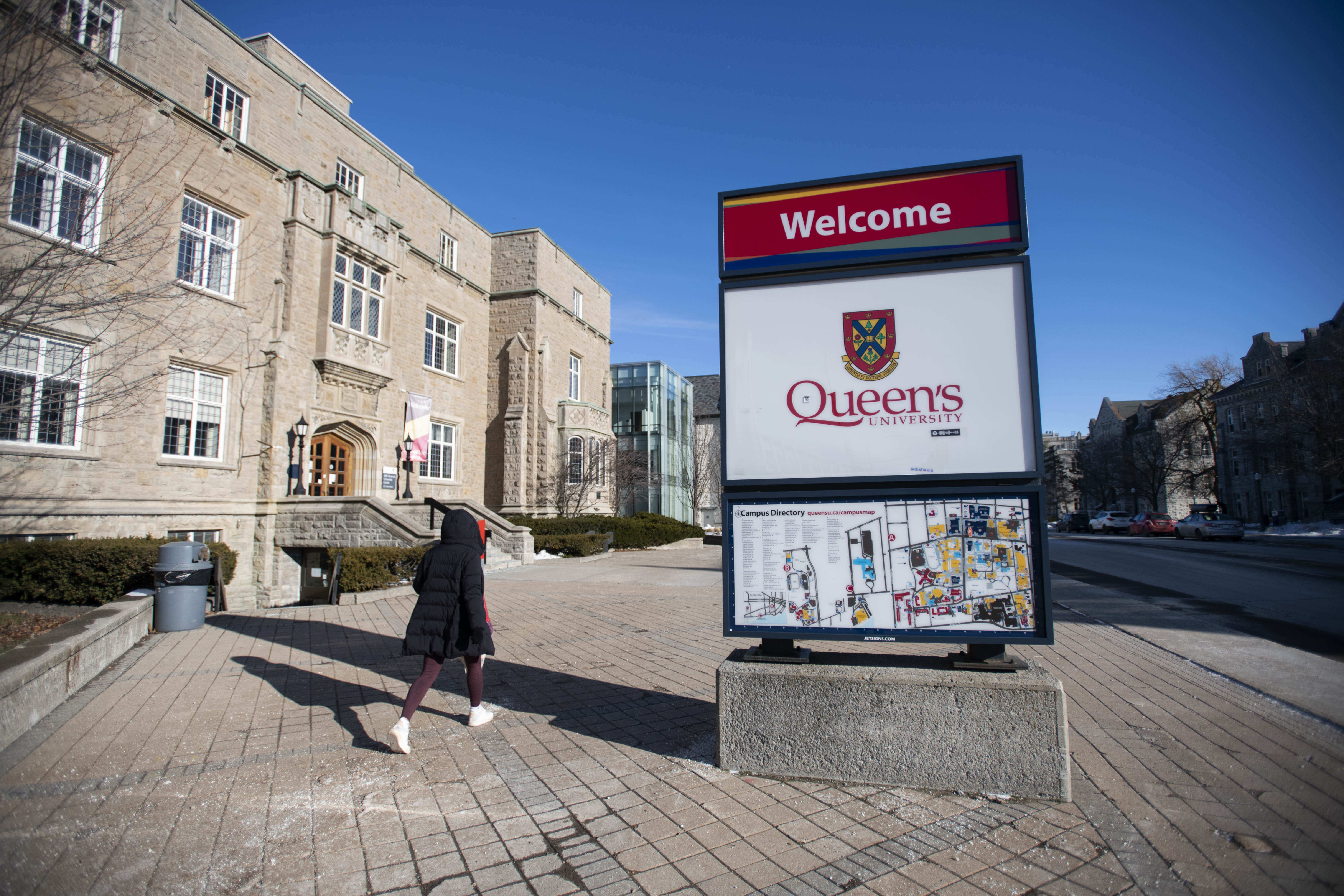
The Bachelor of Applied Science in Engineering Chemistry is a unique program offered at Queen's University, recognized as the only one of its kind in North America. This program is dually accredited, allowing graduates to become both chartered chemists and professional engineers. Since its inception in 1895, the Engineering Chemistry program has been pivotal in shaping leaders in the fields of chemical engineering and chemistry. The curriculum is designed to connect chemistry with engineering design, equipping students with the skills to address complex challenges in the chemical sciences. Graduates emerge with a robust understanding of both fundamental science and practical engineering tools, preparing them for impactful careers in various industries.
Program structure
The Engineering Chemistry program is structured to provide a comprehensive education over a four-year period, culminating in a Bachelor’s degree. The program emphasizes a blend of chemistry and engineering principles, ensuring that students are well-prepared for the demands of the industry. Key features of the program structure include:
- Program Length: Four years
- Specialized curriculum integrating analytical, electrochemical, and organic chemistry with engineering sciences.
- Hands-on experience through the Queen’s Undergraduate Internship Program (QUIP), offering full-time, paid internships lasting 12–16 months.
- Opportunities for independent research projects in the final year.
This program is designed to equip students with the necessary skills to tackle real-world problems, particularly in areas such as alternative energy, clean water, and sustainable agriculture.
Featured Experiences
The Engineering Chemistry program offers a variety of unique experiences that enhance learning and professional development:
- Internships through the Queen’s Undergraduate Internship Program (QUIP), providing valuable industry experience.
- Hands-on training in designing large-scale chemical manufacturing plants.
- Opportunities to engage in independent research projects during the final year.
- Access to state-of-the-art facilities and laboratories for practical learning.
- Collaboration with industry partners on real-world projects.
These experiences are designed to prepare students for successful careers in engineering chemistry and related fields.
Career Options
Graduates of the Engineering Chemistry program have a wide array of career opportunities available to them in Canada. Here are some potential job roles:
- Chemical Engineer: Design and optimize processes for large-scale chemical manufacturing, ensuring efficiency and safety.
- Process Development Scientist: Focus on developing new chemical processes and improving existing ones for various applications.
- Environmental Chemist: Work on projects related to pollution control, waste management, and sustainable practices.
- Quality Control Analyst: Ensure that products meet required standards and regulations through rigorous testing and analysis.
- Research Scientist: Conduct research in laboratories to develop new materials or improve existing chemical processes.
These roles highlight the versatility of the Engineering Chemistry degree, equipping graduates with the skills needed to excel in various sectors, including pharmaceuticals, energy, and environmental science.
DISCLAIMER: The information above is subject to change. For the latest updates, please contact LOA Portal's advisors.
Visit Queen's University official website