Last updated on 2026-05-07




Program overview
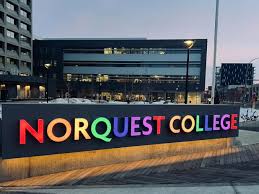
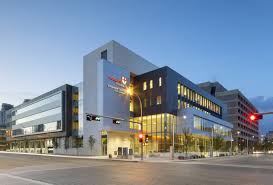
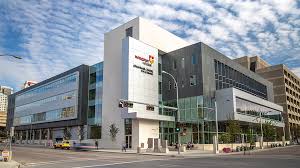
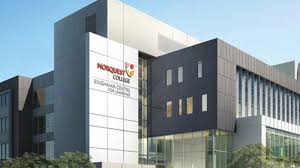
The Mental Health and Addiction Support Worker program at NorQuest College prepares students for a rewarding career in supporting individuals facing mental health and addiction challenges. This diploma program focuses on equipping students with the necessary skills to provide effective, recovery-oriented support. Students will learn to build trusting relationships, apply trauma-informed approaches, and assist clients in accessing essential care. The program emphasizes hands-on experience, ensuring graduates are well-prepared to make a meaningful impact in their communities.
Program structure
The Mental Health and Addiction Support Worker program is structured over a duration of 4 terms, providing a comprehensive educational experience. Key features of the program include:
- In-person classes with face-to-face instruction.
- Completion of 100 hours of community volunteering integrated into coursework.
- A 150-hour practicum placement to gain real-world experience.
- Utilization of virtual-reality simulations for skill application.
This program is designed to support students in developing practical skills and confidence, preparing them for various roles in the mental health and addiction support field.
Featured Experiences
The Mental Health and Addiction Support Worker program offers several unique experiences that enhance learning and professional development:
- Community Service Learning: Students engage in community volunteering, allowing them to connect with local services that support individuals affected by mental health and addiction challenges.
- Practicum Placements: Students gain hands-on experience through a full-time practicum, which may include day, evening, or weekend shifts.
- Virtual-Reality Simulations: Developed in partnership with the Olson Centre for Health Simulation, these simulations prepare students for real-life scenarios they may encounter in the field.
Career Options
Graduates of the Mental Health and Addiction Support Worker program can pursue various career opportunities in Canada, including:
- Mental Health and Addiction Support Worker: Provide direct support to individuals in recovery, helping them navigate their treatment plans.
- Recovery Support Worker: Assist clients in achieving their recovery goals through guidance and support.
- Outreach Worker: Engage with communities to connect individuals with necessary resources and services.
- Mental Health Navigator: Help clients access mental health services and support systems.
- Mental Health Aide: Support healthcare professionals in delivering care to individuals with mental health challenges.
- Addiction Treatment Program Aide: Assist in the implementation of addiction treatment programs.
- Community Liaison Worker: Act as a bridge between clients and community resources.
- Recovery Coach: Provide motivation and support to individuals in their recovery journey.
- Mental Health Crisis Response Worker: Respond to mental health emergencies and provide immediate support.
- Indigenous Housing Support Worker: Assist Indigenous individuals in accessing housing and support services.
- Independent Living Support Worker: Help clients develop skills for independent living.
This program also offers pathways for further education in counseling or psychotherapy, enhancing career prospects in the mental health field.
DISCLAIMER: The information above is subject to change. For the latest updates, please contact LOA Portal's advisors.
Visit NorQuest College official website