Last updated on 2026-09-23




Program overview
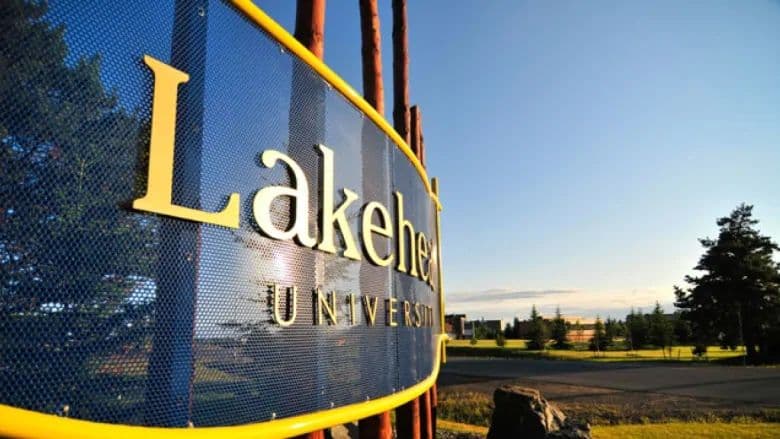
The Master of Science in Geology at Lakehead University is a comprehensive program that emphasizes the fields of Petrochemistry and Tectonophysics. This program is designed for students who are interested in advanced studies and research in geology, focusing on both field and laboratory studies of various geological formations. Students will engage in significant research projects, with many going on to publish their findings in peer-reviewed journals. The program is structured to provide a solid foundation in geological sciences, preparing graduates for further academic pursuits or professional careers in the field.
Program structure
The Master of Science in Geology program is structured to be completed within two years of continuous registration, requiring students to fulfill all program requirements within six terms. The program includes:
- Emphasis on research in Petrochemistry and Tectonophysics
- Fieldwork opportunities across Canada and internationally
- Access to experienced faculty and potential supervisors
- Encouragement for students to publish their research
Students are expected to engage in various research projects that may include areas such as petrology, mineralogy, geochemistry, and structural geology. The program is designed to foster a deep understanding of geological processes and the ability to conduct independent research.
Featured Experiences
The Master of Science in Geology program offers several unique experiences that enhance the learning process:
- Fieldwork: Students participate in extensive fieldwork, which may take place in diverse locations, including the high Arctic and international sites like Cyprus.
- Research Opportunities: Students have the chance to work on significant research projects in various geological fields.
- Publication Support: The program encourages students to publish their research findings in peer-reviewed scientific journals.
- Collaboration with Faculty: Students are encouraged to connect with potential supervisors early in their studies to guide their research direction.
Career Options
Graduates of the Master of Science in Geology program can pursue a variety of career paths in Canada, including:
- Geologist: Conducts field studies and laboratory analyses to understand geological formations and processes.
- Petroleum Geologist: Specializes in the exploration and extraction of oil and gas resources.
- Environmental Consultant: Advises organizations on environmental regulations and the impact of geological activities.
- Mining Engineer: Works on the extraction of minerals and resources, ensuring safety and efficiency in mining operations.
- Research Scientist: Engages in academic or industrial research, contributing to advancements in geological sciences.
These roles often require a strong foundation in geological principles, research skills, and the ability to work in diverse environments.
DISCLAIMER: The information above is subject to change. For the latest updates, please contact LOA Portal's advisors.
Visit Lakehead University official website