Last updated on 2026-09-23










Program overview
The Master of Science in Computer Science with a specialization in Artificial Intelligence at Lakehead University is a two-year, thesis-based program designed for students who wish to delve into advanced research in the field of AI. This program combines rigorous academic training with practical applications, allowing students to explore various core AI techniques. Graduates will be equipped to apply AI algorithms across diverse industrial sectors, enhancing their research capabilities in areas such as deep learning, natural language processing, and machine learning. The program emphasizes ethical considerations in AI applications, preparing students for responsible innovation in technology.
Program structure
The Master of Science in Computer Science (Artificial Intelligence specialization) offers a comprehensive structure that includes various program options to cater to different student needs. The program is designed to be completed in two years and includes the following options:
- Master’s by Course: A one-year program focused on coursework aligned with IT industry requirements.
- Master's by Project: A two-year program that combines coursework with a limited research project.
- Master's by Thesis: A two-year program that requires fewer courses and involves a substantial research project.
Students in the Project and Thesis options may also have the opportunity to participate in a co-operative program, which provides valuable industrial experience. However, it is important to note that the AI specialization is not eligible for the Co-operative Option. All students must complete their program requirements within six terms of continuous registration.
Featured Experiences
- Research Opportunities: Students will engage in cutting-edge research in AI, focusing on techniques such as deep learning and natural language processing.
- Co-op Placement: Available for Project and Thesis students, providing practical experience in the industry.
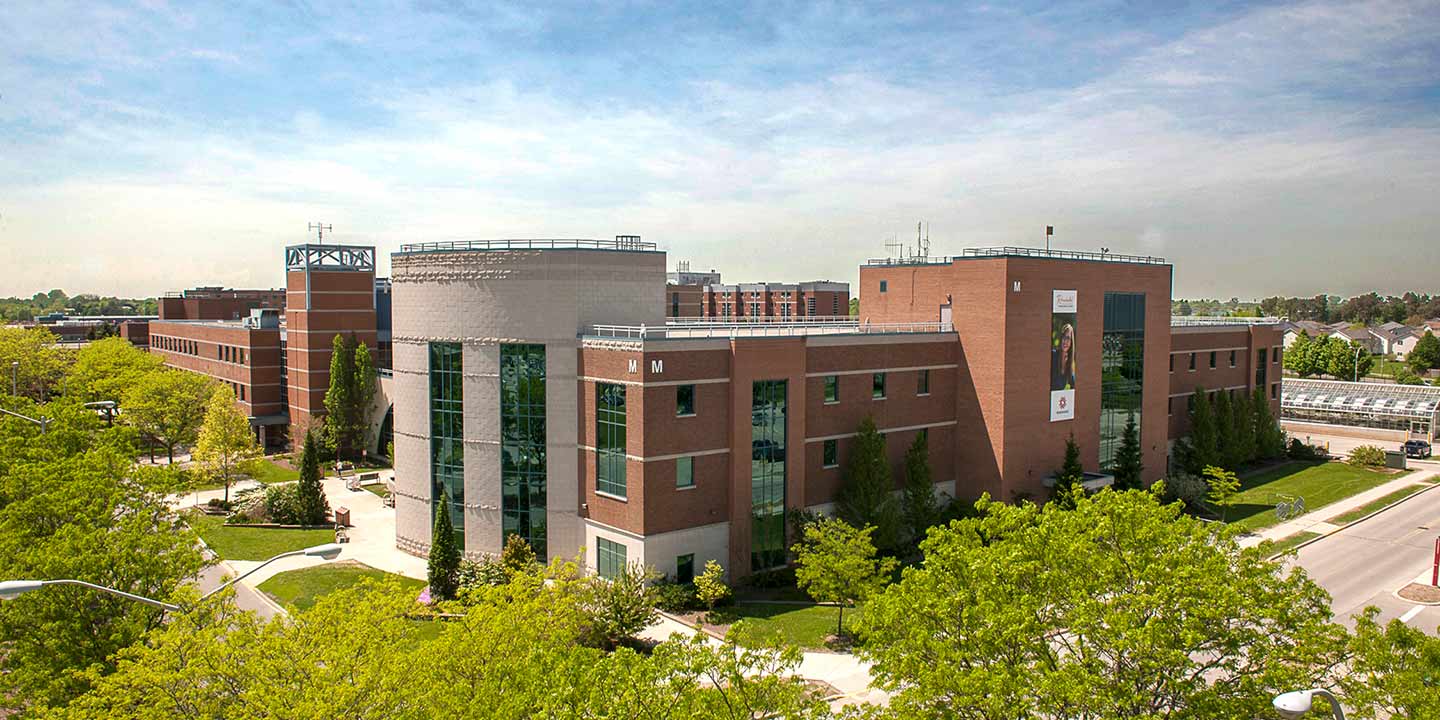
- State-of-the-Art Facilities: Access to advanced computing technologies and smart lecture rooms within the Advanced Technology and Academic Centre (ATAC).
- Ethical Awareness: The program emphasizes the importance of ethical considerations in AI research and applications.
Career Options
- AI Research Scientist: Conduct research to develop new AI algorithms and improve existing technologies.
- Machine Learning Engineer: Design and implement machine learning models to solve complex problems in various industries.
- Data Scientist: Analyze and interpret complex data to inform business decisions and strategies.
- Software Developer: Create software applications that utilize AI technologies for enhanced functionality.
- AI Ethics Consultant: Advise organizations on the ethical implications of AI technologies and their applications.
DISCLAIMER: The information above is subject to change. For the latest updates, please contact LOA Portal's advisors.
Visit Lakehead University official website