Last updated on 2026-03-05






Program overview
The Community and Justice Services program at Georgian College is designed to equip students with the essential knowledge and skills to work effectively with at-risk and offender populations. This Ontario College Diploma program emphasizes a blend of theoretical learning and practical experiences, preparing graduates to make a positive impact in their communities. With a focus on human rights, equity, and advocacy, students will engage in various applied learning opportunities, including a significant field placement in their second year. This immersive experience is crucial for developing job readiness and understanding the complexities of the justice system.
Program structure
The Community and Justice Services program is structured to provide a comprehensive education over a 2-year period. The program is delivered in a full-time format, utilizing a hybrid approach that combines both in-person and online learning. Key features of the program structure include:
- Program Length: 2 Years
- Delivery Method: Hybrid
- Field Placement: A 7-week immersive field placement in the second year, allowing students to gain hands-on experience in community or custody-based justice agencies.
- Curriculum: A mix of theoretical knowledge and practical skills, focusing on areas such as human rights, equity, and case management.
Students will benefit from a curriculum that is continuously updated to reflect industry standards and practices, ensuring they are well-prepared for their future careers in community and justice services.
Featured Experiences
The Community and Justice Services program offers a variety of unique experiences that enhance learning and professional development:
- Field Placement: A critical component of the program, providing real-world experience in community or custody-based justice agencies.
- Expert Faculty: Courses are taught by knowledgeable professors with extensive industry experience, complemented by guest lectures from subject matter experts.
- Community Partnerships: Strong ties with local organizations allow students to engage in community projects and gain practical insights into the justice system.
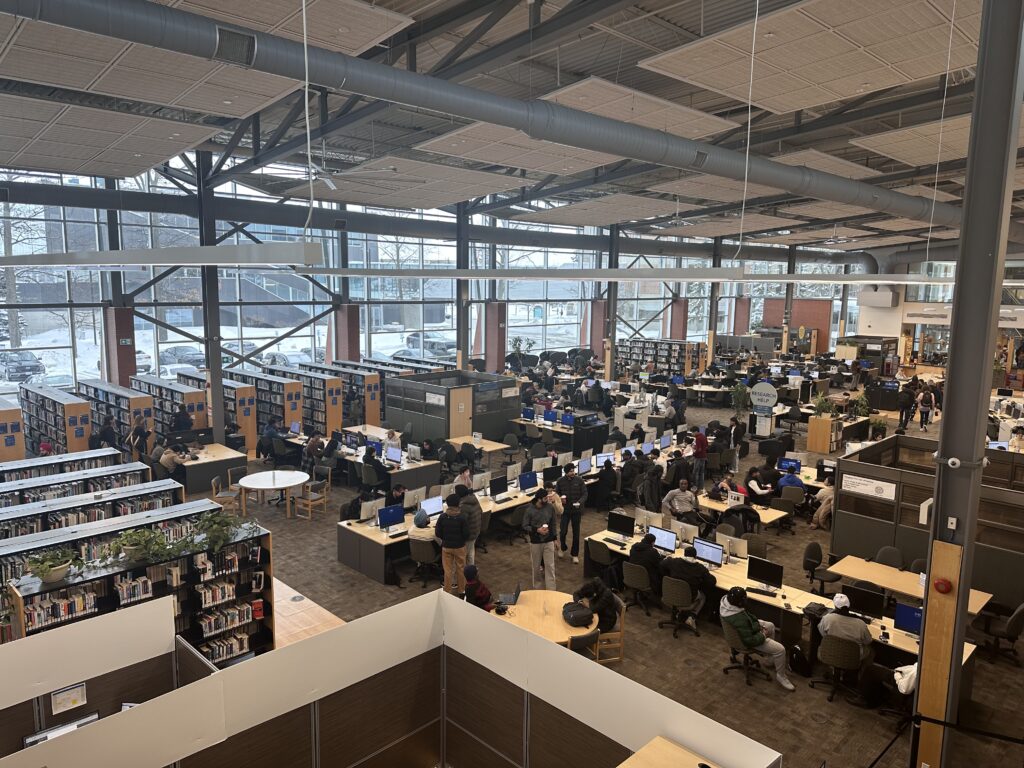
- Hands-on Learning Spaces: Access to simulation labs, interview training spaces, and fitness facilities to develop relevant skills.
- Networking Opportunities: Students can connect with community agencies through lectures, facility tours, and experiential learning activities.
Career Options
Graduates of the Community and Justice Services program have a wide range of career opportunities available to them in Canada. Some potential job roles include:
- Correctional Officer: Work in federal or provincial correctional institutions, overseeing the safety and rehabilitation of offenders.
- Youth Worker: Engage with at-risk youth in community settings, providing support and guidance to help them navigate challenges.
- Community Outreach Worker: Collaborate with community organizations to provide services and support to individuals in need.
- Victim Support Specialist: Assist victims of crime by providing emotional support and resources to help them recover.
- Rehabilitation Counselor: Work with individuals to develop treatment plans and support their reintegration into society after incarceration.
These roles require a strong understanding of the justice system, effective communication skills, and a commitment to making a positive impact in the community.
DISCLAIMER: The information above is subject to change. For the latest updates, please contact LOA Portal's advisors.
Visit Georgian College official website