Last updated on 2026-02-09



Program Overview
The 911 and Public Safety Communications program at Fanshawe College is designed to equip students with the essential knowledge and specialized skills necessary to excel as 911 dispatchers. This one-year program emphasizes the importance of providing a calm and reassuring presence during crises, serving as a crucial link between the public and emergency services such as police, fire, and paramedics. Students will gain a comprehensive understanding of emergency communications, preparing them for the demanding and unpredictable nature of public safety communications.
Program Structure
This program is structured to be completed in a 36-week timeframe, providing a focused and intensive learning experience. The curriculum is designed to align with current industry standards and includes:
- Hands-on training in crisis communications and incident management.
- Utilization of state-of-the-art Intergraph® Computer-Aided Dispatch (CAD) software.
- A six-week field placement in the spring semester to apply learned skills in real-world settings.
Students are required to complete Workplace Hazardous Materials Information System (WHMIS) certification before starting their field placement. Additionally, a keyboarding competency of 40 words per minute is recommended for successful completion of the program.
Featured Experiences
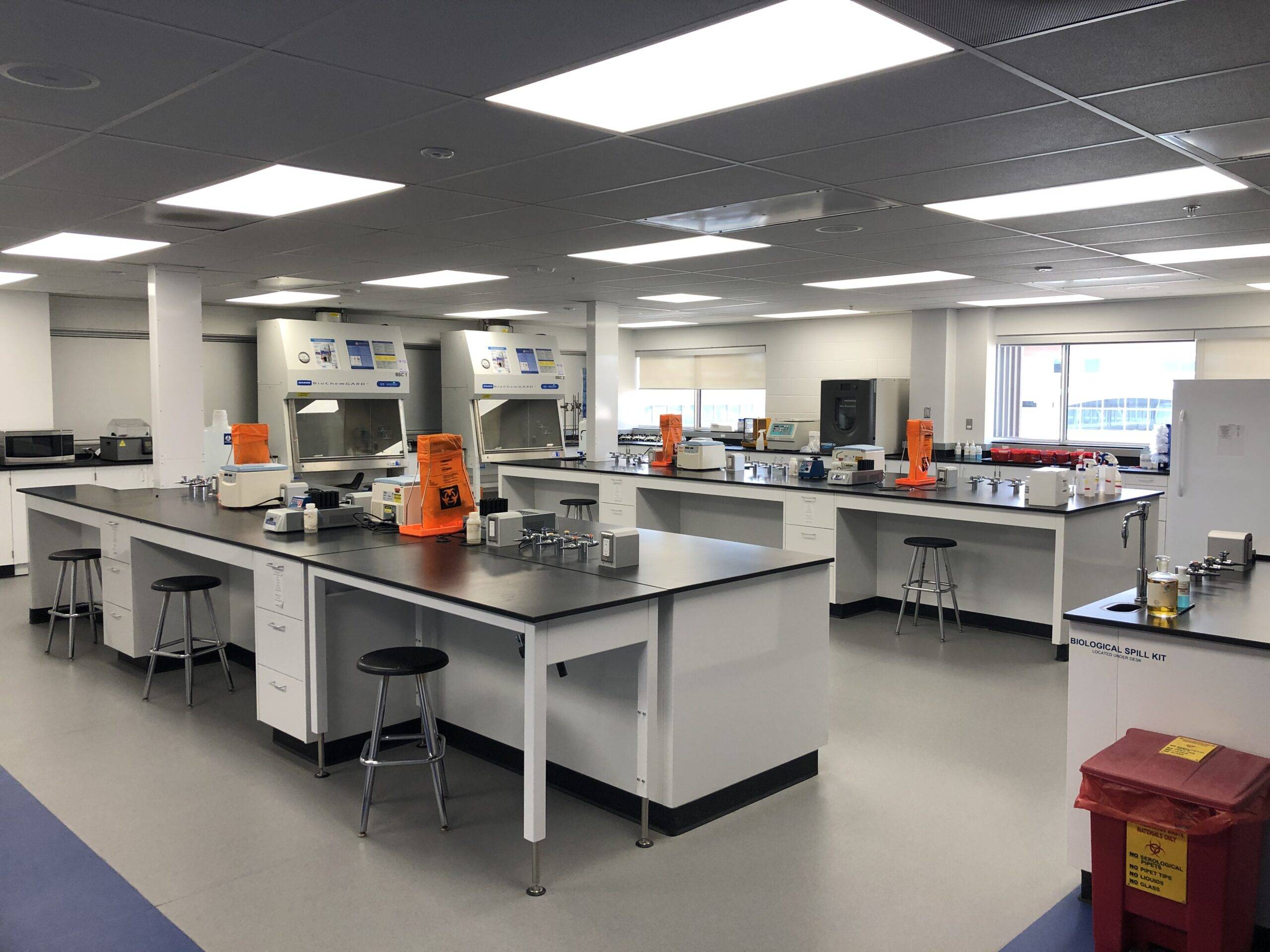
- Hands-on training in a realistic emergency telecommunications lab.
- Opportunity to participate in an annual emergency preparedness exercise simulating real emergencies.
- Field placement with local public safety agencies to gain practical experience.
- Access to experienced instructors with professional backgrounds in emergency services.
Career Options
- Police Communications Operator: Responsible for receiving and responding to emergency and non-emergency calls, deploying police services as needed.
- Fire Communications Operator: Handles emergency calls related to fire services, ensuring timely response and coordination.
- Ambulance Communications Operator: Manages calls for medical emergencies, dispatching appropriate medical services.
- Security Operator: Monitors security systems and provides communication services to ensure safety in various environments.
- Logistics Operator: Plans and coordinates communications for transportation services, including trucking and towing.
- Army Communication and Information Systems: Provides reliable communication systems for military operations using advanced technology.
DISCLAIMER: The information above is subject to change. For the latest updates, please contact LOA Portal's advisors.
Visit Fanshawe College official website