Last updated on 2026-04-15



Program Overview
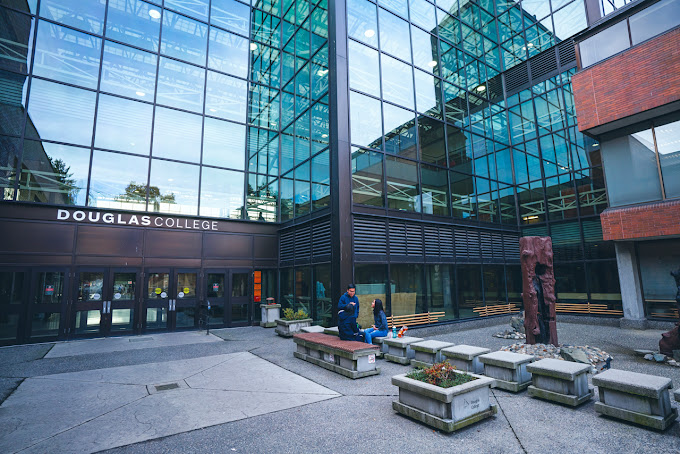
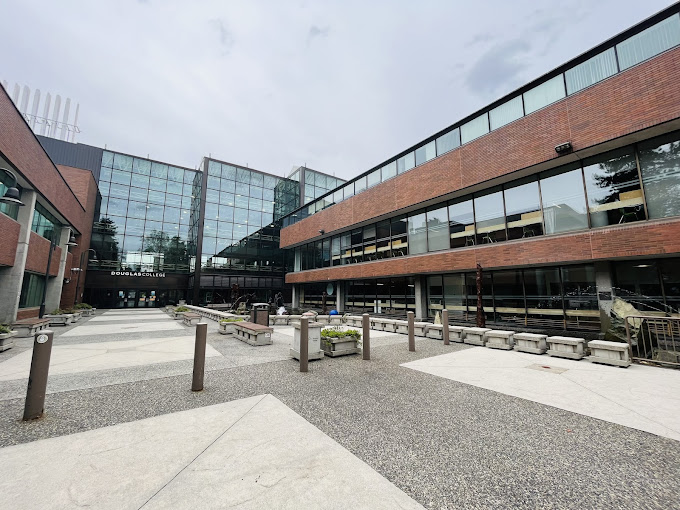
The Future Professional Pilots program at Douglas College is designed to prepare students for a successful career in the aviation industry. This Associate Degree program combines academic instruction with practical flight training, allowing students to gain the necessary skills and knowledge to excel as professional pilots. The curriculum includes university-transferable courses relevant to aviation, such as geography, psychology, and business. Students will also receive ground and flying instruction through a partnership with the Professional Flight Centre, ensuring they are well-equipped to obtain their Commercial Pilot License and Multi-Engine Instrument Rating.
Program Structure
The Future Professional Pilots program is structured over a duration of four semesters. Key features of the program include:
- Jointly offered with the Professional Flight Centre, providing both academic and practical flight training.
- Completion of 60 University Transfer credits required for graduation.
- Students must maintain a minimum program GPA of 2.00.
- 50% of coursework must be completed at Douglas College.
- Time limit to complete graduation requirements is seven years.
This program emphasizes strategic course selection based on students' intended transfer destinations and majors, ensuring they are well-prepared for their future careers.
Featured Experiences
The Future Professional Pilots program offers several unique experiences that enhance the learning process:
- Hands-on flight training at the Professional Flight Centre, allowing students to gain practical flying experience.
- Opportunities to engage in discussions with professional pilots and flight instructors.
- Access to courses that are specifically tailored to the aviation industry, including climate, psychology, and business.
- Joint program structure that combines academic learning with real-world flight training.
Career Options
Graduates of the Future Professional Pilots program can pursue various career paths in the aviation industry, including:
- Commercial Pilot: Operate aircraft for airlines, charter services, or cargo transport, requiring a Commercial Pilot License.
- Flight Instructor: Teach aspiring pilots the skills needed to fly, often requiring additional certifications.
- Aviation Manager: Oversee operations at airports or flight schools, ensuring compliance with regulations and efficient management.
- Air Traffic Controller: Manage the safe and orderly flow of air traffic in the skies and at airports.
- Corporate Pilot: Fly company executives and employees on private jets, often requiring flexibility and discretion.
These career options highlight the diverse opportunities available to graduates, making the Future Professional Pilots program a valuable investment in their future.
DISCLAIMER: The information above is subject to change. For the latest updates, please contact LOA Portal's advisors.
Visit Douglas College official website